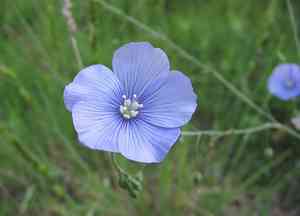
Beautiful flax (Linum narbonense)
Also known as: Heavenly blue flax, Blue flax
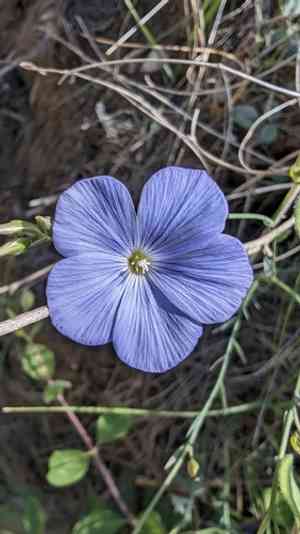
The "Beautiful Flax" (Linum narbonense) is a highly prized ornamental variety, celebrated for its striking blue flowers. This resilient plant flourishes in various well-drained soils and boasts excellent drought tolerance. It's an ideal choice for enhancing garden beds, borders, patios, and containers.
In This Article
Attributes of Beautiful flax
Lifespan
Perennial
Plant Type
Herb
Plant Height
30 cm to 76 cm
Spread
30 cm
Leaf Color
Green
Flower Size
2.5 cm
Flower Color
Blue
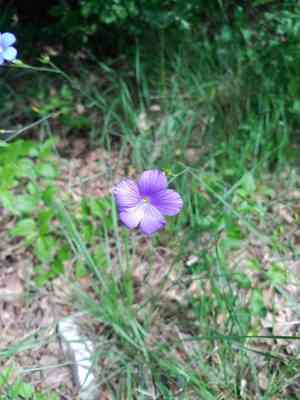
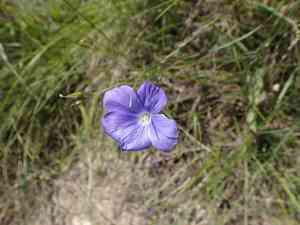
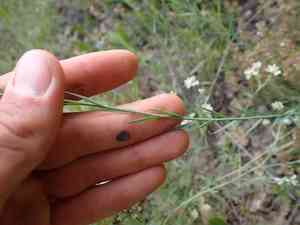
Images of Beautiful flax
Quickly Identify Beautiful flax
1
Linum narbonense can be identified by its slender, upright stems, thin lanceolate leaves, and its striking blue flowers that have five petals each, forming a star-like shape.
Scientific Classification of Beautiful flax
Phylum
Vascular plants
Class
Dicotyledons
Order
Malpighiales
Family
Flax
Genus
Flaxes
Species
Beautiful flax
Planting and Growing of Beautiful flax
Care Difficulty
Easy
Watering Schedule
Every 2 days
Sunlight Requirements
Full sun
Sunshine Duration
4-8 hours
Ideal Temperature
60-70℉
Soil Type
Potting Mix, Peat Mix
Soil pH
6.5-7.5
Fertilizer Type
Balanced
Pruning Season
Spring, Summer
Pruning Area
Branches, Leaves
Pruning Frequency
Once a year
Repotting Season
Spring
Pot Type
Plastic, Ceramic
 How to Water Beautiful flax?
When watering Linum narbonense, aim to deliver about 250 milliliters of water, making sure the soil is moist but never waterlogged. This plant prefers well-drained soil conditions, so avoid over-saturating its roots which can lead to poor drainage issues.
What are the symptoms of an underwatered Beautiful flax?
›
What should I do if my Beautiful flax is not getting enough water?
›
What are the symptoms of an overwatered Beautiful flax?
›
How to save an overwatered Beautiful flax?
›
 What Are the Sunlight Requirements for Beautiful flax?
Linum narbonense thrives best under full sun, ideally receiving 6 to 8 hours of direct sunlight. This level of exposure encourages robust growth and ensures a healthy flowering cycle, aligning well with the plant's natural requirements.
What is the best type of light for Linum narbonense?
›
How can I achieve ideal lighting conditions for Linum narbonense?
›
What are the benefits of providing ideal lighting to Linum narbonense?
›
 What Is the Ideal Temperature Range for Beautiful flax?
The ideal temperature range for Linum narbonense is between 60°F and 70°F. This range ensures optimal growth and flowering conditions. Such temperatures typically mimic the natural habitat of this plant, providing warmth without excessive heat. Maintaining these conditions is important for ensuring that the plant remains healthy, thrives in its environment, and produces vibrant blooms.
 What Soil is Best for Beautiful flax?
Linum narbonense thrives best in well-drained soil, preventing waterlogging, which can cause root rot. It allows the roots to breathe and absorb nutrients efficiently, promoting robust growth and vibrant blooms. This plant favors nutrient-rich soil, ensuring a steady supply of essential minerals and organic matter. This supports sustained growth, lush foliage, and a higher bloom yield, enhancing ornamental appeal. While good drainage is crucial, Linum narbonense also benefits from soil that retains moderate moisture, ensuring consistent hydration without over-saturation, fostering resilience in dry spells.
 How to Fertilize Beautiful flax?
For Linum narbonense, apply about 5-10 grams of balanced 10-10-10 liquid fertilizer per square foot every month during its growing season. This ensures that the plant receives the right nutrients needed for optimal growth and flowering without overwhelming it.
 How to Prune Beautiful flax?
Begin pruning Linum narbonense in early spring as new growth starts to appear. This timing ensures that the plant channels its energy towards producing robust foliage and beautiful flowers. Continue light pruning through early summer to remove spent blooms and encourage more flowering cycles. Begin by using clean and sharp pruning shears to make smooth cuts without damaging the stems. Trim back about a third of the growth to maintain the plant's shape and size. Be sure to remove any dead or diseased stems entirely to prevent the spread of illness. Focus on cutting just above a leaf node to enhance bushiness.
More About Pruning Techniques→
 How to Propagate Beautiful flax plant?
1
Collect mature seeds from the Linum narbonense and prepare them by soaking them in water for 24 hours. This improves germination rates by softening the seed coat.
2
Select healthy stems for cuttings, ideally non-flowering shoots. Cut 4-6 inch lengths below a node, remove lower leaves, and dip in rooting hormone to enhance root development.
3
Dig up the parent plant in early spring and gently separate clumps without damaging root systems. Replant the divisions in well-prepared soil to establish new plants.
 How to Repot Beautiful flax plant?
1
Linum narbonense typically signals the need for repotting when its roots start to emerge from the drainage holes, or when it appears to be outgrowing its current pot. Spring is an ideal season for repotting, as the plant is entering its active growth phase, allowing it to quickly establish itself in new soil.
2
Select a pot that is 1-2 inches larger in diameter than the current one. Ensure it has adequate drainage holes to prevent waterlogging. A ceramic or clay pot can help wick moisture from the soil, providing a balanced environment for this plant, which thrives in well-draining conditions.
3
Opt for a well-draining potting mix, ideally combined with sand or perlite to facilitate movement of water through the soil. This prevents root rot and ensures the plant's roots have the necessary oxygen levels, promoting a healthy growth environment.
Learn More About Beautiful flax Diseases
Anthracnose
Bacterial Leaf Spot
Bacterial Soft Rot
Bacterial Wilt
Black Spot
Chemical Injury
Crown Gall
Cyst Nematode
Damping-off
Downy Mildew
Drought Stress
Fusarium Wilt
Gray Mold
Leaf Curl
Leaf Spot
Mosaic
Nutrient Deficiency
Nutrient Toxicity
Powdery Mildew
Root Rot
Root-knot Nematode
Rusts
Sooty Mold
Spider Mites
Temperature Stress
Thrips Damage
White Mold



