The Beautiful flax Plant Advantage: Maximizing Home and Office Appeal and Wellness
1
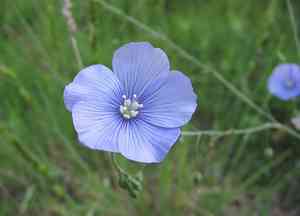
This botanical specimen is recognized for its striking azure blooms that draw in beneficial insects.
2
It requires minimal upkeep and flourishes in diverse ground types.
3
Provides advantages like preventing soil erosion and enhancing garden aesthetics.
What Makes Beautiful Flax Special?
Striking Visual Appeal
Beautiful flax is known for its vibrant blue blooms that add a burst of color to any garden. These flowers create a lively focal point, enhancing the garden's visual charm. Furthermore, the plant's graceful form contributes to a balanced garden design.
Attracting Beneficial Insects
A key advantage of Beautiful flax is its capacity to draw in pollinators like bees and butterflies. The bright blue blossoms offer a vital nectar source, supporting the local ecosystem and boosting biodiversity in your garden.
Ecological Advantages of Beautiful Flax
Soil Stability
The root system of Beautiful flax is highly effective at stabilizing soil, making it an excellent choice for preventing erosion. This is especially useful in gardens with sloped terrain, where maintaining soil is often a challenge.
Drought Tolerance
Beautiful flax exhibits remarkable resilience in arid conditions, making it an ideal plant for areas prone to dry spells. Its drought-resistant nature means it needs minimal water, promoting sustainability and conserving water resources.
Integrating Beautiful Flax into Your Garden
Optimal Growing Conditions
Beautiful flax thrives best in well-drained soil with ample sunlight. It's a adaptable plant that can adjust to various soil types, making it suitable for diverse gardening environments. Consistent watering during initial growth encourages healthy establishment.
Companion Planting Strategies
When planning your garden layout, consider pairing Beautiful flax with other plants. This plant complements other low-maintenance annuals and perennials, creating a harmonious and balanced garden space. Popular companions include lavender and rockrose, which have similar care needs.
Gardening Advice for Beautiful Flax
Propagation Techniques
Beautiful flax can be propagated using seeds or cuttings. For seed propagation, sow seeds directly in the garden after the last frost. Cuttings should be taken in late spring or early summer and planted in a soil and sand mixture for better root development.
Pest and Disease Management
While Beautiful flax is generally pest-resistant, it can occasionally attract aphids. Regular inspection and the use of natural predators or insecticidal soap can control infestations. Fungal diseases are uncommon but can be managed with proper watering and ensuring good air circulation around the plants.
Seasonal Care for Beautiful Flax
Spring and Summer Maintenance
During the active growth period, ensure Beautiful flax receives sufficient water, especially if the weather is particularly dry. Applying mulch around the plant's base helps retain soil moisture and reduce weed growth.
Fall and Winter Preparation
As the growing season concludes, prune any dead or damaged stems to encourage new growth in the spring. Mulch can also be applied in the fall to protect the root system from harsh winter conditions.



