How to Prune Quill-leaf lewisia?
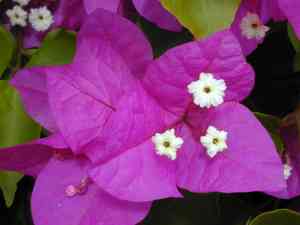
Recognized for its vivid, succulent foliage and bright blossoms, quill-leaf lewisia flourishes with judicious yet infrequent trimming. To preserve its vitality and form, perform pruning in late winter or early spring prior to the emergence of new shoots. Eliminate withered or compromised leaves and faded flower stalks, severing them at their base. Consistent trimming improves air movement and lowers the likelihood of disease, guaranteeing a sturdy and attractive specimen.
What Are the Benefits of Pruning Quill-leaf Lewisia?
What Are the Benefits of Pruning Quill-leaf Lewisia?
Quill-leaf lewisia thrives with trimming, which encourages robust development and maintains an appealing form. Pruning helps manage its size, eliminates dead or diseased tissue, and fosters healthier foliage and blooms. Regular trimming lowers the chance of pests and illnesses, ensuring a strong plant.
What Is the Best Time for Pruning Quill-leaf Lewisia?
What Is the Best Time for Pruning Quill-leaf Lewisia?
Trimming quill-leaf lewisia in late winter and early spring is optimal as it precedes the active growth period. By pruning before new growth starts, gardeners can remove any dead or compromised stems without impeding the plant's natural development cycle, ensuring vigorous health and abundant flowering in the subsequent season. Furthermore, this timing minimizes the risk of disease and pest infestations that can arise from pruning wounds during wetter months.
What Tools Do I Need to Prune Quill-leaf Lewisia?
Bypass Pruners
Employ bypass pruners for precise, clean cuts on small stems and leaves of quill-leaf lewisia. This minimizes plant damage.
Fine-Point Scissors
These are perfect for snipping off dead or damaged leaves and for shaping quill-leaf lewisia, allowing for detailed and delicate work.
Hand Pruners
Crucial for cutting thicker stems or branches of quill-leaf lewisia. They offer greater leverage and cutting power.
Sterilizing Solution
Essential for cleaning tools before and after use on quill-leaf lewisia to prevent disease transmission. Use a mixture of water and rubbing alcohol.
How to Prune Quill-leaf Lewisia
Assessment
Thoroughly inspect the plant to identify and locate any diseased or withered leaves that require trimming. Mark these areas if necessary.
Tools
Prepare clean, sharp pruning shears to ensure precise cuts and reduce the likelihood of spreading diseases.
Diseased leaves
Gently remove the diseased leaves by cutting them at the base of their attachment to the plant. Ensure you do not harm healthy parts of the plant.
Withered leaves
Trim the withered leaves by cutting them where they are attached. Be careful not to disturb new growth or healthy foliage.
Cleanup
Dispose of the pruned leaves away from the garden to prevent potential disease spread. Clean your pruning tools with a disinfectant after use.
Common Pruning Mistakes with Quill-leaf Lewisia
Pruning too much
Removing an excessive amount of foliage at once can weaken quill-leaf lewisia, making it more vulnerable to stress and disease.
Incorrect cuts
Making improper cuts, such as cutting too close to the base or leaving overly long stubs, can harm the plant and impede its healing ability.
Ignoring dead leaves
Failing to remove dead or damaged leaves can encourage disease and pest infestations.
Using dirty tools
Pruning with uncleaned tools can introduce pathogens to quill-leaf lewisia, increasing the risk of infection.
Common Pruning Tips for Quill-leaf Lewisia
Use sharp, clean tools
Ensure your pruning shears are sharp and sanitized to make clean cuts and minimize the risk of disease.
Remove dead or damaged leaves
Regularly remove any dead or damaged leaves to promote air circulation and reduce the risk of disease.
Prune selectively
Focus on removing only the parts of quill-leaf lewisia that are necessary for shaping or health maintenance, avoiding excessive pruning.
Cut above a leaf node
Make cuts just above a leaf node or where a leaf meets the stem to encourage new growth and prevent dieback.



