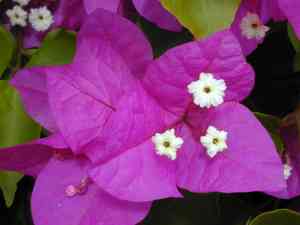
Quill-leaf lewisia (Lewisia leeana)
Also known as: Quill-leaved lewisia
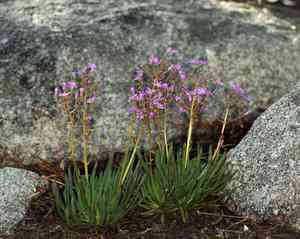
This perennial herb emerges from a narrow, woody taproot that connects to several caudices. It forms a basal rosette comprised of numerous fleshy, flat to cylindrical leaves that are blunt-tipped and can grow up to 4 cm in length.
In This Article
Attributes of Quill-leaf lewisia
Lifespan
Perennial
Plant Height
Typically ranges from 10 to 25 cm
Spread
Approximately 15 to 30 cm
Leaf Color
Green
Flower Size
Around 2 to 5 cm
Flower Color
Pink, Purple, occasionally White
Images of Quill-leaf lewisia
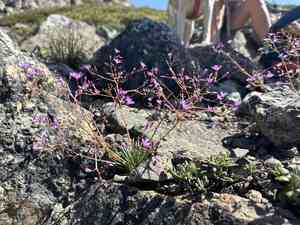
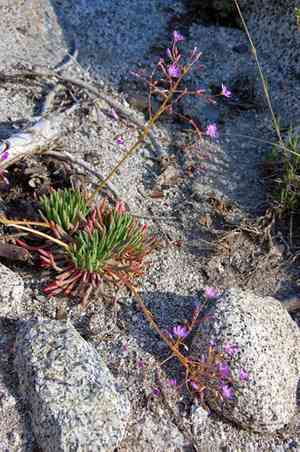
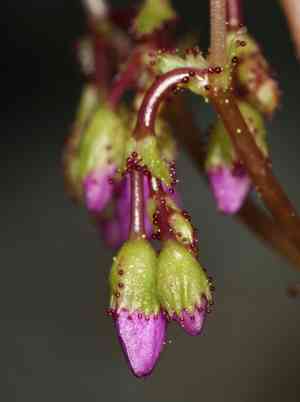
Quickly Identify Quill-leaf lewisia
1
Lewisia leeana can be identified by its fleshy, spoon-shaped leaves arranged in a basal rosette and its striking, star-shaped flowers that range in color from pink to purple. The plant typically grows in rocky or well-drained soil.
Scientific Classification of Quill-leaf lewisia
Phylum
Vascular plants
Class
Dicotyledons
Order
Caryophyllales
Family
Pussypaw
Genus
Lewisia
Species
Quill-leaf lewisia
Planting and Growing of Quill-leaf lewisia
Care Difficulty
Moderate
Watering Schedule
Every 2 days
Sunlight Requirements
Full sun
Sunshine Duration
6-12 hours
Ideal Temperature
60-70℉
Soil Type
Potting Mix, Peat Mix
Soil pH
6.5-7.5
Fertilizer Type
Balanced
Pruning Season
Spring, Summer
Pruning Area
Branches, Leaves
Pruning Frequency
2 times a year
Repotting Season
Spring
Pot Type
Plastic, Ceramic
 How to Water Quill-leaf lewisia?
Lewisia leeana prefers its soil to be lightly moist but not saturated. The key is to water it thoroughly until the soil is damp throughout. Ensure that excess water drains out completely to avoid waterlogging, which this plant is sensitive to due to its native habitat in rocky, well-drained environments.
What are the symptoms of an underwatered Quill-leaf lewisia?
›
What should I do if my Quill-leaf lewisia is not getting enough water?
›
What are the symptoms of an overwatered Quill-leaf lewisia?
›
How to save an overwatered Quill-leaf lewisia?
›
 What Are the Sunlight Requirements for Quill-leaf lewisia?
Lewisia leeana thrives best with partial sun exposure. Ideal lighting encourages full blooms and sturdy growth, enhancing the plant's visual appeal and resistance to stressors.
How much sun does Lewisia leeana need?
›
What are the solutions for providing ideal light?
›
What are the benefits of ideal lighting?
›
 What Is the Ideal Temperature Range for Quill-leaf lewisia?
The ideal temperature range for Lewisia leeana is between 60°F and 70°F. Within this temperature range, the plant can maintain optimal physiological processes, ensuring healthy growth and vibrant blooms. It is crucial to maintain these temperatures consistently to prevent any stress that might affect the plant's overall health.
 What Soil is Best for Quill-leaf lewisia?
Lewisia leeana thrives in well-draining soil to prevent root rot. A soil mixture that ensures quick drainage keeps the roots healthy by avoiding waterlogged conditions, significantly enhancing plant vigor. This plant benefits from soil with moderate nutrient content. Such soil supports balanced growth by providing essential nutrients without overwhelming the plant, ensuring vibrant foliage and sturdy stems. A soil pH between 6.5 to 7.5 is ideal for Lewisia leeana. Maintaining this pH range helps optimize nutrient uptake, ensuring the plant receives the full spectrum of essential nutrients for robust growth.
 How to Fertilize Quill-leaf lewisia?
For Lewisia leeana, using a balanced 10-10-10 liquid fertilizer at a quarter strength is recommended. Apply about 100 ml of diluted solution per plant during the growing season to avoid over-fertilization.
 How to Prune Quill-leaf lewisia?
Begin by inspecting the plant and removing any dead leaves or stems at their base. Using sharp, clean scissors or shears, cut back any spent flower stalks close to the plant's base after blooming to encourage new growth. Be careful not to cut into the crown of the plant as this can damage it. Prune leggy growth appropriately to maintain the plant's dense and tidy form. Always ensure your tools are disinfected to prevent disease transmission.
More About Pruning Techniques→
 How to Propagate Quill-leaf lewisia plant?
1
Fill a seed tray with a well-draining potting mix. Lightly mist the mix to ensure it's moist but not soggy. This aids in the successful germination of Lewisia leeana seeds.
2
Select healthy stems from the parent plant and use a sharp knife to make a clean cut. The cut should be well above a leaf node to encourage rooting. Remove any leaves from the lower part of the cutting.
3
Gently dig up the parent plant and shake off excess soil. Carefully separate the plant into smaller sections, each with a healthy root system. Replant each section immediately to reduce stress on the plant.
 How to Repot Quill-leaf lewisia plant?
1
Repotting Lewisia leeana is best done when the plant shows signs of outgrowing its current pot. Look for roots emerging from the drainage holes or when the soil dries out faster than usual. These are clear indicators that it’s time for a roomier home.
2
Select a pot that is slightly larger than the current one, with good drainage holes. Terracotta pots can be advantageous as they absorb excess moisture, preventing root rot, a common concern with succulents like Lewisia leeana.
3
Opt for a well-draining soil with a gritty texture that mimics the plant's natural alpine habitat. A mix containing sand, perlite, and peat moss is ideal, ensuring both nutrients and adequate drainage.



