How to Propagate Quill-leaf lewisia?
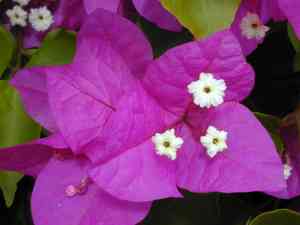
Reproducing quill-leaf lewisia, a resilient succulent originating from craggy alpine areas, entails planting seeds in a substrate that drains effectively. Confirm that the seeds are lightly veiled with earth and sustained in a damp, yet not saturated, state. To achieve peak germination, uphold a cool atmosphere, replicating the conditions of its natural environment. Perseverance is crucial, given that sprouting may be protracted. Adequate illumination during the initial phases of development encourages robust young plants.
When Is the Best Time To Propagate Quill-leaf Lewisia?
Propagation Type
Sowing
Propagation Season
Spring
What Tools Are Used in Quill-leaf Lewisia Propagation?
Seed Trays
Seed trays offer a controlled setting for planting quill-leaf lewisia seeds. They ensure uniform spacing and create optimal conditions for initial sprouting, which is vital for tender seedlings.
Propagation Mix
A specialized propagation medium is crucial for sowing quill-leaf lewisia. This blend typically contains fine components that encourage good drainage and aeration, preventing root rot and fostering robust root growth.
Humidity Dome
A humidity dome helps maintain elevated humidity levels, which benefits the germination of quill-leaf lewisia seedlings. It prevents seeds from drying out and ensures consistent moisture.
Heated Propagation Mat
To assist the germination process, a heated propagation mat provides steady bottom warmth. This is particularly useful for quill-leaf lewisia, which may need a constant temperature to encourage sprouting.
Misting Bottle
A misting bottle is essential for gently moistening quill-leaf lewisia seeds without disturbing the soil. This helps maintain the delicate balance required for successful germination.
Labels and Markers
Proper labeling with plant-specific markers helps track different seed varieties and planting dates. This is especially important for managing multiple quill-leaf lewisia plants and evaluating their growth over time.
Sterile Scalpel
A sterile scalpel might be necessary to carefully handle and separate delicate quill-leaf lewisia seedlings during the pricking out process, reducing the risk of harming the young plants.
Fertilizer
A balanced, diluted fertilizer supports the growth of quill-leaf lewisia once seedlings have developed their first true leaves. This supplies essential nutrients that contribute to strong plant development.
How to Propagate Quill-leaf Lewisia?
Propagation Type
Easy
How to Care for Your Newly Propagated Quill-leaf Lewisia?
How to Care for Your Newly Propagated Quill-leaf Lewisia?
Once established, quill-leaf lewisia thrives in a sunny location with well-draining soil. Water sparingly, as quill-leaf lewisia is prone to root rot if overwatered. Ensure good air circulation around the plants to prevent fungal diseases. Apply a balanced, diluted fertilizer during the growing season to promote vigorous growth and flowering. Regularly check for pests and remove any debris around the base to maintain plant health.
Common Mistakes to Avoid When Propagating Quill-leaf Lewisia
Overwatering
Excessive watering can lead to root rot, a frequent problem for quill-leaf lewisia as it prefers well-drained soil. Prolonged moisture around the roots can cause the plant to decline.
Using Improper Soil
Employing soil that retains too much moisture or lacks adequate drainage can impede root formation and cause fungal issues. Quill-leaf lewisia requires a gritty, fast-draining mix.
Inadequate Light
Insufficient light can hinder the proper development of quill-leaf lewisia cuttings. Without enough light, the plant may become weak and elongated.
Incorrect Cutting Technique
Taking cuttings that are either too large or too small can impact success. Cuttings need to be the appropriate size and health to encourage rooting.
Ignoring Humidity Needs
Failing to provide suitable humidity levels can dry out cuttings before they establish roots. Quill-leaf lewisia requires a balanced environment, neither too dry nor too humid.
Over-fertilization
Applying too much fertilizer can burn the delicate roots of quill-leaf lewisia, especially during propagation. The plant's young roots are sensitive and require a low-nutrient setup initially.
Tips For Propagating Quill-leaf Lewisia
Optimal Soil Mix
Utilize a well-draining mix, such as a blend of coarse sand, perlite, and potting soil, to prevent water retention and support healthy root growth.
Drainage Preparation
Ensure that pots or trays used for propagation have ample drainage holes. This prevents waterlogging and promotes healthy root development.
Correct Moisture Levels
Maintain a moderate watering schedule, keeping the soil slightly moist but not saturated. Allow the top layer of soil to dry out between waterings.
Proper Light Exposure
Place cuttings in a bright, indirect light setting. Avoid direct sunlight, which can scorch young plants, but ensure they receive sufficient light for photosynthesis.
Humidity Control
Mimic a naturally humid environment by using a humidity dome or misting the cuttings regularly. This helps prevent dehydration while roots are developing.
Sharp Tools
Use clean, sharp scissors or a knife to make precise cuts. This minimizes damage and reduces the risk of disease or infection entering through jagged edges.
Rooting Hormone
Apply a rooting hormone to the cut ends before planting. This encourages quicker and more reliable root development.



