How to Prune Argentine cress?
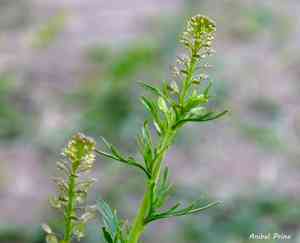
To preserve the vitality and robustness of argentine cress, perform pruning in the spring to encourage fresh development. Throughout the summer and autumn, remove faded blooms and reduce superfluous leaves to enhance air movement. Appropriate trimming fosters a dense, bushy structure, averting typical problems such as mildew. Refrain from making extensive cuts to guarantee argentine cress recovers effectively, concentrating on eliminating lifeless or frail stalks. Yearly pruning can boost argentine cress's output and elevate its aesthetic appeal, guaranteeing a strong presentation annually.
Advantages of Trimming Argentine Cress
Advantages of Trimming Argentine Cress
Trimming argentine cress promotes more robust development by reallocating energy to fresh, healthy growth. It also helps preserve the plant's form for visual appeal and a neat garden look.
Optimal Time for Pruning Argentine Cress
Optimal Time for Pruning Argentine Cress
Pruning argentine cress in spring coincides with the start of its growth period, fostering strong development and shaping the plant before it invests energy in new leaves. Early summer is ideal for light trimming to maintain shape and encourage branching, as the plant is still actively growing. Late fall pruning is best for removing any dead or diseased parts after flowering and fruiting, helping prevent pests and diseases from overwintering. Pruning during these times ensures the health and vitality of argentine cress, considering its growth cycle and seasonal reactions.
Tools Required for Pruning Argentine Cress
Bypass Pruners
For precise cuts and minimal harm to argentine cress stems, bypass pruners are perfect. Their scissor-like action allows for clean cuts, encouraging healthier regrowth.
Gardening Shears
For shaping and thinning argentine cress, sharp gardening shears can efficiently handle multiple stems simultaneously. This tool is excellent for accurately snipping soft stems and foliage.
Pruning Snips
These are crucial for deadheading argentine cress and can easily reach confined areas due to their compact size. Their sharp, pointed blades are perfect for detailed work on this plant.
Pruning Saw
If argentine cress has developed woody stems, a pruning saw might be needed to cut through tougher material without creating jagged edges or undue stress on the plant.
How to Prune Argentine Cress
Identify withered
Start by closely inspecting argentine cress to find withered leaves. These leaves are typically dry, discolored, and may be crinkled or drooping compared to the plant's healthy green foliage. Mark or remember the specific leaves to remove to avoid accidentally cutting healthy parts during pruning.
Sanitize tools
Before starting to prune, clean and sanitize your garden shears or scissors to prevent spreading diseases and pests to argentine cress. You can use a solution of one part bleach to nine parts water to sterilize the tools, or rubbing alcohol. Ensure the blades are sharp for clean cuts, as jagged cuts can make argentine cress more vulnerable to disease.
Trim withered
Carefully trim the identified withered leaves from argentine cress by cutting at the base where the leaf stem meets the main stem or branch. Be careful not to harm the healthy parts of the plant. Removing these withered leaves will improve air circulation and may enhance the overall growth and appearance of argentine cress.
Dispose withered
After removing withered leaves from argentine cress, dispose of them responsibly by placing them in a compost bin or garbage bag. Do not leave trimmed leaves on the ground around argentine cress as they can harbor diseases or pests that could harm the plant later.
Monitor plant health
After pruning, continue to regularly observe argentine cress for any signs of stress, disease, or further wilting. Prompt removal of withered leaves as they appear helps maintain plant vigor and health. Note how the plant responds to pruning and adjust your care routine accordingly to ensure optimal growth for argentine cress.
Common Pruning Errors with Argentine Cress
Overpruning
Removing too much foliage from argentine cress at once can shock the plant, making it more susceptible to diseases or stunted growth.
Uneven cuts
Poor cutting techniques that result in jagged or torn limbs can create open wounds on argentine cress, leading to potential infections.
Neglecting tool hygiene
Using dirty pruning tools can spread diseases between plants, especially harmful for argentine cress if previously used on infected specimens.
Ignoring plant shape
Pruning without considering the natural growth pattern of argentine cress can result in an unnatural appearance and hinder its development.
Pruning too early
Although the best season isn't to be mentioned, pruning argentine cress before it has matured enough can impede its growth and ability to flower.
General Pruning Advice for Argentine Cress
Sharp tools
Always use sharp, sterilized pruning shears to make clean cuts on argentine cress, which helps the plant heal faster and reduces disease risk.
Gradual pruning
Remove small amounts of growth over time rather than all at once to avoid overwhelming argentine cress and to observe the plant's reaction.
Follow branch angles
Prune argentine cress just above a leaf node and at a 45-degree angle to encourage water runoff and new growth.
Consider plant health
Focus on removing dead or diseased foliage first to improve the overall health and appearance of argentine cress.
Consistency
Perform regular maintenance pruning on argentine cress instead of waiting for overgrowth, which maintains plant shape and vigor.



