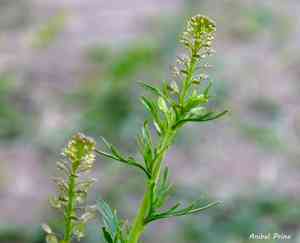
Argentine cress (Lepidium bonariense)
Also known as: Peppergrass, Pepperweed
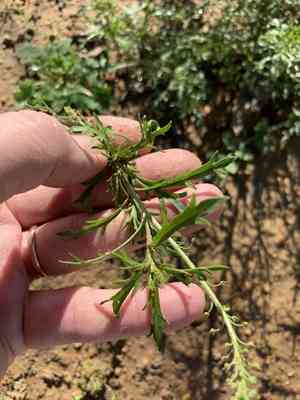
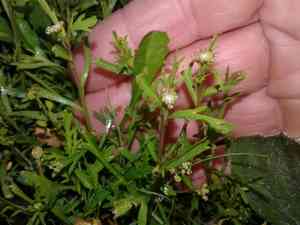
The plant can be an annual or perennial, herbaceous in nature, with either single or multiple stems. It has a nearly hairless appearance and a well-defined, somewhat thickened taproot. The stems, which can grow to a height of 20 to 70 cm, are upright, branched at the upper sections, and covered with fine hairs. The basal leaves are petiolate and deeply divided with lanceolate segments, while the leaves along the stem become progressively less divided higher up. The uppermost leaves are either lobed or deeply cut.
In This Article
Attributes of Argentine cress
Lifespan
Annual, Biennial
Plant Type
Herb
Plant Height
15 cm to 60 cm
Spread
0.3 to 0.6 meters
Leaf Color
Green
Flower Size
3 mm
Flower Color
White
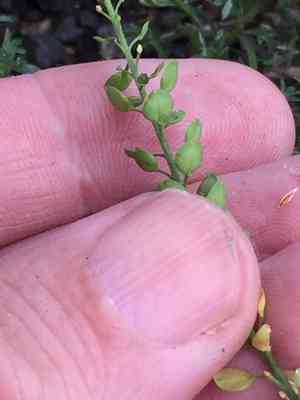
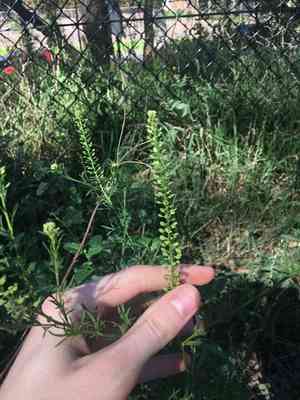
Images of Argentine cress
Quickly Identify Argentine cress
1
This plant can be identified by its small, clustered white or pinkish flowers, elongated seed pods, and peppery taste. The leaves are typically lance-shaped, and the plant has a branching, herbaceous structure.
Scientific Classification of Argentine cress
Phylum
Vascular plants
Class
Dicotyledons
Order
Brassicales
Family
Cruciferae
Genus
Peppercresses
Species
Argentine cress
Planting and Growing of Argentine cress
Care Difficulty
Easy
Watering Schedule
Every 2 days
Sunlight Requirements
Full sun
Sunshine Duration
6-10 hours
Ideal Temperature
68-77℉
Soil Type
Potting Mix, Peat Mix
Soil pH
6.5-7.5
Fertilizer Type
Balanced
Pruning Season
Spring, Summer
Pruning Area
Branches, Leaves
Pruning Frequency
2 times a year
Repotting Season
Spring
Pot Type
Plastic, Ceramic
 How to Water Argentine cress?
When watering Lepidium bonariense, aim to provide about 250 ml per session. Ensure the water fully soaks the soil without creating persistent puddles. This ensures the roots receive adequate moisture without risking rot.
What are the symptoms of an underwatered Argentine cress?
›
What should I do if my Argentine cress is not getting enough water?
›
What are the symptoms of an overwatered Argentine cress?
›
How to save an overwatered Argentine cress?
›
 What Are the Sunlight Requirements for Argentine cress?
Lepidium bonariense thrives best in full to partial sun, ensuring robust growth and vibrant foliage. Adequate sunlight enables effective photosynthesis, promoting lush growth and preventing potential deficiencies.
What is the ideal light condition for Lepidium bonariense?
›
How can I ensure Lepidium bonariense gets ideal sunlight?
›
What are the benefits of ideal light conditions for Lepidium bonariense?
›
 What Is the Ideal Temperature Range for Argentine cress?
The ideal temperature range for Lepidium bonariense is crucial for its optimal growth. Temperatures between 68°F and 77°F offer the perfect conditions for this plant as they mimic its native habitat. Such conditions ensure proper photosynthesis and nutrient uptake, leading to robust plant health and development.
 What Soil is Best for Argentine cress?
Lepidium bonariense thrives best in nutrient-rich soil, which provides essential minerals that bolster vigorous growth and robust foliage. A soil enriched with organic matter supports a healthy development cycle, ensuring the plant has the necessary nutrients for optimal growth. This plant requires well-drained soil to prevent root rot and promote healthy root development. Efficient soil drainage allows excess water to escape, ensuring the roots get the oxygen they need while avoiding waterlogging, critical for the plant's health. While the soil should drain well, it should also retain a moderate amount of moisture. This balance helps provide the plant with consistent hydration between waterings, preventing both water stress and overwatering.
 How to Fertilize Argentine cress?
For Lepidium bonariense, the fertilization requirement typically leans towards moderate. Use a balanced formula like a 10-10-10 NPK ratio. Apply about 1/4 to 1/2 teaspoon per gallon of water for liquid fertilizers, ensuring not to overwhelm the plant. For solid fertilizers, 1/2 cup per square yard is usually sufficient, allowing for a slow release over time.
 How to Prune Argentine cress?
Begin by identifying dead, damaged, or crowded shoots that need removal. Focus on shaping the plant and allowing light to penetrate the inner foliage for optimal health. Position your scissors or pruning shears to make cuts at a 45-degree angle just above a leaf node. This technique encourages new growth to sprout in the direction desired, maintaining the plant's form. Dispose of the removed plant material properly by adding it to a compost pile or discarding it to prevent any potential spread of disease or pest harboring.
More About Pruning Techniques→
 How to Propagate Argentine cress plant?
1
Use a well-draining potting mix suitable for seeds or cuttings. The mix should contain components like perlite and peat moss to ensure proper aeration and moisture retention. Before planting, ensure that the substrate is moistened but not waterlogged.
2
Select healthy stems from the Lepidium bonariense and cut them at an angle using a sterile tool. Ensure each cutting is approximately 10-15 cm long and has at least two nodes. Remove any lower leaves to reduce moisture loss.
3
For seed propagation, evenly distribute seeds over the surface and lightly cover them with the substrate. For cuttings, insert them into the substrate ensuring at least one node is submerged. Place trays in a warm, well-lit area avoiding direct sunlight immediately post-planting.
 How to Repot Argentine cress plant?
1
Lepidium bonariense needs repotting when you notice roots growing out of the drainage holes or if the soil dries out more quickly than usual. Signs like reduced growth or yellowing leaves also indicate that it's time for a bigger pot.
2
Select a pot that is one size larger than the current one, ensuring good drainage. The extra space allows roots to expand and helps prevent overwatering by providing adequate airflow and proper water management.
3
Opt for a well-draining potting mix which often includes ingredients like perlite or sand. Such soil prevents waterlogging, reducing the risk of root rot and ensuring the plant's roots receive enough oxygen.



