How to Prune Honeyweed?
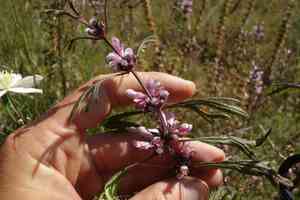
A resilient, herbaceous perennial frequently appreciated for its spiraled foliage and elevated, pointed blossoms, honeyweed flourishes with consistent trimming. In spring, nip off the ends to foster a more compact development. Throughout summer, remove faded flowers to stimulate ongoing blooming. During autumn, following the flowering period, reduce the foliage to 2-3 inches to facilitate winter rest and invigorate spring development. Trimming boosts the plant's vitality and primes honeyweed for vigorous seasonal cycles.
What Are the Benefits of Pruning Honeyweed?
What Are the Benefits of Pruning Honeyweed?
Trimming honeyweed promotes robust development and maintains its form. Eliminating old or crowded stems enhances plant vitality and visual structure, crucial for optimal growth and garden integration.
What Is the Best Time for Pruning Honeyweed?
What Is the Best Time for Pruning Honeyweed?
Pruning or trimming honeyweed during Spring, Early Summer, and Fall is optimal. In Spring, pruning before new growth appears can revitalize honeyweed, establishing a strong base for the growing period. Early Summer trimming can shape the plant and control its size, and also encourage a second flush of blooms if honeyweed is a repeat bloomer. Fall pruning is beneficial as it removes any dead or damaged growth before honeyweed enters dormancy, which can boost plant health and vigor next season. Pruning in these seasons avoids cutting back honeyweed during flowering and avoids the winter season when open wounds may be susceptible to frost damage and disease.
What Tools Do I Need to Prune Honeyweed?
Bypass Hand Pruners
Perfect for making precise cuts on the green, live growth of honeyweed, minimizing harm to the plant's stems. Since honeyweed isn't a particularly thick-stemmed plant, hand pruners will suffice for most trimming tasks.
Pruning Shears
Suitable for cutting the thinner, more delicate stems of honeyweed. These shears offer accuracy and ease of use for shaping and deadheading.
Garden Gloves
Though not a cutting tool, gloves are vital for safeguarding the gardener's hands from any sharp edges or potentially irritating plant sap from honeyweed.
Garden Disinfectant
An essential tool for maintaining tool cleanliness to prevent the spread of disease during the pruning of honeyweed. Clean cuts are less prone to infection.
How to Prune Honeyweed
Identify
Examine honeyweed for wilted leaves, which are typically discolored, dry, and possibly crumpled. Focusing on these parts prevents energy waste on non-viable sections of the plant.
Sanitize
Before pruning honeyweed, sterilize your pruning shears or scissors with alcohol or a bleach solution to prevent the spread of diseases.
Cut
Cut the withered leaves off honeyweed at the base where they meet the stem or the next healthy leaf. Make clean cuts to avoid tearing, which could injure the plant further.
Dispose
Remove and discard all the clipped withered leaves from honeyweed to reduce the risk of disease and pest infestation for the plant.
Monitor
Regularly monitor honeyweed after pruning for signs of new growth or further wilting to maintain plant health and vigor through selective follow-up pruning if necessary.
Common Pruning Mistakes with Honeyweed
Overpruning
Removing too much foliage from honeyweed can stress the plant, reduce its vigor, and impede its ability to bloom. It is crucial to only prune what is necessary.
Neglecting deadheading
Failing to remove spent flowers from honeyweed can prevent new blooms and potentially lead to self-seeding, which may not be desired.
Incorrect cut placement
Cutting too close or too far from the node can either damage the plant or leave unsightly stubs, which can also invite disease.
Pruning without sterilizing tools
Using dirty tools can introduce pathogens to honeyweed, potentially leading to infections and disease spread.
Common Pruning Tips for Honeyweed
Sharp tools
Use clean, sharp pruning shears to make clean cuts, which helps honeyweed heal faster and reduces the risk of disease.
Selective pruning
Focus on removing dead or weak stems, as well as those that are crossing or rubbing against each other, to improve air circulation and light penetration within honeyweed.
Encouraging bushiness
Pinch back the tips of young honeyweed plants to encourage a bushier growth habit and more flowering sites.
Deadheading
Regularly remove spent flowers of honeyweed to encourage continuous blooming throughout the growing season.



