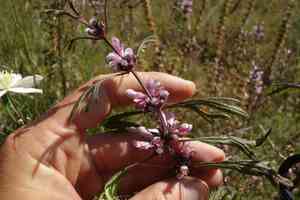
Honeyweed (Leonurus sibiricus)
Also known as: Chinese motherwort
Honeyweed thrives in moist, disturbed soils commonly found in agricultural fields, gardens, and along roadsides. This annual herb features white, pink, or purple flowers that grow directly from the main stem.
In This Article
Attributes of Honeyweed
Lifespan
Annual, Biennial, Perennial
Plant Type
Herb
Plant Height
20 cm to 81 cm
Spread
0.3 to 0.6 meters
Leaf Color
Green
Flower Size
1 to 2 cm
Flower Color
Pink Purple Red
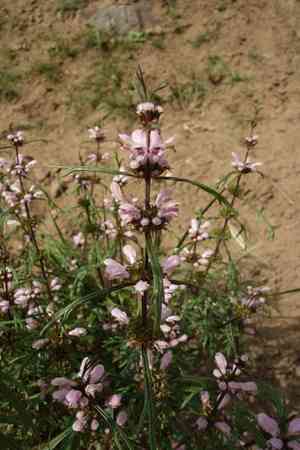
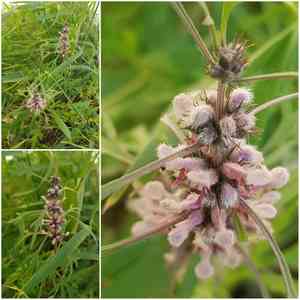
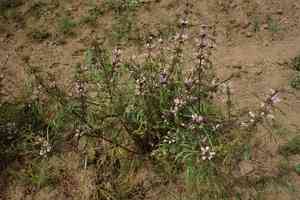
Images of Honeyweed
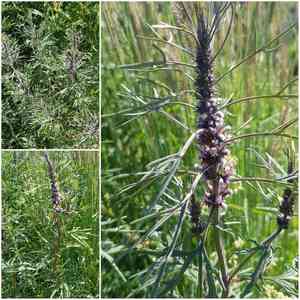
Quickly Identify Honeyweed
1
Leonurus sibiricus can be identified by its erect stems that can grow up to 1.5 meters tall, with deeply lobed leaves and tubular pink or purple flowers that grow in dense whorls. The leaves are typically hairy and the flowers are bilaterally symmetrical.
Scientific Classification of Honeyweed
Phylum
Vascular plants
Class
Dicotyledons
Order
Lamiales
Family
Mint
Genus
Motherworts
Species
Honeyweed
Planting and Growing of Honeyweed
Care Difficulty
Easy
Watering Schedule
Every 3 days
Sunlight Requirements
Full sun
Sunshine Duration
4-8 hours
Ideal Temperature
60-77℉
Soil Type
Potting Mix, Peat Mix
Soil pH
6.5-7.5
Fertilizer Type
Balanced
Pruning Season
Spring, Summer
Pruning Area
Branches, Leaves
Pruning Frequency
2 times a year
Repotting Season
Spring
Pot Type
Terracotta, Plastic
 How to Water Honeyweed?
For Leonurus sibiricus, it's essential to ensure the soil is evenly moist without being waterlogged. Watering should be enough to moisten the root zone thoroughly, around 200 ml per session, ensuring excess water drains out to prevent root rot.
What are the symptoms of an underwatered Honeyweed?
›
What should I do if my Honeyweed is not getting enough water?
›
What are the symptoms of an overwatered Honeyweed?
›
How to save an overwatered Honeyweed?
›
 What Are the Sunlight Requirements for Honeyweed?
Leonurus sibiricus prefers full sun to partial sun conditions. Ideal light exposure encourages energetic growth, vibrant green leaves, and abundant flowering, maximizing its aesthetic and health benefits.
More About Sunlight Requirements Techniques→
What is the best light condition for Leonurus sibiricus?
›
How can I ensure optimal light exposure for this plant?
›
What benefits does the plant get from ideal light exposure?
›
 What Is the Ideal Temperature Range for Honeyweed?
Leonurus sibiricus thrives best within a temperature range of 60 to 77°F. This range provides the optimal environment for growth and development, ensuring the highest rate of photosynthesis and metabolism. Maintaining consistent temperatures within this range can lead to vigorous plant growth and increased flowering potential.
 What Soil is Best for Honeyweed?
Leonurus sibiricus thrives in well-drained soil, which prevents waterlogging and root rot. This ensures the plant gets sufficient air at the roots, promoting healthy growth and robust flowering. The plant prefers soil with moderate fertility. Excessive nutrients increase the risk of lush foliage at the expense of blooms, whereas low nutrients hamper growth. Soil that can retain moisture well without becoming soggy is ideal. This enhances the plant's ability to survive dry spells while ensuring consistent nutrient uptake.
 How to Fertilize Honeyweed?
When it comes to fertilizing Leonurus sibiricus, it's important to use a balanced fertilizer at a moderate rate. Apply liquid fertilizer at a rate of 200 ppm once every two weeks during the growing season. For slow-release fertilizers, aim for about 1 tablespoon per square foot spread evenly over the soil surface once every four months.
 How to Prune Honeyweed?
Leonurus sibiricus, also known as Siberian motherwort, benefits greatly from regular pruning. Start by using sharp, sterilized shears to cut back any dead or damaged stems. This encourages healthier growth and prevents disease. Remove any faded flowers to promote additional blooming. Regular pruning helps maintain a bushy and compact form and controls its spreading nature.
More About Pruning Techniques→
 How to Propagate Honeyweed plant?
1
Before sowing, soak the seeds in water for 12-24 hours. This softens the seed coat and accelerates germination by promoting moisture absorption, making it easier for the seedlings to emerge.
2
Select a healthy stem from the mother plant with several nodes. Use sterilized scissors to prevent disease transmission. Aim for a cutting about 4-6 inches long for optimal rooting success.
3
Use a well-draining potting mix, such as a combination of peat and perlite. It offers the cuttings or seedlings ample aeration and moisture without the risk of waterlogging.
 How to Repot Honeyweed plant?
1
Leonurus sibiricus should be repotted when you notice its roots starting to grow through the drainage holes or encircling the pot. These signs indicate it needs more room. Alternatively, if the plant's growth is stunted or the soil seems to retain moisture longer than usual, these are also indicators that repotting might be beneficial.
2
Select a pot that is one to two sizes larger than the current one. It should have adequate drainage holes to prevent water buildup. A slightly larger pot allows for root expansion without overwhelming the plant, providing it with enough space for healthy growth.
3
Opt for well-drained loamy soil, rich in organic materials. This choice ensures good drainage while providing essential nutrients, creating an ideal environment for Leonurus sibiricus. Avoid overly compact or heavy soils, which can retain too much moisture and harm the roots.



