How to Prune Lipped orchid?
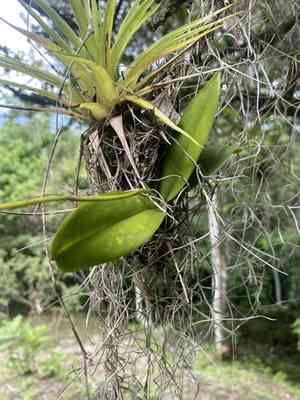
The Lipped orchid showcases uniquely vivid and elaborate blossoms. To achieve peak development, trim in the initial part of spring or the latter part of winter, prior to the emergence of fresh shoots. Eliminate any deceased or compromised stalks to channel vitality toward robust sections. Refrain from extensive cutting; instead, concentrate on preserving its form and clearing congested zones to enhance air movement and light exposure. Consistent, gentle trimming fosters more abundant blooms and vigorous development. Always employ sanitized, keen implements to avert the spread of pathogens.
Advantages of Trimming Lipped Orchid
Advantages of Trimming Lipped Orchid
Trimming aids lipped orchid in vigorous development by eliminating dead or diseased sections, boosting air circulation and light exposure. It maintains the plant's form, prevents excessive growth, and encourages robust blooming, leading to more vibrant and resilient growth.
Optimal Time for Pruning Lipped Orchid
Optimal Time for Pruning Lipped Orchid
The best periods for pruning lipped orchid are early spring and late winter. These seasons are ideal as lipped orchid typically enters a dormant state during colder months. Pruning then minimizes plant stress, allowing it to recover and prepare for new growth in the upcoming season. Additionally, pruning before new growth starts helps redirect the plantâs energy to produce strong shoots and healthy flowers, ensuring peak health and flowering.
Required Tools for Pruning Lipped Orchid
Fine-tipped scissors
Fine-tipped scissors enable precise cuts without harming surrounding tissue, perfect for the delicate stems and leaves of lipped orchid.
Bypass pruners
Bypass pruners are excellent for making clean cuts on slightly thicker stems of lipped orchid, promoting healthy regrowth and preventing crushing.
Snips
Snips are small and easy to handle, suitable for detailed pruning tasks on lipped orchid, such as removing spent flowers or dead foliage.
Disinfectant wipes
Using disinfectant wipes to clean tools before and after pruning reduces the risk of disease transmission, crucial for the health of lipped orchid.
How to Prune Lipped Orchid
Inspect
Regularly check lipped orchid for any indications of diseased or withered leaves. A thorough examination helps identify what needs removal and maintains the plantâs health.
CleanTools
Before you begin pruning, ensure all pruning tools are clean and sterilized. Use a bleach and water solution or rubbing alcohol to disinfect tools, preventing disease spread.
RemoveDiseasedLeaves
Carefully cut off any diseased leaves using sterilized pruning shears. Make clean cuts near the base of affected leaves, but avoid cutting into healthy tissue.
TackleWitheredLeaves
Trim withered leaves at their base. Use precise cuts to remove the entire leaf, ensuring no damage to the surrounding healthy parts of lipped orchid.
DisposeProperly
Properly dispose of trimmed diseased and withered leaves away from the plant and other vegetation to prevent potential disease spread. Consider burning or bagging the waste for appropriate disposal.
Common Pruning Errors with Lipped Orchid
Over-pruning
Cutting back too much foliage can deprive lipped orchid of the energy required for flower production and healthy growth.
Improper technique
Using dull or unclean tools can damage plant tissue and increase disease risk. Always use sharp, sterilized pruning shears.
Poor timing
Pruning at the wrong time can disrupt the plant's growth cycle, affecting its ability to bloom. Be familiar with lipped orchid's growth stages.
Neglecting sanitation
Failing to clean pruning tools between cuts can spread disease. Always disinfect tools with a 70% isopropyl alcohol solution.
General Pruning Advice for Lipped Orchid
Light trimming
Regularly remove dead or yellowing leaves to enhance air circulation and lower disease risk. Avoid heavy pruning to preserve the plant's natural shape.
Target deadwood
Prioritize removing dead or damaged stems first. This helps direct the plantâs energy towards healthier growth.
Be gentle with new growth
New shoots and leaves are particularly sensitive. Trim these areas sparingly to avoid stressing lipped orchid.
Use the right tools
Invest in high-quality, clean, and sharp pruners for precise cuts and to reduce plant stress.
Monitor for pests
While pruning, check for signs of pests or diseases. Early detection can help manage issues before they become severe.



