How to Propagate Lipped orchid?
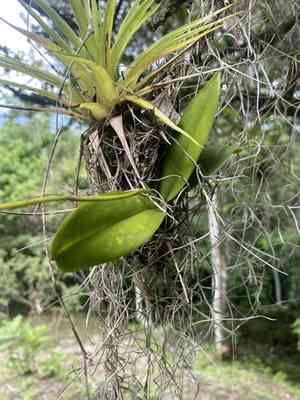
The Lipped orchid, an epiphytic variety, is recognized for its appealing, labiate blossoms. Effective propagation is chiefly achieved through separation. Verify that every separated portion possesses a minimum of one pseudobulb and robust roots. Disinfect your instruments to avert diseases. Position the separated parts in a well-ventilated, damp bark substrate, guaranteeing sufficient moisture and diffused illumination. Frequent spraying is advisable to sustain humidity. Perseverance and steady attention will result in thriving new specimens.
Optimal Time for Lipped Orchid Propagation
Propagation Method
Separation
Propagation Period
Spring,Autumn
Tools Required for Lipped Orchid Propagation
Sterile Knife or Pruning Shears
These instruments are vital for making clean cuts when separating lipped orchid into smaller portions. They help prevent disease transmission and ensure precise, neat cuts, which are crucial for the plant's recovery and development.
Rooting Hormone
Rooting hormone aids in stimulating root development in the newly separated sections of lipped orchid. This hormone is particularly beneficial for ensuring quicker establishment and more robust root systems.
Clean Pots and Trays
Utilizing clean pots and trays is essential to prevent the contamination of lipped orchid with harmful organisms. Appropriate containers ensure that the divided sections have ample space to grow and develop a strong root system.
Well-Draining Orchid Mix
A specialized growing substrate, such as a well-draining orchid mix, is perfect for lipped orchid, as it replicates the plant's natural environment. Good drainage is crucial to prevent root rot and ensure proper air circulation for healthy growth.
Spray Bottle
A spray bottle is useful for maintaining elevated humidity levels, which is critical during the initial stages of propagation for lipped orchid. It helps in keeping the substrate moist without excessive watering.
Labeling Tags
Labeling tags assist in tracking the divided sections and their planting date. This is important for monitoring progress and identifying any issues early on.
Humidity Dome
A humidity dome can be placed over the pots to create a controlled environment with high humidity, which is advantageous for the initial growth stage of lipped orchid. It reduces moisture loss and promotes faster rooting.
Sanitizing Solution
Sanitizing tools and containers with an appropriate solution before use minimizes the risk of infections and diseases. This is crucial for maintaining the health and viability of lipped orchid during propagation.
How to Propagate Lipped Orchid?
Propagation Type
Simple
How to Care for Your Newly Propagated Lipped Orchid?
How to Care for Your Newly Propagated Lipped Orchid?
After propagating lipped orchid, ensure they are kept in a slightly shaded location with indirect light. Maintain high humidity levels and moderate, consistent watering to keep the growing medium moist but not waterlogged. Refrain from any fertilization for the first few weeks to allow the plants to establish themselves in the new pots. Monitor for any signs of stress or disease, adjusting care as necessary to promote healthy growth.
Common Mistakes to Avoid When Propagating Lipped Orchid
Overwatering
Excessive watering can lead to root rot and fungal infections, which can significantly reduce the chances of successful propagation and harm the overall health of lipped orchid.
Improper Light Conditions
Providing too much direct sunlight or insufficient light can impede the growth of lipped orchid. These plants require specific light conditions, typically bright, indirect light.
Using the Wrong Soil Medium
Using soil that does not provide adequate drainage can suffocate the roots. Lipped orchid needs a well-draining medium to encourage healthy root development.
Ignoring Humidity Requirements
Failing to maintain appropriate humidity levels can lead to poor growth and propagation failure. Lipped orchid thrives in environments with higher humidity.
Tips For Propagating Lipped Orchid
Use Well-Draining Medium
Ensure that the propagation medium drains well to prevent waterlogging and root rot, which can be fatal for lipped orchid.
Maintain Humidity
Use a humidity dome or a similar method to keep the humidity high around lipped orchid, as this can significantly improve propagation success.
Provide Adequate Light
Place the plant in bright, indirect light to foster strong and healthy growth without exposing it to potentially harmful direct sunlight.
Sterilize Tools
Always use sterilized tools when taking cuttings or dividing plants to prevent the spread of diseases that can hinder propagation.



