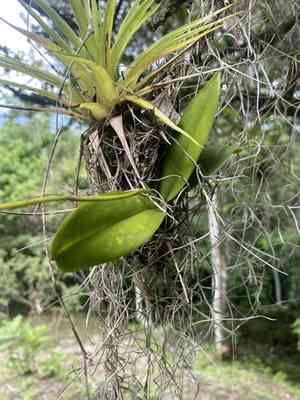
Lipped orchid (Leochilus labiatus)
Also known as: No known aliases
The lipped orchid, known for its delicate charm, features small flowers with a distinctive lip that often resembles a tiny pouch. These orchids exhibit subtle hues ranging from green to brown, allowing them to blend harmoniously into the tropical forest canopy. As epiphytes, they often grow on tree branches or rocks, taking advantage of their versatile lifestyle to access light and nutrients. The natural habitat of lipped orchids is characterized by diffuse light and high humidity, conditions that are crucial for their growth and contribute to their subtle allure.
In This Article
Attributes of Lipped orchid
Lifespan
Perennial
Plant Type
Herb
Plant Height
10-20 cm
Spread
N/A
Leaf Color
Green
Flower Size
1-2 cm
Flower Color
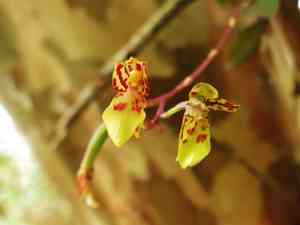
Yellow with red spots
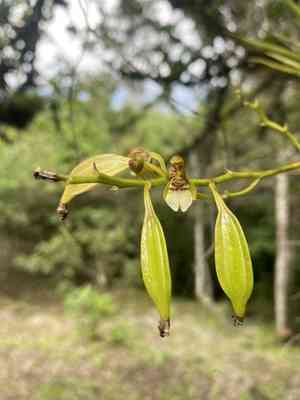
Images of Lipped orchid

Quickly Identify Lipped orchid
1
Identify Leochilus labiatus by its small size, yellow flowers with red spots, and short pseudobulbs. The leaves are narrow and the inflorescence is erect, bearing several flowers.
Scientific Classification of Lipped orchid
Phylum
Vascular plants
Class
Monocotyledons
Order
Asparagales
Family
Orchid
Genus
Leochilus
Species
Lipped orchid
Planting and Growing of Lipped orchid
Care Difficulty
Moderate
Watering Schedule
Every 3 days
Sunlight Requirements
Partial sun
Sunshine Duration
10-14 hours
Ideal Temperature
65-75℉
Soil Type
Potting Mix, Peat Mix
Soil pH
6.5-7.5
Fertilizer Type
Balanced
Pruning Season
Spring, Summer
Pruning Area
Branches, Leaves
Pruning Frequency
2 times a year
Repotting Season
Spring
Pot Type
Terracotta, Plastic
 How to Water Lipped orchid?
When watering Leochilus labiatus, ensure that the entire root zone is moistened. Aim to provide around 150 milliliters of water each time, allowing the water to thoroughly saturate the potting mix without leaving it soggy. The ideal is to reach the roots without causing water to pool at the bottom of the container.
What are the symptoms of an underwatered Lipped orchid?
›
What should I do if my Lipped orchid is not getting enough water?
›
What are the symptoms of an overwatered Lipped orchid?
›
How to save an overwatered Lipped orchid?
›
 What Are the Sunlight Requirements for Lipped orchid?
Partial sun is ideal, as it balances bright but not overwhelming conditions. This light promotes consistent blooming and healthy foliage, particularly beneficial in maintaining the vibrant blooms of Leochilus labiatus.
What is the best lighting setup for Leochilus labiatus?
›
How can I ensure the plant receives ideal light?
›
What benefits does proper lighting provide to the plant?
›
 What Is the Ideal Temperature Range for Lipped orchid?
The ideal temperature range for cultivating Leochilus labiatus is between 65°F and 75°F. This temperature range is optimal for the plant's metabolic processes and photosynthesis. At these temperatures, the plant can efficiently uptake nutrients and maintain healthy growth. Exposing the plant to these conditions also promotes robust flowering and overall vitality. Consistent temperatures within this range reduce stress on the plant, thereby lowering susceptibility to diseases.
 What Soil is Best for Lipped orchid?
Leochilus labiatus thrives in well-draining soil that prevents root rot and ensures adequate air circulation around the roots. This type of soil reduces water logging, allowing the plant to absorb nutrients efficiently. This orchid requires soil enriched with organic matter, providing essential nutrients for vibrant growth. Nutrient-rich soils support healthy foliage and aid in the proliferation of beautiful blossoms. The plant prefers soil that retains moisture without becoming soggy. This balanced moisture retention helps maintain consistent hydration levels, crucial for the plant’s metabolic activities.
 How to Fertilize Lipped orchid?
For Leochilus labiatus, it's crucial to use a balanced, water-soluble fertilizer at half strength for liquid applications. A quarter teaspoon (1.23 ml) of fertilizer per gallon of water is generally sufficient to maintain optimal growth. When using slow-release granular fertilizers, apply approximately one tablespoon (15 grams) around the base of the plant.
 How to Prune Lipped orchid?
Begin by gathering all necessary tools such as sharp pruners or scissors and a sterilizing agent. Soak the blades in a gentle bleach solution for a few minutes to ensure cleanliness. Look closely at your Leochilus labiatus to identify any dead, damaged, or overgrown stems, leaves, or roots. Plan cuts at the base of these points to maintain the plant's natural shape. Carefully make clean cuts, ensuring you do not damage the healthy parts of the plant. Cut at a slight angle to promote better water runoff and reduce the chance of rot. After pruning, ensure your Leochilus labiatus receives adequate water and indirect sunlight. Check for signs of stress or infection, and adjust environmental factors as needed.
More About Pruning Techniques→
 How to Propagate Lipped orchid plant?
1
Soak seeds in room temperature water for 24 hours to soften the seed coat and enhance germination rates. After soaking, allow the seeds to dry on a paper towel before sowing.
2
Carefully remove the plant from its pot and gently shake off excess soil. Identify natural divisions or offsets, and use sanitized pruners to separate them. Replant divisions promptly to prevent root desiccation.
3
For tissue culture, sterilizing both the plant material and the working environment is crucial. Use a laminar flow hood to minimize contamination risks while introducing plant segments to culture mediums.
 How to Repot Lipped orchid plant?
1
Repotting Leochilus labiatus should be considered when you notice roots starting to outgrow the current pot or when the growth significantly slows down. Visible signs include roots protruding from drainage holes or circling around the container's base. Ideally, repotting is best done early in the growing season to give the plant sufficient time to establish in its new environment.
2
Select a pot that is slightly larger than the current one, with adequate drainage holes. A pot that is too big can hold excess moisture, which might lead to root rot. Additionally, using a transparent pot can aid in monitoring root health, as visual inspection of roots is simpler, thus maintaining the plant's well-being.
3
Opt for a well-draining orchid potting mix available at gardening centers. This mix typically comprises bark, charcoal, and perlite, offering excellent aeration and preventing waterlogging. Adequate drainage ensures healthy root growth, which is essential for orchids like Leochilus labiatus that dislike standing water.



