How to Prune Minute duckweed?
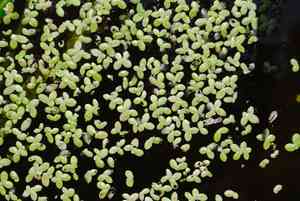
This diminutive aquatic flora flourishes in thick, buoyant groupings. Trimming minute duckweed entails reducing overly dense patches to facilitate light access and mitigate decomposition. Generally, thinning is most effective during periods of vigorous development in spring, summer, and autumn. Consistent elimination of surplus organic matter during these seasons improves plant vitality and averts nutrient scarcity in aquatic environments. To achieve peak outcomes, employ a fine-mesh net to carefully extract excess vegetation, ensuring minimal disruption to the existing colony.
What Are the Benefits of Pruning Minute Duckweed?
What Are the Benefits of Pruning Minute Duckweed?
Trimming minute duckweed encourages robust development and helps keep its compact form, ensuring efficient nutrient utilization and preventing excessive growth that can lead to decay and poor condition.
What Is the Best Time for Pruning Minute Duckweed?
What Is the Best Time for Pruning Minute Duckweed?
Pruning or trimming minute duckweed during Spring, Summer, and Fall is ideal due to its rapid growth cycle during these warmer months. Trimming in Spring allows for the removal of any overwintered or dead material, promoting healthier and more vigorous growth as temperatures rise. Summer pruning helps maintain control over the plant's spread and density, which is critical given minute duckweed's fast proliferation. This ensures light and nutrients are evenly distributed, supporting overall aquatic ecosystem health. In Fall, light pruning helps prepare minute duckweed for winter by eliminating excess growth and potentially reducing decay in colder weather. Avoid pruning in winter as the plant's growth slows significantly, and it may not recover well from trimming.
What Tools Do I Need to Prune Minute Duckweed?
Fine mesh scoop or net
Given minute duckweed's tiny size and floating nature, a fine mesh scoop or net is perfect for gently clearing excess growth from the water's surface without harming the plants.
Water change equipment
Maintaining water quality is crucial for minute duckweed. Regular water changes, facilitated by a siphon or similar equipment, can help manage nutrient levels and reduce the need for extensive pruning.
How to Prune Minute Duckweed
Identify
Carefully examine minute duckweed colonies floating on the water's surface. Look for withered or brown-colored leaves (fronds) that indicate decay or disease.
Remove
Using a small scoop or a spoon, gently remove the sections of minute duckweed showing signs of decay or disease. Ensure minimal disturbance to healthy areas.
Collect
Gather the removed unhealthy parts in a container. Avoid throwing them back into the water or near healthy water bodies as they might spread pathogens.
Dispose
Dispose of the diseased and dead material appropriately, far from natural water bodies to prevent contamination and spread of diseases.
Monitor
Regularly monitor the remaining minute duckweed colonies for any new signs of health decline or overcrowding, and repeat the pruning process as necessary to maintain a healthy population.
Common Pruning Mistakes with Minute Duckweed
Over-pruning
One of the most frequent mistakes is over-pruning minute duckweed, which can drastically reduce its vitality. Minute duckweed has a delicate balance of foliage to root ratio that should be maintained for optimal health.
Improper technique
Using the wrong tools or technique can damage the tiny, fragile parts of minute duckweed, potentially causing unintended harm. This mistake leads to poor growth and ineffective proliferation of the plant.
Frequency
Pruning minute duckweed too frequently might hinder its ability to recover and grow efficiently. Consistency in pruning should be balanced with the plant's growth rate and health.
Common Pruning Tips for Minute Duckweed
Using proper tools
Employ small, precise tools like tweezers or pipettes for pruning to avoid damaging the tiny structure of minute duckweed. This helps in selectively removing only the necessary parts without affecting the healthy growth areas.
Health examination
Before pruning, assess the overall health of minute duckweed to determine the exact amount of removal required. Focus on clearing out only the decayed or unhealthy portions to promote better health and growth.
Encourage proliferation
When pruning, aim to encourage proliferation by carefully selecting areas that are overgrown or beginning to decay. This strategic removal not only maintains the appearance of minute duckweed but also stimulates healthier, more robust growth.



