How to Propagate Minute duckweed?
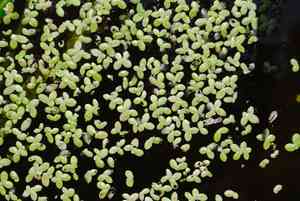
Minute duckweed primarily multiplies via asexual reproduction, where sections of the organism detach and develop autonomously. To foster improved development, verify that the aquatic environment is abundant in nutrients and sustain ideal light exposure for proliferation. Consistent oversight of the water parameters can avert excessive density and encourage more robust growth.
When Is the Optimal Time to Propagate Minute Duckweed?
Propagation Method
Cutting
Propagation Period
Spring,Summer
What Equipment Is Used for Minute Duckweed Propagation?
Shallow trays or small containers
These are vital for holding minute duckweed during its propagation phase. They offer a contained setting, which is key due to minute duckweed's tiny size and floating nature. These vessels should be shallow enough to allow easy access to light and air, essential for minute duckweed's growth and photosynthesis.
Water (dechlorinated)
Minute duckweed requires specific water conditions, free from chlorine and heavy metals that can be harmful. Using dechlorinated water helps replicate minute duckweed's natural aquatic habitats, fostering healthier development and reducing damage or illness risk.
Liquid fertilizer
Minute duckweed greatly benefits from adding liquid fertilizer, appropriately diluted to avoid harming the plant's delicate structure. This delivers nutrients directly in a form readily available to minute duckweed, promoting strong growth and multiplication.
Fine mesh or sieve
This tool is used for handling minute duckweed during propagation, especially when separating new growth for further distribution. The fine mesh or sieve allows for gentle handling without damaging minute duckweed's small, fragile structure, ensuring only healthy, suitable-sized plants are chosen for propagation.
How to Propagate Minute Duckweed?
Propagation Difficulty
Easy
How to Care for Your Newly Propagated Minute Duckweed?
How to Care for Your Newly Propagated Minute Duckweed?
Post-propagation, continue to keep minute duckweed in similar conditions with sufficient light and clean water, maintaining the water level. As minute duckweed grows, it may consume water more rapidly, so regular replenishment with fresh water is crucial. Monitor for any signs of disease or stress, such as discoloration or brittle fronds, and respond by adjusting light or increasing water changes. With proper maintenance, minute duckweed will thrive and potentially cover the water's surface, offering a natural habitat and aesthetic appeal.
Common Errors to Avoid When Propagating Minute Duckweed
Overcrowding
Placing too many minute duckweed individuals in a small space can lead to competition for nutrients and light, significantly impeding growth and propagation. Overcrowding can also encourage disease spread.
Poor water quality
Using water with high pollutant levels or inappropriate nutrient concentrations can negatively impact minute duckweed's health. Poor water quality may result in reduced growth rates and a weaker overall plant structure.
Tips for Propagating Minute Duckweed
Frequent water changes
Regularly changing the water for minute duckweed ensures a clean, pathogen-free environment and optimizes nutrient availability, both critical for healthy growth and propagation.
Controlled lighting
Maintaining optimal lighting conditions is essential as minute duckweed thrives best in environments that mimic its natural light settings. This promotes robust growth, making propagation more successful.
Nutrient balance
Providing a balanced nutrient solution tailored to minute duckweed's needs enhances vigorous growth and supports prolific propagation. It's important to avoid both deficiency and excess to maintain an ideal growth environment.



