How to Prune Potato dwarf dandelion?
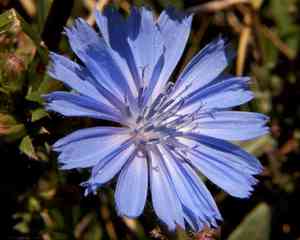
A small, enduring plant featuring vibrant yellow blossoms, potato dwarf dandelion flourishes with little upkeep. Remove withered flowers consistently during spring and summer to stimulate fresh development and, if preferred, deter self-propagation. Prompt removal of spent blooms also contributes to a tidier look and can extend the flowering duration. Extensive trimming is unnecessary; merely pluck off faded flowers at their stalks. Consistent trimming guarantees vigor and an extended flowering phase for this appealing ground cover.
What Are the Benefits of Pruning Potato Dwarf Dandelion?
What Are the Benefits of Pruning Potato Dwarf Dandelion?
Trimming potato dwarf dandelion promotes robust, energetic development and preserves its compact form. It fosters a neater look and ensures the plant's energy is directed to its most vigorous parts, supporting its overall well-being.
What Is the Best Time for Pruning Potato Dwarf Dandelion?
What Is the Best Time for Pruning Potato Dwarf Dandelion?
Trimming potato dwarf dandelion in late spring and early summer coincides with the period immediately after flowering, when the plant has used energy for bloom production and is entering a phase of vegetative growth. This timing allows for the removal of faded flowers and any unhealthy or damaged tissue, enhancing air circulation and light penetration, which are vital for the health and vigor of potato dwarf dandelion. Pruning during these seasons minimizes stress on the plant and encourages a more robust and compact growth habit, preparing it for the next year's growth cycle. It also aids in preventing seed dispersal if done before seed maturation, thereby controlling unwanted spread. Furthermore, the risk of disease transmission through pruning cuts is lower at this time, as many pathogens are less active and the plant can heal more effectively in warmer weather.
What Tools Do I Need to Prune Potato Dwarf Dandelion?
Hand Pruners
These are essential for precise trimming of potato dwarf dandelion. Their small, sharp blades are perfect for snipping off dead or overgrown stems without harming nearby plants.
Garden Shears
Potato dwarf dandelion may benefit from garden shears for shaping and managing its spread, as these can quickly cut through multiple stems at once with minimal effort.
Pruning Snips
Given potato dwarf dandelion's delicate nature, pruning snips are recommended for deadheading and thinning. These tools offer superior precision and allow gardeners to access tight spaces without damaging healthy foliage.
How to Prune Potato Dwarf Dandelion
Clean tools
Sanitize pruning implements before starting. Clean blades with a disinfectant like rubbing alcohol or a 10% bleach solution to prevent disease transmission.
Remove diseased leaves
Carefully inspect potato dwarf dandelion for diseased foliage. Use sterilized pruning shears to cut any affected leaves at their base where they connect to the stem. Dispose of diseased material in a way that prevents contamination of other plants.
Trim withered leaves
Identify withered or dead leaves on potato dwarf dandelion. Snip these leaves off at the base of the leaf stalk to encourage healthy growth and improve air circulation. This helps prevent fungal infections and other diseases.
Prune diseased stems
Look for stems on potato dwarf dandelion that show signs of disease, such as discoloration or lesions. Cut the affected stems back to healthy tissue, ensuring no part of the diseased stem remains.
Clean up
After trimming potato dwarf dandelion, gather all cuttings to reduce the chance of disease spread. Dispose of the plant waste properly, away from healthy plants, and clean your tools again with disinfectant.
Common Pruning Mistakes with Potato Dwarf Dandelion
Over pruning
Removing too much foliage can stress potato dwarf dandelion, leading to poor growth or reduced flowering. Potato dwarf dandelion thrives with a lighter touch to maintain its natural form.
Improper technique
Using dull or dirty tools can harm potato dwarf dandelion's delicate stems, risking disease and hindering growth. Sharp, clean cuts are vital for healthy pruning.
Ignoring planthealth
Pruning potato dwarf dandelion when it's weak or stressed can cause more harm than good. Assess the plant's vitality before proceeding with pruning activities.
Disregard for shape
Pruning without a clear vision for potato dwarf dandelion's desired shape can result in lopsided or uneven growth patterns, which may hinder the plant's optimal health and appearance.
Neglection of deadheading
Forgetting to remove spent blooms can prevent potato dwarf dandelion from producing new flowers. Regular deadheading encourages continuous blooming.
Pruning all flowering stems
Cutting all the flowering stems at once can leave potato dwarf dandelion without blooms for a period, disrupting its growth cycle and visual appeal.
Common Pruning Tips for Potato Dwarf Dandelion
Selective pruning
Carefully choose which stems to trim on potato dwarf dandelion to maintain an even, aesthetically pleasing plant shape and encourage fresh blooms.
Clean tools
Use sterilized and sharp pruning shears to make precise cuts, preventing infection and promoting quick healing for potato dwarf dandelion.
Focus on health
Prioritize removing dead or dying foliage to boost potato dwarf dandelion's overall health and redirect energy to the production of new growth and flowers.
Incremental approach
Approach trimming gradually, especially for heavier maintenance, to avoid shock and give potato dwarf dandelion time to recover between pruning sessions.
Post-bloom pruning
Perform light trimming after flowering to shape potato dwarf dandelion and remove spent flowers, fostering a tidy appearance and encouraging further blooming.
Watch for new growth
Monitor potato dwarf dandelion for new growth, which indicates the appropriate places to prune and helps maintain the natural form of the plant.



