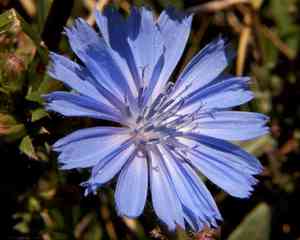
Potato dwarf dandelion (Krigia dandelion)
Also known as: Potato dandelion
Krigia dandelion, commonly known as the potato dwarf dandelion, is a perennial herb native to the southern and central United States. Plants in this genus are often referred to as dwarf dandelions because they look similar to the common dandelion (Taraxacum officinale).
In This Article
Attributes of Potato dwarf dandelion
Lifespan
Perennial, Annual
Plant Type
Herb
Plant Height
50 cm
Spread
15-30 cm (spread of leaves)
Leaf Color
Green
Flower Size
5 cm
Flower Color
Yellow
Images of Potato dwarf dandelion
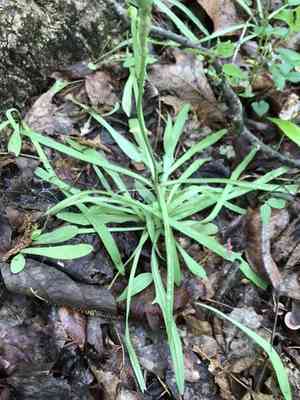
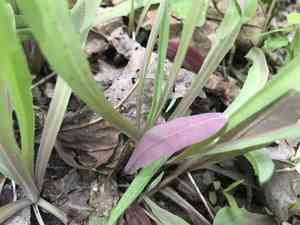
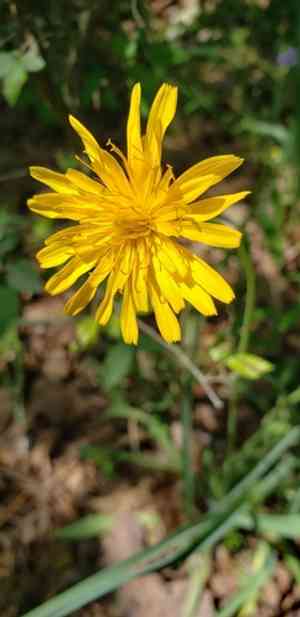
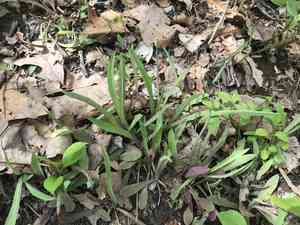
Quickly Identify Potato dwarf dandelion
1
Krigia dandelion can be identified by its bright yellow, capitulum flowers that resemble dandelions, and a distinct rosette of hairy, lobed basal leaves. The stems often have a milky sap.
Scientific Classification of Potato dwarf dandelion
Phylum
Vascular plants
Class
Dicotyledons
Order
Asterales
Family
Daisy
Genus
Krigia
Species
Potato dwarf dandelion
Planting and Growing of Potato dwarf dandelion
Care Difficulty
Easy
Watering Schedule
Every 3 days
Sunlight Requirements
Full sun
Sunshine Duration
4-6 hours
Ideal Temperature
60-75℉
Soil Type
Potting Mix, Peat Mix
Soil pH
6.5-7.5
Fertilizer Type
Balanced
Pruning Season
Spring, Summer
Pruning Area
Branches, Leaves
Pruning Frequency
2 times a year
Repotting Season
Spring
Pot Type
Plastic, Ceramic
 How to Water Potato dwarf dandelion?
Krigia dandelion, also known as dwarf dandelion, requires moderate watering. It is important to ensure that the soil is evenly moist but not waterlogged. Aim for the soil to be damp to a depth of about 1 to 2 inches. Adjust the watering amount based on weather conditions and soil drainage.
What are the symptoms of an underwatered Potato dwarf dandelion?
›
What should I do if my Potato dwarf dandelion is not getting enough water?
›
What are the symptoms of an overwatered Potato dwarf dandelion?
›
How to save an overwatered Potato dwarf dandelion?
›
 What Are the Sunlight Requirements for Potato dwarf dandelion?
Krigia dandelion thrives in direct sunlight for approximately 6 to 8 hours per day. Adequate sunlight ensures robust growth, vibrant foliage, and improved flowering.
More About Sunlight Requirements Techniques→
What is the ideal sunlight exposure for Krigia dandelion?
›
How can I achieve these ideal conditions?
›
What are the benefits of providing ideal lighting conditions?
›
 What Is the Ideal Temperature Range for Potato dwarf dandelion?
The ideal temperature range for Krigia dandelion is between 60°F and 75°F. This range ensures optimal growth, as the plant's metabolic processes function efficiently within this temperature bracket. It facilitates good photosynthesis and nutrient absorption, vital for lush growth and flowering.
 What Soil is Best for Potato dwarf dandelion?
Krigia dandelion thrives in well-drained soils that prevent root rot. Such conditions ensure that the roots receive adequate oxygen, promoting healthy growth and robust flowering. The plant benefits from soils rich in organic matter, which provides essential nutrients for growth. This nutrient availability supports lush foliage and vibrant blossoms throughout the growing season. While the soil should be well-drained, it is also important that it retains enough moisture to sustain the plant during dry spells, ensuring continuous growth and vitality.
 How to Fertilize Potato dwarf dandelion?
Krigia dandelion requires a balanced approach when it comes to fertilizer. A light application is key, roughly half the recommended dose of a standard all-purpose fertilizer. This ensures the plant receives essential nutrients while avoiding the risk of over-fertilization.
 How to Prune Potato dwarf dandelion?
Always use sharp and clean pruning shears or scissors to avoid damaging the plant and to ensure clean cuts. This prevents disease transmission and promotes faster wound healing. When pruning, avoid cutting too close to the main stem. Leave a small stub to prevent cutting into the stem and potentially damaging it, which can lead to disease entry points.
More About Pruning Techniques→
 How to Propagate Potato dwarf dandelion plant?
1
Use a well-draining potting mix combined with sand to replicate the natural growing conditions. Fill seed starting trays with this mixture, ensuring it is lightly packed to provide a stable medium for seed germination.
2
Scatter the Krigia dandelion seeds thinly on the surface of the prepared soil in the trays. Lightly press the seeds into the soil to ensure contact but do not bury them, as they need light to germinate.
3
Using a misting bottle, moisten the surface of the soil carefully. Be cautious not to use too much water to avoid washing away the seeds. Maintain consistent moisture throughout the germination period.
 How to Repot Potato dwarf dandelion plant?
1
Repotting Krigia dandelion should be considered when you notice the roots becoming pot-bound or outgrowing their current space, which occurs every one to two years. If your plant seems to have stunted growth or you see roots protruding from the pot's drainage holes, it's time for a change.
2
Choose a pot that is about 2 inches larger in diameter than the current one, with adequate drainage holes to ensure water doesn't pool around the roots. Ceramic or terracotta pots are ideal as they allow air exchange and moisture control, promoting healthy root development.
3
For Krigia dandelion, opt for a well-draining loamy mix that's rich in organic matter. This type of soil supports root health by allowing water to drain efficiently, while retaining the necessary nutrients and moisture thanks to its balanced composition.
Learn More About Potato dwarf dandelion Diseases
Anthracnose
Bacterial Leaf Spot
Bacterial Soft Rot
Bacterial Wilt
Crown Gall
Cyst Nematode
Damping-off
Downy Mildew
Drought Stress
Fusarium Wilt
Gray Mold
Leaf Curl
Leaf Spot
Mosaic
Nutrient Deficiency
Nutrient Toxicity
Powdery Mildew
Root Rot
Root-knot Nematode
Rusts
Sooty Mold
Spider Mites
Temperature Stress
Thrips Damage
White Mold
Chemical Injury



