How to Prune Field scabious?
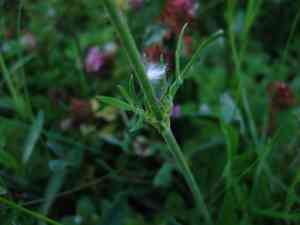
A perennial plant featuring lilac-blue pincushion blossoms, field scabious flourishes in adequately drained earth and ample sunlight. Routinely remove spent blooms to encourage an extended flowering period. Trim back the foliage in early spring to stimulate vigorous new development. The most effective pruning takes place from early spring through late summer, coinciding with the plant's peak growth phase. Pruning boosts vitality, hinders seed dissemination, and preserves a dense shape, which is crucial for strong health and visual attractiveness.
What Are the Benefits of Pruning Field Scabious?
What Are the Benefits of Pruning Field Scabious?
Trimming field scabious promotes robust development and helps maintain its form. Timely cuts lead to healthier, denser foliage and can boost flowering while ensuring the plant doesn't spread excessively.
What Is the Best Time for Pruning Field Scabious?
What Is the Best Time for Pruning Field Scabious?
Pruning or trimming field scabious in early spring stimulates vigorous growth, allowing the plant to recover and produce lush foliage. Additionally, pruning before the flowering season ensures the plant can direct energy into creating blooms. Late summer is another suitable period for pruning field scabious, as it permits the removal of faded flowers and can help prevent unwanted self-seeding. Pruning during these times aligns with field scabious's natural growth cycle and does not impede its development or blooming capacity.
What Tools Do I Need to Prune Field Scabious?
Hand Pruners
Perfect for cutting the slender stems field scabious typically possesses, enabling precise snips without harming adjacent stems or blossoms.
Gardening Gloves
Shields the gardener's hands from thorns and plant sap while trimming field scabious, ensuring a safe and comfortable gardening experience.
Pruning Saw
Useful for cutting through thicker stems that field scabious might occasionally develop, especially for older, more woody growth.
Garden Shears
Good for shaping field scabious and cutting back multiple stems simultaneously, particularly during the plant’s dormant season or when performing extensive pruning.
Long-Handled Loppers
Offers extended reach and leverage for thicker or harder-to-access stems of field scabious, while also minimizing bending and reaching strain on the gardener.
How to Prune Field Scabious
Step1: Identify Old Blooms and Seed Heads
Examine field scabious in early spring or after blooming to determine which plant parts require trimming. Look for old flowers and mature seed heads that need removal to encourage new growth and additional flowering.
Step2: Prepare and Sterilize Pruning Tools
Ready clean, sharp pruning shears or scissors. Disinfect the cutting tool with isopropyl alcohol to prevent disease transmission among plants.
Step3: Locate Spent Flower Stems
Find spent flower stems with old blooms. These will typically be brown and dry and may have seed heads formed at their tips.
Step4: Cut Spent Stems at Base
Cut the spent flower stems at their base where they meet the foliage or main stem of field scabious. Make the cut at a 45-degree angle to allow water to drain and prevent disease.
Step5: Decide on Seed Head Removal
Identify seed heads that have formed after the old blooms have faded. These may be desirable to leave for self-seeding if natural spread is preferred, or they can be cut off to promote more vigorous growth.
Step6: Remove or Trim Seed Heads
Remove the seed heads by making a cut similar to old blooms, unless reseeding is desired. If maintaining a particular shape is important, selectively trim seed heads that disrupt the form.
Step7: Thin Out Crowded Stems
Thin out congested areas of field scabious by removing entire stems at the base to improve air circulation, which helps reduce the potential for fungal diseases.
Step8: Dispose of Pruning Debris
Discard all cuttings to maintain cleanliness and to reduce the likelihood of disease or pests. Compost the removed foliage if it's free of pests and diseases.
Step9: Water Plant Post-Pruning
Water field scabious immediately after pruning to help it recover from the stress of trimming. Ensure the plant receives consistent moisture but avoid overwatering to prevent root rot.
Step10: Monitor for New Growth
Observe field scabious for new growth, which typically appears a few weeks after pruning. Additional fertilizer isn't usually required, but a layer of compost can be added to support healthy growth.
Step11: Repeat Pruning as Necessary
Repeat the pruning process as needed throughout the growing season to remove any additional old blooms or unwanted seed heads. This will help field scabious maintain an attractive shape and promote continuous flowering.
Post-Pruning Care for Field Scabious
Post-Pruning Care for Field Scabious
After trimming field scabious, ensure immediate sufficient watering to lessen transplant shock. Maintain optimal light and partial shade to aid recovery, avoiding intense midday sun. Regularly check humidity and keep the temperature stable, as field scabious thrives in moderate conditions. Apply a balanced fertilizer to replenish nutrients and encourage growth. Watch for wilting leaves or discolored stems as indicators of stress or infection. If detected, isolate the plant and adjust care accordingly to prevent further damage.
Common Pruning Mistakes with Field Scabious
Neglecting Deadheading Reduces Blooms
Failing to remove dead or faded flowers, which can diminish the overall blooming of field scabious by preventing new buds from forming.
Over-Pruning Stresses Plant
Cutting too much of the plant at once, jeopardizing the health and vigor of field scabious by causing excessive stress.
Dull Tools Cause Stem Damage
Not using clean, sharp pruning tools, which can damage the stems of field scabious and may introduce disease.
Improper Pruning Affects Plant Shape
Trimming without understanding the natural form of field scabious, leading to an unattractive appearance and potential harm to the plant's structure.
Unremoved Diseased Stems Spread Illness
Ignoring diseased or damaged stems, which can spread illness throughout field scabious if not removed promptly.
Common Pruning Tips for Field Scabious
Deadhead to Promote Blooming
Regularly remove spent flowers to encourage further blooming and prevent field scabious from investing energy into seed production.
Clean Cuts Above Nodes Encourage Growth
Make clean cuts just above a leaf node or a branching point to promote healthy regrowth and maintain the natural shape of field scabious.
Sharp, Sterilized Shears Prevent Infection
Use sharp, sterilized pruning shears to make precise cuts that will heal quickly and reduce the risk of infection in field scabious.
Thinning Improves Airflow and Light Penetration
Thin out crowded areas by selectively removing some stems at their base to improve air circulation and light penetration, which benefits the overall health of field scabious.
Promptly Remove Damaged Stems to Avoid Disease
Inspect field scabious regularly for damaged or diseased stems and remove them promptly to prevent the spread of disease.



