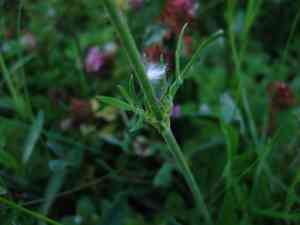
Field scabious (Knautia arvensis)
Also known as: Field scabiosa
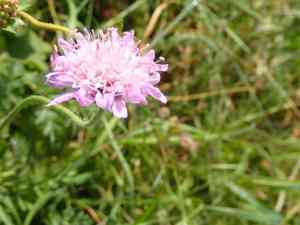
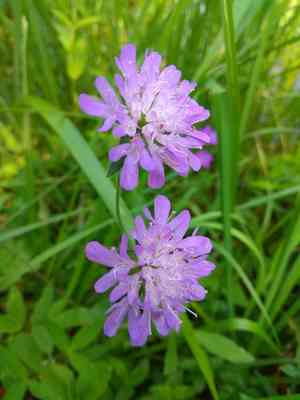
The plant you're referring to is the Field Scabious, also known as Blue Buttons. This perennial features delicate pale-lilac flowers with distinctive pincushion-like petals on slender stems. It's a great addition to wildflower gardens or borders and is highly attractive to bees and butterflies.
In This Article
Attributes of Field scabious
Lifespan
Perennial, Annual
Plant Type
Herb
Plant Height
25 cm to 1 m
Spread
40 cm
Leaf Color
Green
Flower Size
2 cm to 3 cm
Flower Color
Blue Purple White Violet
Images of Field scabious
Quickly Identify Field scabious
1
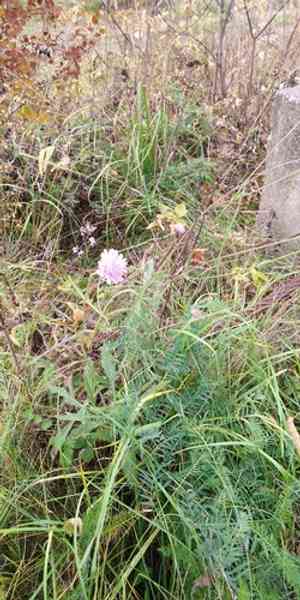
Field Scabious can be identified by its distinctive lilac-blue to pinkish-lavender flowers, which have a pincushion-like shape. The plant has hairy stems and leaves, with a basal rosette of lobed leaves.
Scientific Classification of Field scabious
Phylum
Vascular plants
Class
Dicotyledons
Order
Dipsacales
Family
Honeysuckle
Genus
Widow flower
Species
Field scabious
Planting and Growing of Field scabious
Care Difficulty
Easy
Watering Schedule
Every 4 days
Sunlight Requirements
Partial sun
Sunshine Duration
6-10 hours
Ideal Temperature
60-75℉
Soil Type
Potting Mix, Peat Mix
Soil pH
6.5-7.5
Fertilizer Type
Balanced
Pruning Season
Spring, Summer
Pruning Area
Branches, Leaves
Pruning Frequency
2 times a year
Repotting Season
Spring
Pot Type
Plastic, Terracotta
 How to Water Field scabious?
For Knautia arvensis, the ideal watering amount is about 250 milliliters per session. This ensures the soil is adequately moist but not waterlogged. It's crucial to allow the soil surface to dry out between waterings while maintaining some consistent moisture deeper down. This balance supports the plant's root structure and prevents root rot.
What are the symptoms of an underwatered Field scabious?
›
What should I do if my Field scabious is not getting enough water?
›
What are the symptoms of an overwatered Field scabious?
›
How to save an overwatered Field scabious?
›
 What Are the Sunlight Requirements for Field scabious?
Knautia arvensis thrives in full to partial sun, benefiting from strong blooms and robust growth when exposed to 6-8 hours of sunlight daily. Adequate light fosters resilience and vitality.
More About Sunlight Requirements Techniques→
What is the best light condition for Knautia arvensis?
›
How can I ensure optimal light exposure for Knautia arvensis?
›
What are the benefits of ideal light exposure for Knautia arvensis?
›
 What Is the Ideal Temperature Range for Field scabious?
The ideal temperature range for Knautia arvensis lies between 60°F and 75°F. This range provides the optimal growing conditions, ensuring that the plant experiences balanced levels of sunlight, moisture, and nutrient uptake. At these temperatures, the physiological processes of the plant are not stressed and it can flourish efficiently. Maintaining this range encourages robust flowering and healthy foliage.
 What Soil is Best for Field scabious?
Knautia arvensis thrives in well-draining soil which prevents waterlogging and root rot. This feature is crucial for the plant’s healthy growth as it prefers moist but not saturated conditions. The plant benefits from a nutrient-rich soil, which provides essential minerals and nutrients. This ensures lush foliage and vibrant blooms, keeping Knautia arvensis healthy and more resistant to pests. While Knautia arvensis doesn't require highly fertile soils, moderate fertility is beneficial. This promotes steady growth and helps sustain flower production throughout the blooming season.
 How to Fertilize Field scabious?
For Knautia arvensis, a moderate amount of fertilizer is recommended. During the growing season, use approximately 5 grams of liquid fertilizer per liter of water, applied evenly around the base of the plant. For solid fertilizers, apply a thin layer on the soil surface, ensuring it doesn't directly touch the stem, which could cause burn damage.
 How to Prune Field scabious?
Select sharp, clean pruning shears to ensure that you make clean cuts without damaging the plant tissue. Dull tools can tear the stems rather than cut them, leading to possible infections and unsightly dieback. Begin by removing any dead or damaged stems, which helps prevent disease and encourages robust growth. For stems that have finished flowering, cut back to the base or to a lateral bud, promoting further blooming and maintaining tidy foliage. Clear away all pruned material from around the plant base to prevent fungal diseases. Consider composting the pruned parts if they are healthy, returning valuable nutrients to your garden soil.
More About Pruning Techniques→
 How to Propagate Field scabious plant?
1
Collect seeds from mature Knautia arvensis plants in late summer when the seed heads turn brown. Ensure the seeds are dry and store them in a cool, dark place until sowing.
2
Prepare a seed tray with moist, sterile potting soil. Lightly press the soil to create an even surface, but do not compact it, as this influences air flow and water absorption.
3
Sow the seeds on the prepared surface without overcrowding. Cover them lightly with a thin layer of soil or vermiculite to keep them in place and provide darkness needed for germination.
 How to Repot Field scabious plant?
1
Knautia arvensis signals its need for repotting by showing signs of stunted growth or when the roots start pushing through the drainage holes. Additionally, if the soil appears compacted and is less able to retain moisture, it's time to consider repotting, which is best done in spring or autumn for optimal root recovery.
2
Choosing the right pot for Knautia arvensis is crucial. Opt for a pot that is only slightly larger than the current one, ideally 2 inches bigger in diameter. This ensures adequate root expansion without overwhelming the plant with excess moisture. Ensure the pot has good drainage holes to prevent waterlogging, which can lead to root rot.
3
Selecting the appropriate soil for Knautia arvensis is vital. A well-draining garden soil mix rich in organic matter is ideal. This not only ensures adequate moisture retention without causing root rot but also provides essential nutrients, fostering healthier growth and more vibrant blooms.
Learn More About Field scabious Diseases
Anthracnose
Bacterial Leaf Spot
Bacterial Wilt
Chemical Injury
Damping-off
Downy Mildew
Drought Stress
Fusarium Wilt
Gray Mold
Leaf Curl
Leaf Spot
Mosaic
Nutrient Deficiency
Nutrient Toxicity
Powdery Mildew
Root Rot
Root-knot Nematode
Rusts
Sooty Mold
Spider Mites
Temperature Stress
Thrips Damage
White Mold



