How to Prune Scarlet keckiella?
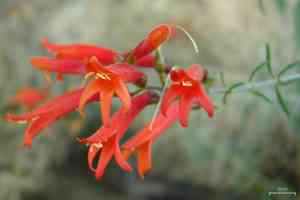
Keckiella coccinea is a bush-like specimen featuring brilliant crimson blossoms. The ideal period for trimming is in early spring or late winter, prior to the emergence of new shoots. Concentrate on excising deceased or compromised limbs and reducing crowded sections to enhance airflow. Trimming fosters a more robust, energetic plant and boosts bloom production. Verify that implements are keen for precise incisions, preventing needless harm. Consistent upkeep pruning aids in preserving its form and deters excessive growth, contributing to a more attractive look.
What Are the Benefits of Pruning Scarlet Keckiella?
What Are the Benefits of Pruning Scarlet Keckiella?
Scarlet keckiella thrives with trimming, leading to robust growth and a well-defined form, which encourages healthier development and a more attractive look.
What Is the Best Time for Pruning Scarlet Keckiella?
What Is the Best Time for Pruning Scarlet Keckiella?
Trimming or shaping scarlet keckiella in late winter or early spring is ideal as it coincides with the plant's dormant state. During dormancy, scarlet keckiella is not actively growing, which minimizes stress and lowers the chance of disease since cuts can heal before the active growth season. Early spring pruning also ensures the plant is shaped and managed before new growth starts, fostering healthy and strong development throughout the growing period. By timing the pruning just before the growing season, gardeners can avoid removing flower buds and ensure abundant blooming.
What Tools Do I Need to Prune Scarlet Keckiella?
Bypass Pruners
Perfect for precise, clean cuts on live stems and smaller branches of scarlet keckiella, ensuring healthy regrowth.
Lopping Shears
Useful for cutting thicker branches that may develop on scarlet keckiella, offering greater leverage and clean cuts.
Pruning Saw
Essential for removing larger, older branches or stems on scarlet keckiella that cannot be managed with pruners or loppers.
Hedge Shears
Helpful for shaping the plant and maintaining its aesthetic form, especially for hedge-like growth.
How to Prune Scarlet Keckiella
Inspect
Thoroughly examine scarlet keckiella to identify any diseased and withered leaves. Look for signs such as discoloration, spots, or completely dried sections.
Tools
Prepare sharp, clean pruning shears or scissors. Sterilize them with rubbing alcohol before use to avoid spreading pathogens.
Remove Diseased Leaves
Carefully cut off any diseased leaves. Make the cuts close to the joint where the leaf meets the stem but avoid cutting into the stem itself.
Remove Withered Leaves
Trim away any withered leaves, following the same method as for diseased leaves. Be sure to make clean cuts to promote healthy growth.
Disposal
Properly dispose of the removed leaves by bagging them and discarding them away from the garden area to prevent any disease from spreading back to scarlet keckiella. Ensure not to compost these leaves.
Common Pruning Mistakes with Scarlet Keckiella
Over-pruning
Removing too much of the plant at once can stress scarlet keckiella, reducing its ability to photosynthesize and thrive.
Improper cutting technique
Using dull or dirty tools can damage scarlet keckiella branches, making them susceptible to diseases and pests.
Pruning at the wrong time
Even though timing is not detailed here, ensuring not to prune during active growth periods is crucial to avoid disrupting scarlet keckiella's natural cycles.
Ignoring plant shape
Not considering the natural growth habit of scarlet keckiella can lead to a misshapen plant and compromise its structural integrity and aesthetics.
Cutting too close to the bud
Taking off too much of the stem close to a bud can damage it, preventing further growth and flowering from that bud.
Common Pruning Tips for Scarlet Keckiella
Use sharp, clean tools
Always use sharp and sterilized pruning shears or loppers to make clean cuts that heal quickly, reducing the risk of disease.
Identify dead or diseased wood
Begin by removing any dead or diseased branches to promote overall health and direct energy to new growth.
Maintain natural shape
Scarlet keckiella has a natural form that should be preserved; prune in a way that maintains its inherent structure and encourages balanced growth.
Moderate thinning
Thin out some of the inner branches to improve air circulation and light penetration, which helps prevent disease and promotes vigorous growth.
Small, incremental cuts
Prune in small steps rather than large chunks, assessing the plant's response before proceeding further.



