How to Prune Pineland water-willow?
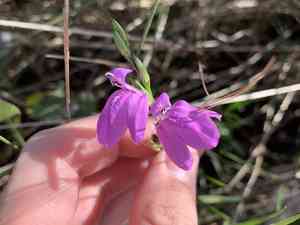
Recognizable by its graceful, slender foliage and subtle violet blossoms, pineland water-willow flourishes when trimmed in late winter or early spring. This period fosters robust development and peak blooming. Concentrate on excising deceased or injured stalks and reducing dense sections to boost air movement. Trimming stimulates denser, more vibrant growth and can elevate your garden's general appeal. Always employ sharp, sanitized implements to avert the spread of pathogens.
Advantages of Trimming Pineland Water-willow
Advantages of Trimming Pineland Water-willow
Trimming pineland water-willow encourages vigorous development and maintains its form, leading to a neater look and improved health. Regular cutting also boosts air circulation, lowers disease risk, and promotes abundant blooms, resulting in a more appealing and robust plant.
Optimal Period for Pruning Pineland Water-willow
Optimal Period for Pruning Pineland Water-willow
Pineland water-willow benefits from pruning during early spring and late winter for several reasons. Pruning in these seasons allows the plant to recover quickly before the active growing season. Furthermore, this timing helps avoid the risk of disease and pest infestation, which are less prevalent during colder months. Early spring and late winter pruning also ensure that pineland water-willow's energy is directed towards new growth and flowering, enhancing its overall health and vigor.
Required Tools for Pruning Pineland Water-willow
Hand Pruners
Perfect for precise cuts on smaller stems and branches of pineland water-willow, typically under 1/2 inch in diameter.
Bypass Pruners
Provides clean cuts that facilitate quicker healing, suitable for delicate stems of pineland water-willow.
Pruning Saw
Useful for cutting larger, woody branches of pineland water-willow that are too thick for hand pruners.
Loppers
Offer extra leverage for cutting thicker stems and branches of pineland water-willow, ranging from 1/2 inch to 1 inch in diameter.
Gloves
Crucial for protecting hands from sharp edges and thorns while handling pineland water-willow.
Disinfectant
Essential for cleaning tools between cuts to prevent the spread of disease among pineland water-willow plants.
How to Prune Pineland Water-willow
Sanitize tools
Before starting, ensure all pruning tools are clean and sanitized to prevent the spread of disease.
Inspect plant
Carefully examine pineland water-willow to identify any diseased or withered leaves that need to be removed.
Remove diseased leaves
Use sanitized pruning shears to cut away any diseased leaves, making cuts about an inch below the infected area.
Remove withered leaves
Trim withered leaves by cutting them back to the base or nearest healthy stem to maintain the plantâs shape and health.
Dispose prunings properly
Collect all pruned leaves and dispose of them away from the garden area to prevent any potential spread of disease.
Common Pruning Errors with Pineland Water-willow
Over-pruning
Removing too much foliage at once can stress pineland water-willow, reducing its ability to photosynthesize and potentially stunting its growth.
Improper technique
Using dull or dirty pruning tools can cause ragged cuts, making pineland water-willow more susceptible to disease and pest infestation.
Pruning at wrong nodes
Cutting too close to the base or at inappropriate nodes can hinder new growth and affect the plantâs overall shape and health.
Neglecting to sanitize tools
Failing to sterilize pruning tools between cuts can spread diseases from one part of pineland water-willow to another.
General Pruning Advice for Pineland Water-willow
Use sharp tools
Always use sharp, clean pruning shears to make clean cuts that heal quickly and reduce the risk of disease.
Follow the natural shape
Prune following the natural shape of pineland water-willow to encourage healthy growth and maintain its aesthetic appeal.
Remove dead and damaged wood
Regularly remove dead or damaged branches to prevent disease and encourage new, healthy growth.
Make angled cuts
Make cuts at a slight angle to allow water to run off easily, preventing rot at the cut sites.
Prune to promote airflow
Thin out dense areas to improve air circulation within pineland water-willow, reducing the risk of fungal diseases.



