How to Prune Redberry juniper?
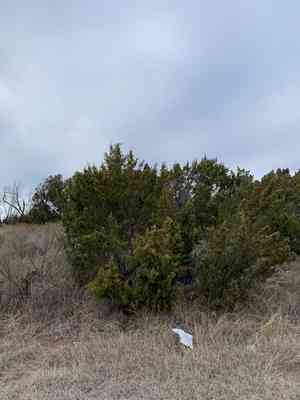
This evergreen bush flourishes in dry environments, featuring slender, pointed leaves. Essential trimming methods for redberry juniper involve carefully excising deceased or congested limbs to preserve its form and enhance air circulation. The most effective time for pruning is in winter while the plant is inactive, which reduces sap leakage and strain. Trimming additionally halts the dissemination of juniper blight by eliminating diseased sections, thereby boosting the plant's well-being and visual appeal. Employ sanitized, keen implements to avert the spread of pathogens during pruning.
What Are the Benefits of Pruning Redberry Juniper?
What Are the Benefits of Pruning Redberry Juniper?
Trimming redberry juniper promotes more robust development by eliminating dead or crowded limbs, enhancing air circulation and sun exposure. Regular shaping helps preserve its desired form, boosting redberry juniper's visual appeal in landscapes.
What Is the Best Time for Pruning Redberry Juniper?
What Is the Best Time for Pruning Redberry Juniper?
Trimming redberry juniper from late winter to early spring allows for the removal of any damaged or diseased branches before the plant allocates energy to new growth. This timing aids in fostering healthy development and minimizes plant stress as it prepares for the active growing season. Furthermore, since redberry juniper is a coniferous plant not typically cultivated for its flowers, pruning outside the growing season will not negatively impact blooming or fruiting cycles. Additionally, the plant's sap flow is reduced during this dormant period, lowering the risk of excessive bleeding which can attract pests or cause unnecessary harm.
What Tools Do I Need to Prune Redberry Juniper?
Hand Pruners
Perfect for trimming smaller branches and twigs of redberry juniper, hand pruners offer precision and are easy to handle for detailed shaping.
Loppers
Useful for reaching into the dense growth of redberry juniper and cutting thicker branches that hand pruners cannot manage.
Pruning Saw
For branches and stems too thick for loppers, a pruning saw is essential to make clean cuts without harming the rest of redberry juniper.
Hedge Shears
When shaping redberry juniper or trimming many small branches simultaneously, hedge shears provide an efficient method to maintain an even surface or desired form.
Gloves
Protective gloves are crucial to guard against the sharp needles of redberry juniper during the pruning process.
How to Prune Redberry Juniper
Clean cut
Sanitize your shears or saw with a solution of 1 part bleach to 9 parts water to prevent any disease spread while pruning redberry juniper.
Dead branches
Identify and remove any dead branches from redberry juniper by cutting them back to their point of origin or to a healthy lateral branch using sharp, clean tools.
Diseased branches
Examine redberry juniper for any indications of diseased branches, shown by discoloration or unusual growth, and trim these branches off well below the affected area to ensure the disease is completely eliminated.
Smooth cut
Make each cut smooth and clean to allow redberry juniper to heal properly, avoiding stubs which can lead to decay and disease entry points.
Disposal
Dispose of all removed dead or diseased branches appropriately, by burning or removing them off-site, to prevent disease or pests from spreading to healthy parts of redberry juniper.
Common Pruning Mistakes with Redberry Juniper
Over-pruning
Cutting back redberry juniper too severely can stress the plant, potentially leading to poor growth or disease susceptibility. Aim to remove no more than one-third of the foliage in a single pruning session.
Improper cuts
Making slanted cuts or leaving stubs can hinder the healing process of redberry juniper and create entry points for pests or diseases. Always make clean, straight cuts close to a lateral branch or the trunk.
Tearing bark
When pruning larger branches, the weight of the branch might tear the bark and damage the redberry juniper if not supported properly during the cut. Use the three-cut method for larger branches to prevent bark tearing.
Neglecting tool sanitation
Using dirty pruning tools can introduce harmful pathogens to redberry juniper. Disinfect tools before and after use to maintain plant health.
Ignoring plant shape
Random or excessive cutting without considering the natural shape of redberry juniper can lead to an unsightly and unhealthy plant. Always keep the natural form in mind while pruning.
Pruning for size reduction
Trying to reduce the overall size of a mature redberry juniper through pruning is a mistake. It's better to plant redberry juniper in a location where it can grow to its full size without extensive pruning.
Common Pruning Tips for Redberry Juniper
Selective thinning
Remove selected branches of redberry juniper to enhance the structure and allow light and air to penetrate the canopy. This can reduce disease pressure and improve plant health.
Cut to lateral branches
Make pruning cuts just above lateral branches that are facing the direction you want the new growth to take, which will help maintain the shape and density of redberry juniper.
Use sharp tools
Redberry juniper will benefit from clean cuts made by sharp, well-maintained pruning tools, which help reduce stress and speed recovery.
Prioritize dead or diseased wood
Remove dead, diseased, or damaged wood as soon as it's noticed to help redberry juniper direct its energy toward healthy growth.
Step back and observe
Frequently step back to monitor the overall form as you prune redberry juniper to ensure that you are creating a balanced, natural appearance.
Balance pruning
Aim for a balanced approach by pruning redberry juniper evenly throughout the plant to maintain stability and prevent lopsided growth.



