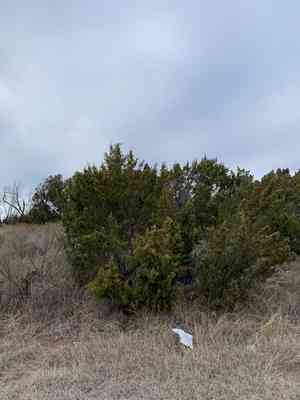
Redberry juniper (Juniperus pinchotii)
Also known as: Copper-berry juniper
The Southern Wax Myrtle (Myrica cerifera) is an evergreen tree native to the southern United States. It features gray bark that peels off in strips and produces small, berry-like fruit. This tree typically grows in wetland areas and along coastal regions.
In This Article
Attributes of Redberry juniper
Lifespan
Perennial
Plant Type
Tree, Shrub
Plant Height
1 m to 8 m
Spread
1.2 m
Leaf Color
Green
Flower Size
5 mm to 1 cm
Flower Color
Red Brown
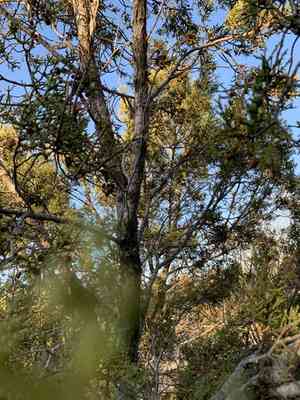
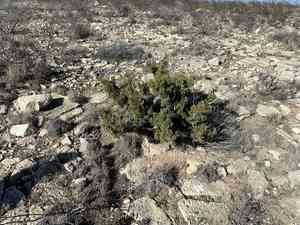
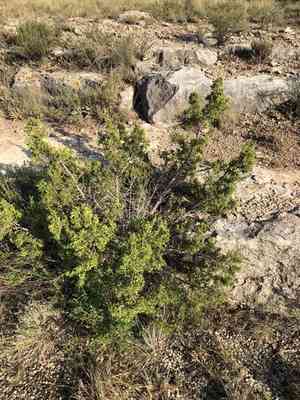
Images of Redberry juniper
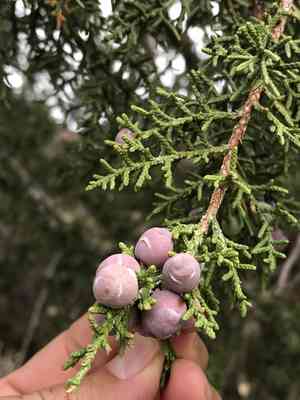
Quickly Identify Redberry juniper
1
Identification of Juniperus pinchotii is possible by looking at its scale-like leaves, reddish-brown bark, and red to orange berries. The leaves are typically arranged in opposite pairs or whorls of three. The presence of berry-like cones that are red to orange is also a distinctive feature.
Scientific Classification of Redberry juniper
Phylum
Vascular plants
Class
Conifers
Order
Pinales
Family
Cypress
Genus
Junipers
Species
Redberry juniper
Planting and Growing of Redberry juniper
Care Difficulty
Easy
Watering Schedule
Every 2 days
Sunlight Requirements
Full sun
Sunshine Duration
6-8 hours
Ideal Temperature
60-75℉
Soil Type
Potting Mix, Peat Mix
Soil pH
6.5-7.5
Fertilizer Type
Balanced
Pruning Season
Spring, Summer
Pruning Area
Branches, Leaves
Pruning Frequency
Once a year
Repotting Season
Spring
Pot Type
Plastic, Terracotta
 How to Water Redberry juniper?
For Juniperus pinchotii, water about 500 ml each time, ensuring the soil is moist but not soggy. This plant prefers well-drained soil, so make sure excess water can escape easily to avoid root rot.
What are the symptoms of an underwatered Redberry juniper?
›
What should I do if my Redberry juniper is not getting enough water?
›
What are the symptoms of an overwatered Redberry juniper?
›
How to save an overwatered Redberry juniper?
›
 What Are the Sunlight Requirements for Redberry juniper?
Juniperus pinchotii thrives best with full sun exposure, benefiting significantly from six to eight hours of sunlight. This promotes strong growth, improves disease resistance, and enhances its natural colors.
More About Sunlight Requirements Techniques→
What is the best location for Juniperus pinchotii?
›
How can I provide adequate light indoors?
›
What are the benefits of ideal lighting?
›
 What Is the Ideal Temperature Range for Redberry juniper?
Juniperus pinchotii thrives in an ideal temperature range between 60°F to 75°F. This range supports optimal growth, ensuring that the plant’s physiological processes occur efficiently. Maintaining temperatures within these boundaries facilitates proper nutrient uptake and minimizes stress, contributing to healthier and more robust development. A controlled environment with these temperatures provides the best conditions for thriving growth.
 What Soil is Best for Redberry juniper?
Juniperus pinchotii thrives best in well-drained soil conditions. Well-drained soil prevents water from accumulating around the roots, reducing the risk of root rot and promoting overall root health. This supports the plant's growth and longevity. While Juniperus pinchotii is not particularly fussy about soil fertility, a moderately fertile soil supports more robust growth. Ensuring the right amount of nutrients without over-fertilization can help maintain healthy foliage and more vigorous plant development. The plant benefits from soil with good aeration, allowing roots to access oxygen easily. Adequate soil aeration helps the plant manage moisture stress and enhances nutrient uptake, promoting vibrant growth and resilience.
 How to Fertilize Redberry juniper?
When it comes to fertilizing Juniperus pinchotii, it's essential to err on the side of caution. Typically, using a balanced, slow-release fertilizer, apply 1/2 cup per 10 square feet during the growing season to avoid over-fertilization. If using liquid fertilizers, dilute to half the recommended strength to ensure the plant receives the nutrients without causing stress.
 How to Prune Redberry juniper?
Ensure you have the right tools such as sharp pruning shears, gloves, and disinfectant for sterilizing equipment. Clean tools prevent the spread of diseases. Prepare a suitable working area where you have enough room to maneuver around the plant. Begin by trimming back any overgrown branches to maintain the desired shape and size. Focus on creating an airy canopy to promote better light and air penetration. Always cut back to a lateral bud or branch to encourage healthy growth. Regularly inspect the plant for any signs of disease or dead wood and remove these immediately. Cut at least six inches below any diseased part and dispose of the clippings properly to prevent contamination.
More About Pruning Techniques→
 How to Propagate Redberry juniper plant?
1
For seeds, collect ripe berries from mature plants, dry them, and extract the seeds. For cuttings, select healthy, non-flowering branches and cut sections about 4 to 6 inches long.
2
Use a well-draining medium like sand or a peat-perlite mix. This is important for preventing waterlogging and root rot in the young plants.
3
For seeds, plant them 1/4 inch deep. For cuttings, dip in rooting hormone and insert them into the medium. Keep them in a bright, indirect light area and maintain soil moisture.
 How to Repot Redberry juniper plant?
1
Juniperus pinchotii signals the need for repotting when you see roots emerging from drainage holes or its growth appears stunted due to restricted space. Additionally, if the soil is compacted or water is not draining properly, these are telltale signs. Ideally, repotting in spring or autumn allows roots to establish efficiently without extreme weather stress.
2
Choose a pot that is about 2 inches larger in diameter than the current one. This allows ample room for root expansion, promoting healthy growth. Make sure the pot has adequate drainage holes to prevent root rot due to waterlogging. Opting for a breathable material like terracotta can also help regulate soil moisture.
3
Select a well-draining, sandy soil mix to replicate the natural habitat of Juniperus pinchotii. This choice ensures proper aeration and prevents water retention, reducing the risk of root diseases. Incorporating perlite or pumice can enhance soil texture, providing a balanced environment for root growth.
Toxicity
Ingestion of berries or foliage
WARNING
The judgment on toxicity and danger is for reference only. We DO NOT GUARANTEE any accuracy of such judgment. Therefore, you SHALL NOT rely on such judgment. It is IMPORTANT TO SEEK PROFESSIONAL ADVICE in advance when necessary.



