How to Prune Torrey's rush?
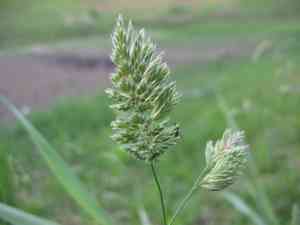
This enduring grass-like variety flourishes in marshy environments and prefers ample sunlight. For torrey's rush, regular removal of withered or discolored leaves preserves its vitality and aesthetic. Perform pruning in the spring or summer, coinciding with periods of vigorous development. Thoughtful elimination of aged stalks stimulates fresh growth and prevents excessive density. Trimming aids torrey's rush by enhancing air movement and lowering the likelihood of illness. Methods employed should be delicate to safeguard the plant's underground stems.
Advantages of Trimming Torrey's Rush
Advantages of Trimming Torrey's Rush
Trimming torrey's rush promotes strong development and maintains its desired outline, enhancing both vitality and appearance. Thoughtful cuts help reallocate energy for vigorous growth.
Optimal Period for Pruning Torrey's Rush
Optimal Period for Pruning Torrey's Rush
The ideal seasons for pruning torrey's rush are during Spring and Early Summer. This timing is perfect because these periods coincide with torrey's rush's active growth phase, allowing the plant to recover quickly from pruning stress and where trimming can stimulate new growth. Pruning in Spring, just before the growth season starts, helps remove any dead or damaged foliage from winter, giving torrey's rush a healthier beginning to the growing period. Early Summer pruning is also beneficial for shaping the plant or managing its size, ensuring it doesnât become too dense, which could lead to poor air circulation and potential disease issues. Furthermore, by pruning during these seasons, gardeners avoid disrupting torrey's rushâs late summer to fall flowering period. It is advisable not to prune in late fall or winter when the plant is dormant, as it can be more vulnerable to damage and will not recover until the next active growth cycle.
Essential Tools for Pruning Torrey's Rush
Sharp Scissors or Hand Pruners
These are perfect for making precise cuts on torrey's rush's relatively slender and flexible stems. A clean cut will help prevent harm to the plant structure and lower the risk of disease.
Gardening Gloves
Wearing gloves is recommended to shield hands from the rough texture of torrey's rush's stems, potentially wet conditions, and to maintain a firm grip on pruning tools.
Rubbing Alcohol or Disinfectant
Before and after pruning torrey's rush, tools should be sanitized to prevent the spread of disease. Clean tools ensure healthy cuts and reduce the risk of introducing pathogens to the plant.
How to Prune Torrey's Rush
Sanitize tools
Before starting, ensure all pruning tools are disinfected to prevent disease transmission to or from torrey's rush. Clean blades with a solution of one part bleach to nine parts water, or use isopropyl alcohol.
Diseased material removal
Carefully remove diseased leaves and stems from torrey's rush by cutting them back to the plant's base or to the next healthy node. This will prevent disease spread within the plant.
Wilted debris clearance
Identify any withered leaves on torrey's rush and trim these parts away. Cutting back to just above the healthy tissue encourages torrey's rush to produce new growth and maintains its appearance.
Clean cut technique
Make clean, angled cuts when removing diseased or withered parts from torrey's rush to promote healing and discourage water accumulation, which can lead to rot or fungal infections.
Dispose of waste
Properly dispose of all diseased material removed from torrey's rush by burning or bagging and removing from the site. Do not compost as it may harbor pathogens that could infect other plants.
Common Pruning Errors with Torrey's Rush
Over-pruning
Removing too much of torrey's rush's growth can harm the plant's natural structure and reduce its vigor. It's essential to prune conservatively, as this species does not require heavy pruning to thrive.
Inappropriate technique
Using dull or dirty tools can damage torrey's rush's stems, creating entry points for disease. Always use sharp and clean pruning shears to make clean cuts.
Ignoring plant health
Pruning torrey's rush when it is stressed or diseased can exacerbate its problems. It's important to assess the plant's health and only prune when it is in a robust state.
Indiscriminate cutting
Randomly cutting stems without understanding the growth pattern of torrey's rush can lead to a less attractive form and potentially impede its growth. Prune with intention, focusing on strategic stem removal.
Pruning for shape
Trying to sculpt torrey's rush into a specific shape is unnecessary and can be detrimental. Torrey's rush has a naturally attractive form that does not benefit from formal shaping.
General Pruning Advice for Torrey's Rush
Selective trimming
Focus on removing only dead, damaged, or diseased foliage from torrey's rush. This encourages healthier growth and allows the plant to devote energy to new, vigorous growth.
Timing and frequency
Prune torrey's rush only as needed rather than on a strict schedule. Frequent pruning is not necessary for this species, as it maintains its form well without intervention.
Height management
If height control is necessary, trim the tips of the stems. This method will maintain torrey's rush's natural form while keeping it at the desired size.
Water shoots and suckers
Remove any water shoots or suckers that may appear at the base of torrey's rush. These can divert energy from the main plant and are best removed to maintain the plant's overall health.
End-of-season care
After the growing season, trim any stems that have finished flowering to tidy up the plant and prepare it for the next burst of growth.



