How to Prune Oval-leaf clustervine?
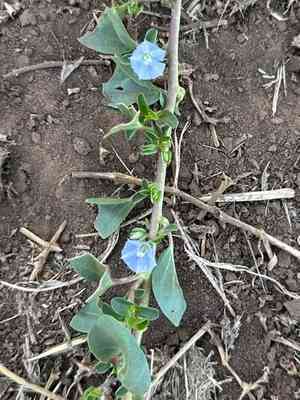
Oval-leaf clustervine is characterized by its clustered tendrils and ovate foliage. To achieve peak development, perform pruning in the latter part of winter or early spring, focusing on removing deceased or excessively long stems to foster robust new shoots. Lightly trim to preserve its form and promote thicker leaf density. Consistent trimming lowers the chances of illness and boosts flowering. Employ sanitized, keen implements to avert harm. Avoid excising over one-third of the plant at once, as this can induce strain.
What Are the Benefits of Pruning Oval-leaf Clustervine?
What Are the Benefits of Pruning Oval-leaf Clustervine?
Pruning oval-leaf clustervine encourages robust development and helps maintain its desired form. It boosts blooming, deters pests and diseases, and enhances its overall look, ensuring the plant stays healthy and manageable.
What Is the Best Time for Pruning Oval-leaf Clustervine?
What Is the Best Time for Pruning Oval-leaf Clustervine?
Trimming oval-leaf clustervine during late winter and early spring coincides with its dormant phase, minimizing plant stress. This period allows oval-leaf clustervine to recover and fosters strong, healthy growth for the upcoming season. Furthermore, pruning before active growth begins helps shape the plant and promotes more abundant flowering once the season commences.
What Tools Do I Need to Prune Oval-leaf Clustervine?
Hand Pruners
Perfect for accurate cuts on smaller branches and stems. Opt for bypass pruners for cleaner cuts and to lessen harm to living tissue.
Loppers
Useful for severing thicker branches that hand pruners cannot easily cut. Choose bypass loppers for clean cuts.
Pruning Saw
Essential for cutting through thicker, woody branches that loppers cannot manage. A compact folding saw is recommended for ease of use.
Hedge Shears
Excellent for shaping and maintaining the overall structure of oval-leaf clustervine, especially if you need to manage its spreading habits.
How to Prune Oval-leaf Clustervine
Prepare tools
Gather clean, sharp pruning shears and sanitize them to prevent the spread of disease.
Inspect plant
Thoroughly examine oval-leaf clustervine for any diseased or withered leaves that need to be removed. Look for signs of discoloration, wilting, or damage.
Cut diseased leaves
Carefully prune away the diseased leaves, making clean cuts just above a healthy node or bud. Ensure to remove any parts showing signs of infection to prevent further spread.
Remove withered leaves
Cut off any withered leaves close to their base, ensuring not to damage adjacent healthy foliage. This promotes better airflow and prevents pests.
Dispose properly
Dispose of all pruned diseased and withered leaves in a sealed bag or compost them away from healthy plants to avoid contamination.
Common Pruning Mistakes with Oval-leaf Clustervine
Improper technique
Using incorrect cutting tools or making jagged cuts can damage oval-leaf clustervine, leading to disease and poor regrowth.
Over-pruning
Removing too much foliage at once can stress oval-leaf clustervine, reducing flowering and overall plant health.
Wrong timing
Pruning at the wrong stage of the plant's growth cycle can result in fewer blooms or weakened plants, though specific timing has been excluded here.
Common Pruning Tips for Oval-leaf Clustervine
Clean tools
Always use clean, sharp pruning shears to make precise cuts and prevent the spread of diseases.
Selective cutting
Focus on removing dead or diseased branches first, then thin out crowded areas to improve airflow and light penetration without over-pruning.
Cut angle
Make cuts at a slight angle just above a leaf node to encourage new growth in the desired direction.



