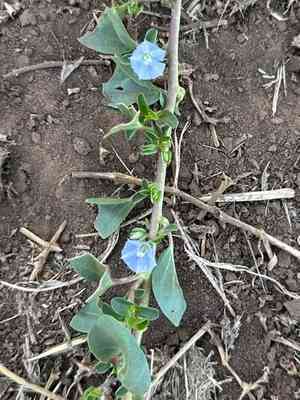
Oval-leaf clustervine (Jacquemontia ovalifolia)
Also known as: Beach Jacquemontia
The plant you’re referring to is likely the Oval-Leaf Clustervine (*Jacquemontia ovalifolia*). This vigorous, twining vine is distinguished by its heart-shaped leaves and small, striking blue to purplish flowers. It is highly adaptable, thriving in various soil conditions, especially in coastal and disturbed regions. Its dense greenery and blossoms not only add aesthetic value but also attract pollinators, playing a significant role in supporting local ecosystems.
In This Article
Attributes of Oval-leaf clustervine
Lifespan
Perennial
Plant Type
Vine, Herb
Plant Height
0 mm to 30 cm
Spread
Does not form a crown, as it is a twining vine
Leaf Color
Green
Flower Size
Approximately 1-2 cm
Flower Color
Pale blue to purple
Images of Oval-leaf clustervine
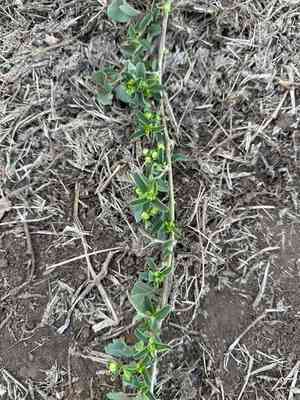
Quickly Identify Oval-leaf clustervine
1
Look for twining stems and heart-shaped leaves. The flowers are typically small with a pale blue to purple hue.
Scientific Classification of Oval-leaf clustervine
Phylum
Vascular plants
Class
Dicotyledons
Order
Solanales
Family
Morning-glory
Genus
Clustervines
Species
Oval-leaf clustervine
Planting and Growing of Oval-leaf clustervine
Care Difficulty
Easy
Watering Schedule
Every 4 days
Sunlight Requirements
Full sun
Sunshine Duration
6-10 hours
Ideal Temperature
65-80℉
Soil Type
Potting Mix, Peat Mix
Soil pH
6.5-7.5
Fertilizer Type
Balanced
Pruning Season
Spring, Summer
Pruning Area
Branches, Leaves
Pruning Frequency
2 times a year
Repotting Season
Spring
Pot Type
Plastic, Ceramic
 How to Water Oval-leaf clustervine?
Water Jacquemontia ovalifolia with approximately 250ml. Ensure the soil is moist but not waterlogged. Aim for even moisture distribution, allowing the upper layers of soil to dry slightly before rewatering.
What are the symptoms of an underwatered Oval-leaf clustervine?
›
What should I do if my Oval-leaf clustervine is not getting enough water?
›
What are the symptoms of an overwatered Oval-leaf clustervine?
›
How to save an overwatered Oval-leaf clustervine?
›
 What Are the Sunlight Requirements for Oval-leaf clustervine?
Jacquemontia ovalifolia flourishes with half to full sunlight exposure daily, allowing for robust stem and leaf development. This ideal range ensures optimal photosynthetic activity, boosting it to a vigorous state.
How much sunlight is ideal?
›
What are the solutions for ideal light?
›
What benefits come from ideal sunlight?
›
 What Is the Ideal Temperature Range for Oval-leaf clustervine?
Jacquemontia ovalifolia thrives best in temperatures that range from 65°F to 80°F. Within this range, the plant has optimal conditions for growth, including efficient photosynthesis and nutrient absorption. Maintaining this temperature range encourages lush foliage and prolific blooming. It mimics the plant's natural habitat, where moderate warmth aids in reducing physiological stress and enhancing overall vitality.
 What Soil is Best for Oval-leaf clustervine?
Jacquemontia ovalifolia thrives in well-drained soil. This type of soil prevents waterlogging, which can lead to root rot. By ensuring good drainage, the plant can access necessary nutrients and oxygen, promoting healthier growth and vibrant foliage. This plant favors soil rich in organic matter. Compost or organic fertilizer can improve soil fertility, providing essential nutrients required for robust growth. As a result, the plant develops stronger stems and an overall healthier appearance. Jacquemontia ovalifolia requires soil with sufficient depth for root expansion. This allows the roots to spread and stabilize the plant, ensuring it withstands environmental stressors like wind or drought, contributing to its longevity.
 How to Fertilize Oval-leaf clustervine?
For Jacquemontia ovalifolia, use a balanced liquid fertilizer with an NPK ratio of 10-10-10, diluted to half strength. For solid fertilizers, apply granules sparingly around the base of the plant, using about 1 tablespoon per square foot.
 How to Prune Oval-leaf clustervine?
Begin by inspecting your Jacquemontia ovalifolia for any dead, damaged, or diseased vines. These should be your first target as removing them improves overall plant health and directs the plant’s energy to healthy growth. Once unhealthy parts are removed, focus on shaping your vine. Trim back overgrown areas to maintain the desired size and shape. Aim to enhance its natural form without making it look too bare or structured. Make pruning cuts just above a set of healthy leaves or buds. This encourages new shoots to sprout from that point, promoting a bushier and more vibrant growth throughout the season. Routine pruning every quarter helps keep the plant in check and prevents it from becoming too leggy. Regular maintenance pruning also allows you to catch any developing issues early.
More About Pruning Techniques→
 How to Propagate Oval-leaf clustervine plant?
1
Harvest seeds when they are fully mature, usually indicated by a change in color or a dry, brittle texture. Clean the seeds by removing any attached plant material to prevent mold growth during storage.
2
Select healthy shoots of the plant and use sterilized pruning shears to cut 4-6 inch sections. Remove any leaves from the lower half to encourage root growth and prevent decay.
3
For division, gently dig up the plant and separate the rootball into smaller sections, ensuring each section has roots and shoots. Replant them promptly in well-draining soil to minimize stress.
 How to Repot Oval-leaf clustervine plant?
1
Jacquemontia ovalifolia typically requires repotting when you notice that the roots are circling the bottom of the pot or when the growth becomes stagnant. This generally occurs every two years. It's essential to repot during the growing season, preferably in spring or summer, to minimize stress.
2
Choose a pot that is one size larger than the current one with ample drainage holes. Using a slightly larger pot prevents the plant from becoming root-bound too quickly, encouraging healthier growth. Opt for clay pots as they promote aeration, helping to avoid root rot.
3
Select a well-draining potting mix that suits Jacquemontia ovalifolia's preference for dryness between waterings. A mix of peat, perlite, and coarse sand is ideal as it ensures moisture retention without waterlogging, providing the right balance for healthy root development.



