How to Prune Manyflowered ipomopsis?
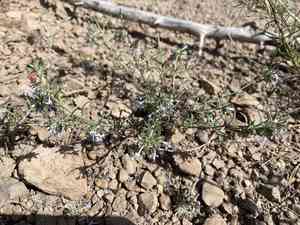
Manyflowered ipomopsis is recognized for its lively, abundant blooms. Essential trimming methods involve eliminating deceased or injured stalks and faded blossoms to stimulate fresh development. The most suitable periods for pruning are during spring and summer, coinciding with manyflowered ipomopsis's vigorous growth phases. Consistent trimming aids in preserving its form and encourages more prolific blooming. Make sure cuts are precise to prevent plant strain and possible disease. This routine not only improves the plant's well-being but also elevates its visual charm.
Advantages of Trimming Manyflowered Ipomopsis?
Advantages of Trimming Manyflowered Ipomopsis?
Manyflowered ipomopsis benefits from trimming as it encourages robust development and helps maintain the plant's form, ensuring a tidy look. Trimming also promotes healthier and more abundant blooms by eliminating dead or congested stems, boosting overall plant vigor.
Optimal Period for Trimming Manyflowered Ipomopsis?
Optimal Period for Trimming Manyflowered Ipomopsis?
Trimming manyflowered ipomopsis in spring or summer is ideal as these times align with the plantâs active growth phase. During this period, manyflowered ipomopsis is less likely to suffer stress from trimming because it can quickly recover and redirect its energy towards new growth. Spring trimming is especially advantageous as it fosters healthier and more vigorous flowering in the upcoming growing season. Summer trimming can assist in managing the plant's size and shape while also preventing overcrowding, allowing for improved air circulation and light penetration, which are vital for maintaining overall plant health.
Necessary Tools for Trimming Manyflowered Ipomopsis?
Hand pruners
Perfect for making precise cuts on slender stems and small branches of manyflowered ipomopsis. Ensure they are sharp and of good quality to prevent plant damage.
Bypass pruners
Useful for cutting live growth. The bypass mechanism guarantees accurate cuts, which is essential for preserving the health of manyflowered ipomopsis.
Pruning shears
These are excellent for trimming larger sections and shaping the growth of manyflowered ipomopsis. Choose shears with ergonomic handles for comfort during prolonged use.
Gloves
Wearing gardening gloves protects your hands from thorns and irritants when handling manyflowered ipomopsis. Select gloves that offer a good grip and flexibility.
How to Trim Manyflowered Ipomopsis
Inspect
Carefully examine manyflowered ipomopsis to identify any diseased leaves, withered leaves, and diseased stems. Use this initial assessment to understand the extent of the problematic areas.
Sanitize
Before making any cuts, disinfect your trimming tools with a solution of one part bleach to nine parts water to prevent the spread of disease.
Remove diseased leaves
Carefully trim away any diseased leaves at their base where they connect to the stem, ensuring removal of any visible signs of illness.
Remove withered leaves
Cut off withered leaves close to the stem, making clean cuts to promote healing and prevent further decay.
Remove diseased stems
Trim diseased stems back to healthy tissue, making the cut just above a node or a set of healthy leaves. If the entire stem is affected, remove it completely at its base.
Common Trimming Errors with Manyflowered Ipomopsis
Excessive trimming
Removing too much foliage can stress manyflowered ipomopsis and hinder its growth. It is crucial to avoid cutting back more than 25% of the plant at once.
Incorrect Technique
Using dull or dirty tools can cause jagged cuts that may introduce disease or pests. Always use sharp, clean pruning shears.
Trimming at the Wrong Time
While the best season for trimming is excluded, it's worth noting that trimming at the wrong growth stage can stunt the plant or reduce flowering potential.
Ignoring Dead or Damaged Parts
Failing to remove dead or damaged stems can lead to disease spread and reduced overall plant health.
General Trimming Advice for Manyflowered Ipomopsis
Utilize Sharp Tools
Always use sharp, clean scissors or pruning shears to make precise cuts, minimizing the risk of infection.
Trim Selectively
Focus on removing dead, damaged, or diseased stems first. Follow by thinning out overcrowded growth to improve air circulation and light penetration.
Make Clean Cuts
Cut at a 45-degree angle just above a healthy leaf node or bud to encourage healthy new growth and prevent water accumulation on the cut surface.
Maintain Plant Shape
Regularly trim to preserve the natural form and encourage a bushier appearance. Avoid drastic reshaping.



