How to Propagate Manyflowered ipomopsis?
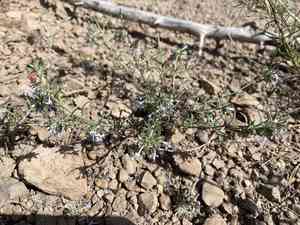
Ipomopsis multiflora flourishes in sandy, well-draining earth and needs ample sunlight. For vegetative reproduction via cuttings, choose robust stems and cut beneath a joint, detaching the bottom leaves. Apply a rooting stimulant to boost development, then insert the cutting into a damp medium. Preserve moisture levels around the cuttings with a plastic dome until roots emerge. Guarantee consistent hydration without oversaturation, and after establishment, progressively introduce them to outdoor environments.
Optimal Time for Manyflowered Ipomopsis Propagation
Propagation Method
Cutting
Propagation Period
Spring,Summer
Tools for Manyflowered Ipomopsis Propagation
Sterile Cutting Knife
A clean, sharp blade is crucial for taking cuttings from manyflowered ipomopsis. It ensures a precise cut, minimizing tissue damage and reducing the risk of disease.
Rooting Hormone
This compound promotes root development in manyflowered ipomopsis cuttings. Dip the cut end into the powder or gel to encourage faster and more robust root formation.
Sterile Plant Pots
Use small, sterile containers filled with a well-draining propagation mix to plant the cuttings. This minimizes the risk of fungal infections and provides an ideal environment for root development.
Propagator or Humidity Dome
Maintaining high humidity is crucial for manyflowered ipomopsis cuttings to prevent desiccation and promote root growth. A propagator or dome helps retain moisture and maintains a stable environment.
Misting Bottle
Regularly misting the cuttings helps maintain humidity levels and keeps the foliage hydrated, which is crucial for the health of manyflowered ipomopsis cuttings during the rooting process.
Heating Mat
Using a heating mat under the propagation trays provides consistent bottom heat, which accelerates root development in manyflowered ipomopsis. It creates a warm environment ideal for rooting.
Pruning Shears
Sterile pruning shears are useful for taking multiple cuttings efficiently. They ensure smooth cuts, which are essential to prevent damage to manyflowered ipomopsis's stems.
Labeling Stakes
Proper labeling with stakes or tags prevents mix-ups and ensures that each manyflowered ipomopsis cutting can be correctly identified during propagation and subsequent planting.
How to Propagate Manyflowered Ipomopsis?
Propagation Type
Easy
Caring for Your Newly Propagated Manyflowered Ipomopsis
Caring for Your Newly Propagated Manyflowered Ipomopsis?
After successful rooting, acclimate manyflowered ipomopsis to outdoor conditions gradually. Replant in well-draining soil in a sunny location. Water moderately, allowing the soil to dry between watering sessions. Prune regularly to maintain shape and encourage bushy growth. Protect manyflowered ipomopsis from extreme cold and monitor for pests or diseases.
Common Mistakes to Avoid When Propagating Manyflowered Ipomopsis
Overwatering
Excessive watering can lead to root rot, which is detrimental to manyflowered ipomopsis's health and can significantly reduce propagation success. The roots need a balance of moisture and air.
Improper Soil Selection
Using soil that is too rich or retains too much moisture can hinder manyflowered ipomopsis's growth. This plant prefers well-draining soil to prevent waterlogged conditions.
Excessive Fertilization
Applying too much fertilizer can cause nutrient imbalances and burn manyflowered ipomopsis's roots, stunting growth and weakening the plant.
Inadequate Light
Placing manyflowered ipomopsis in insufficient light can lead to weak growth and poor coloration. This plant thrives in well-lit conditions.
Ignoring Temperature Requirements
Failing to maintain appropriate temperature conditions can stress manyflowered ipomopsis. Extreme temperatures, either too hot or too cold, can affect the plantâs development and propagation success.
Tips For Propagating Manyflowered Ipomopsis
Proper Watering
Allow the soil to dry slightly between watering sessions. Ensure the plant is not sitting in water to avoid root rot.
Well-Draining Soil
Use a cactus or succulent mix to provide the necessary drainage. You can also amend regular potting soil with sand or perlite.
Moderate Fertilization
Use a balanced, slow-release fertilizer sparingly. Fertilize at half the recommended strength to avoid nutrient overload.
Ample Light Exposure
Place manyflowered ipomopsis in a location where it can receive full sunlight for at least 6 hours a day to ensure healthy growth.
Temperature Management
Maintain a consistent temperature within the plant's preferred range. Avoid exposure to extreme temperature fluctuations to reduce stress and improve propagation success.



