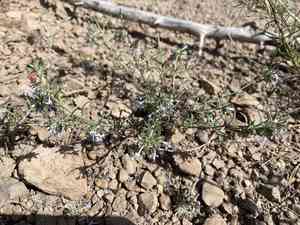
Manyflowered ipomopsis (Ipomopsis multiflora)
Also known as: Many-flower gilia
Ipomopsis multiflora, known as manyflowered gilia, holds traditional significance for the Zuni people. They use the powdered form of the entire plant to treat headaches by applying it to the face. Additionally, the plant is used for wound care. The Zuni also smoke the crushed blossoms in corn husks to alleviate sensations of choking.
In This Article
Attributes of Manyflowered ipomopsis
Lifespan
Perennial
Plant Type
Herb, Shrub
Plant Height
1 to 3 feet
Spread
1 to 2 feet
Leaf Color
Green
Flower Size
1 inch
Flower Color
Red, Pink
Images of Manyflowered ipomopsis
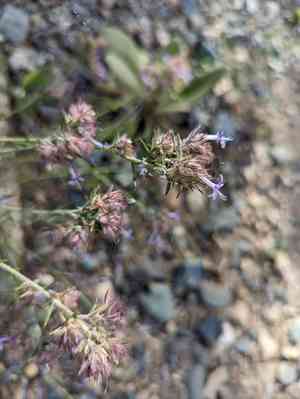
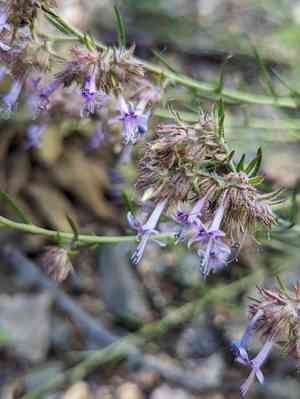
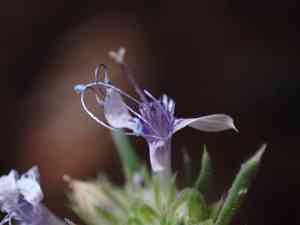
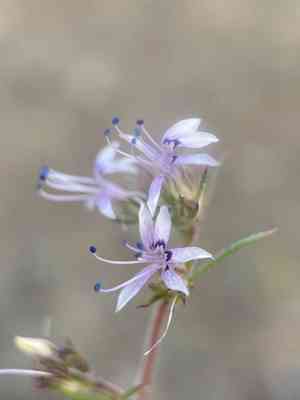
Quickly Identify Manyflowered ipomopsis
1
Ipomopsis multiflora can be identified by its bright tubular flowers, typically red or pink, growing in clusters. The leaves are finely divided and appear needle-like.
Scientific Classification of Manyflowered ipomopsis
Phylum
Vascular plants
Class
Dicotyledons
Order
Ericales
Family
Phlox
Genus
ipomopsis
Species
Manyflowered ipomopsis
Planting and Growing of Manyflowered ipomopsis
Care Difficulty
Moderate
Watering Schedule
Every 2 days
Sunlight Requirements
Full sun
Sunshine Duration
4-6 hours
Ideal Temperature
65-75℉
Soil Type
Potting Mix, Peat Mix
Soil pH
6.5-7.5
Fertilizer Type
Balanced
Pruning Season
Spring, Summer
Pruning Area
Branches, Leaves
Pruning Frequency
Once a year
Repotting Season
Spring
Pot Type
Plastic, Ceramic
 How to Water Manyflowered ipomopsis?
Ipomopsis multiflora prefers moderate watering. Ensure the soil is damp but not saturated, meaning water until about 200 ml seeps through the pot's drainage holes but does not pool above the soil.
What are the symptoms of an underwatered Manyflowered ipomopsis?
›
What should I do if my Manyflowered ipomopsis is not getting enough water?
›
What are the symptoms of an overwatered Manyflowered ipomopsis?
›
How to save an overwatered Manyflowered ipomopsis?
›
 What Are the Sunlight Requirements for Manyflowered ipomopsis?
Ipomopsis multiflora prefers full sun, meaning it should receive 6 to 8 hours of direct sunlight per day. This exposure supports robust growth and plentiful blooms.
What is the best light condition for Ipomopsis multiflora?
›
How can you ensure Ipomopsis multiflora gets ideal sunlight?
›
What benefits does Ipomopsis multiflora gain from ideal sunlight?
›
 What Is the Ideal Temperature Range for Manyflowered ipomopsis?
Ipomopsis multiflora thrives best within the temperature range of 65°F to 75°F. This is because this range mirrors the environment of its native habitat. Maintaining this temperature helps ensure optimal growth and flowering, providing the necessary warmth and light conditions which facilitate photosynthesis and nutrient uptake.
 What Soil is Best for Manyflowered ipomopsis?
Ipomopsis multiflora thrives in nutrient-rich soils that provide essential minerals. This ensures robust growth and vivid flowering. Amending the soil with compost before planting increases the organic matter, helping root development and moisture retention. A well-draining soil is crucial for preventing root rot in Ipomopsis multiflora. The plant favors soils that allow water to drain quickly, mitigating the risk of waterlogging—a common issue in heavy clay soils. Sandy loam is ideal for ensuring proper drainage. While Ipomopsis multiflora requires good drainage, moderate moisture retention supports sustained hydration without saturation. Soils like loam, which offer a good balance between draining and retaining moisture, are particularly beneficial.
 How to Fertilize Manyflowered ipomopsis?
Ipomopsis multiflora requires moderate fertilization, as excessive nutrients can harm its growth. Approximately 1 teaspoon of liquid fertilizer diluted in a gallon of water is ideal during the growing season. For solid fertilizers, a small handful spread evenly around the base is sufficient.
 How to Prune Manyflowered ipomopsis?
Begin by assessing the overall shape of your Ipomopsis multiflora. Using sharp, clean pruning shears, trim back any overgrown branches. Target stems that detract from a bushy appearance, cutting just above a leaf node to encourage bushier new growth. Keep an eye out for branches that are crossing each other, which can cause damage. To promote a more vibrant display of flowers, pinch back the growing tips of the plant. This should be done early in the season to avoid cutting off flower buds that have already formed. By removing these tips, the plant will focus energy on developing flowers rather than growing taller stems.
More About Pruning Techniques→
 How to Propagate Manyflowered ipomopsis plant?
1
To propagate Ipomopsis multiflora, begin by preparing a seed tray with sterile potting mix. This ensures the seeds have a clean environment free from weeds and pathogens.
2
Sow the seeds on the surface of the potting mix, lightly pressing them into the soil. Ensure they are evenly spaced to provide room for each seedling to grow and access nutrients.
3
Mist the seeds lightly with water to keep the soil moist but not waterlogged. Consistent moisture is key for successful germination and should be maintained until seedlings are established.
 How to Repot Manyflowered ipomopsis plant?
1
Ipomopsis multiflora needs repotting when the roots begin to circle the pot or visibly escape through the drainage holes. You may also notice stunted growth or quicker drying of soil, which are signals that the plant has outgrown its current environment.
2
Select a pot that is only slightly larger than the current one, with ample drainage holes. A pot that is too large can retain excess moisture, leading to root rot. A correctly sized pot provides just the right space for gradual growth without overwhelming the plant.
3
Opt for a well-draining sandy loam mix to ensure adequate aeration and prevent waterlogging. This type of soil mimics the plant's natural conditions, encouraging healthy root growth and reducing the risk of rot and other moisture-related issues.
Learn More About Manyflowered ipomopsis Diseases
Anthracnose
Bacterial Leaf Spot
Bacterial Wilt
Crown Gall
Cyst Nematode
Damping-off
Downy Mildew
Drought Stress
Fusarium Wilt
Gray Mold
Leaf Spot
Mosaic
Nutrient Deficiency
Nutrient Toxicity
Powdery Mildew
Root Rot
Root-knot Nematode
Rusts
Sooty Mold
Spider Mites
Temperature Stress
Thrips Damage
White Mold



