How to Prune Cardinal creeper?
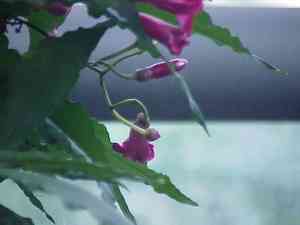
This rapidly developing, perennial vine, featuring vivid flowers, benefits from judicious pruning to preserve its form and foster denser development. Due to its perpetual growth pattern, cardinal creeper can be trimmed throughout the year, preferably following a period of abundant flowering to stimulate additional blossom formation. Eliminate any deceased or frail stems to enhance air movement and the plant's well-being. Consistent, gentle trimming, as opposed to drastic reductions, guarantees the vigor of cardinal creeper, thereby augmenting its aesthetic value.
What Are the Benefits of Pruning Cardinal Creeper?
What Are the Benefits of Pruning Cardinal Creeper?
Trimming cardinal creeper promotes abundant flowering, stimulates robust development, and maintains a preferred form, ultimately yielding a visually pleasing and thriving plant.
What Is the Best Time for Pruning Cardinal Creeper?
What Is the Best Time for Pruning Cardinal Creeper?
Cutting cardinal creeper in late winter or early spring, just prior to its active growth period, helps foster strong growth and plentiful blooms. Pruning at this time allows for the removal of any damaged or dead parts from the previous season without harming new shoots. Additionally, it aids in shaping the plant and managing its size as it enters its most vigorous growth phase, thereby preserving its beauty and vitality. Avoiding pruning during peak summer or winter dormancy can prevent undue stress on cardinal creeper.
What Tools Do I Need to Prune Cardinal Creeper?
Bypass Pruners
These are perfect for making precise cuts on cardinal creeper's thinner stems. The scissor-like action of bypass pruners helps prevent crushing plant tissues, which is vital for maintaining cardinal creeper's health.
Loppers
For thicker, woody stems of cardinal creeper, loppers extend your reach and provide the necessary leverage for larger cuts without harming the plant.
Pruning Saw
A pruning saw is essential for the mature and potentially very thick stems of cardinal creeper. Its serrated blade is designed to cut through woodier sections without tearing.
Gloves
Hand protection is crucial when pruning cardinal creeper, as you will be handling the plant and potentially sharp tools.
Safety Glasses
To shield your eyes from any debris that may arise from pruning cardinal creeper.
How to Prune Cardinal Creeper
Sterilize
Prepare your pruning implements by cleaning and sanitizing them to prevent the spread of disease to cardinal creeper.
Remove diseased parts
Carefully eliminate any diseased leaves and branches from cardinal creeper. Ensure cuts are made into healthy tissue to prevent further infection.
Trim withered elements
Snip off withered leaves and flowers from cardinal creeper to encourage healthy growth and improve air circulation, which can lessen disease risk.
Cut dead branches
Cut back dead branches on cardinal creeper to the point where they meet healthy wood, using clean cuts to promote rapid healing.
Maintain shape
Lightly trim back overgrowth on cardinal creeper to maintain its desired form and support vigor. Focus on removing any stems that disrupt the shape without heavy cutting to preserve blooming potential.
Common Pruning Mistakes with Cardinal Creeper
Overpruning
Removing too much growth at once can stress cardinal creeper, leading to reduced flowering and vitality. Aim to prune no more than one-third of the plant at a time.
Neglecting tool hygiene
Using uncleaned pruning tools can introduce pests or diseases to cardinal creeper. It is important to clean and sterilize tools before use.
Improper cuts
Making cuts too close to the bud or node, or leaving a large stub, can result in poor healing and disease entry in cardinal creeper.
Random cutting
Pruning without a strategy may lead to uneven growth and a less aesthetically pleasing shape of cardinal creeper.
Ignoring dead material
Failing to remove dead or diseased material can hinder the health and growth of cardinal creeper as it expends resources on non-viable parts.
Common Pruning Tips for Cardinal Creeper
Sharp tools
Always use sharp, clean pruning tools for precise cuts that heal quickly on cardinal creeper.
Angle cuts
Make cuts at a 45-degree angle a few millimeters above buds or branching points to encourage proper healing and new growth in cardinal creeper.
Thin out
Thin out dense growth to improve air circulation and sunlight exposure, which will promote the health and flower production of cardinal creeper.
Shape control
Regularly prune to maintain the desired shape and contain cardinal creeper's vigorous growth within its support structure.
Promote strong structure
Prune away weak, thin, or crossing stems to foster a stronger plant structure and better display of cardinal creeper's blooms.



