
Cardinal creeper (Ipomoea horsfalliae)
Also known as: Prince kuhio vine
Cardinal creeper (Ipomoea horsfalliae) is a vibrant evergreen climber originating from South America. It flourishes in nutrient-rich, well-drained soil and requires a sunny spot for best results. In its natural habitat, hummingbirds are primary pollinators. This plant is popular in gardens for its striking ruby-red or magenta blooms and lush, dark green leaves.
In This Article
Attributes of Cardinal creeper
Lifespan
Perennial
Plant Type
Herb, Vine
Plant Height
1.8 m to 9 m
Spread
Indeterminate, vines can spread extensively
Leaf Color
Green
Flower Size
4 cm to 7 cm
Flower Color
Pink Red Purple Blue
Images of Cardinal creeper
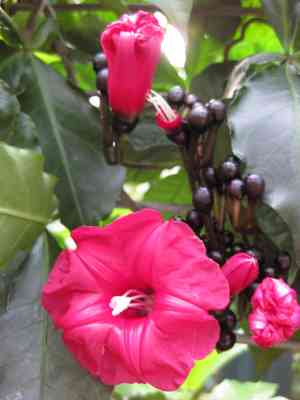
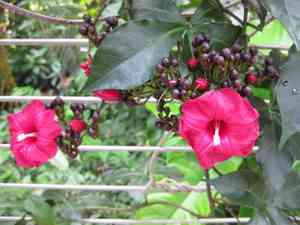
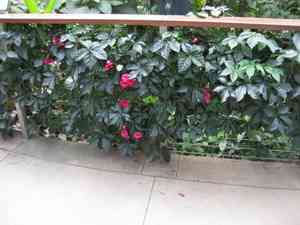
Quickly Identify Cardinal creeper
1
This plant can be identified by its distinctive bright red trumpet-shaped flowers and heart-shaped leaves. It is a fast-growing vine that tends to climb on structures or sprawl over the ground.
Scientific Classification of Cardinal creeper
Phylum
Vascular plants
Class
Dicotyledons
Order
Solanales
Family
Morning-glory
Genus
Morning glories
Species
Cardinal creeper
Planting and Growing of Cardinal creeper
Care Difficulty
Easy
Watering Schedule
Every 4 days
Sunlight Requirements
Partial sun
Sunshine Duration
4-8 hours
Ideal Temperature
65-75℉
Soil Type
Potting Mix, Peat Mix
Soil pH
6.5-7.5
Fertilizer Type
Balanced
Pruning Season
Spring, Summer
Pruning Area
Branches, Leaves
Pruning Frequency
2 times a year
Repotting Season
Spring
Pot Type
Plastic, Ceramic
 How to Water Cardinal creeper?
Ipomoea horsfalliae requires consistent moisture without waterlogging the roots. Water it thoroughly until the soil is evenly moist but not soggy. Aim for a balance where the soil remains slightly damp to the touch without forming puddles.
What are the symptoms of an underwatered Cardinal creeper?
›
What should I do if my Cardinal creeper is not getting enough water?
›
What are the symptoms of an overwatered Cardinal creeper?
›
How to save an overwatered Cardinal creeper?
›
 What Are the Sunlight Requirements for Cardinal creeper?
This plant thrives in partial sun to full sun conditions, ideally receiving morning sun and afternoon shade. Proper light exposure ensures Ipomoea horsfalliae grows healthily with abundant blooming.
More About Sunlight Requirements Techniques→
Best Spot for Ipomoea horsfalliae
›
Optimal Growth Environment
›
Benefits of Proper Lighting
›
 What Is the Ideal Temperature Range for Cardinal creeper?
Ipomoea horsfalliae thrives in temperature conditions between 65°F to 75°F. This range supports optimal growth and blooming, allowing the plant to maintain its metabolic processes efficiently. Ensuring this temperature range can help in achieving vibrant foliage and continuous flowering.
 What Soil is Best for Cardinal creeper?
Ipomoea horsfalliae thrives best in well-draining soil to prevent root rot, ensuring robust growth and vibrant blooms. A nutrient-rich soil supports healthy foliage and promotes extended flowering periods for Ipomoea horsfalliae. While the soil should be well-draining, retaining some moisture is beneficial during dry spells, ensuring continuous growth.
 How to Fertilize Cardinal creeper?
For Ipomoea horsfalliae, appropriate fertilization means neither starving the plant nor overloading it. Use liquid fertilizers at half the recommended strength to avoid fertilizer burn, especially during the peak growing season. A balance of nutrients is crucial—too much nitrogen, for example, can lead to lush foliage with few flowers. Applying a balanced 10-10-10 NPK fertilizer at a rate of about 1/2 teaspoon per gallon of water is usually appropriate during the growing months.
 How to Prune Cardinal creeper?
Begin by examining the plant, looking for dead or damaged vines. Trim these back to healthy growth points. Next, cut back any excessively long or unruly vines, promoting bushier growth. Focus on a balanced shape, removing no more than one-third of the plant to avoid stress. Prune in the early morning or late afternoon to avoid the midday sun.
More About Pruning Techniques→
 How to Propagate Cardinal creeper plant?
1
Before taking cuttings, ensure the parent plant is healthy and free from disease. Water it a day before to ensure the cuttings are hydrated and have sufficient internal water content.
2
Select healthy stems and use pruning shears to cut sections approximately 4-6 inches long. Each cutting should have at least two to three nodes and the bottom leaves should be removed.
3
Dip the cut end of each cutting into rooting hormone and plant it in a well-draining potting mix. Cover the cuttings with a plastic bag to retain humidity, ensuring it does not touch the plants.
 How to Repot Cardinal creeper plant?
1
Ipomoea horsfalliae needs repotting when you notice roots poking out from the drainage holes. It's also time if the soil dries out too quickly or if the plant appears top-heavy. These signals suggest that your plant has outgrown its current container and needs more space to thrive.
2
Opt for a pot that is one size larger than the current one, with ample drainage holes at the bottom. Choosing a clay pot can be particularly beneficial as it allows excess moisture to evaporate, reducing the risk of root rot and keeping the root system healthy.
3
A well-draining, rich loam soil is ideal for this plant. The soil should allow for easy water flow and contain organic material to provide nutrients. This mix ensures your plant avoids waterlogged roots and receives adequate nutrients for robust growth.
Toxicity
Ingestion
WARNING
The judgment on toxicity and danger is for reference only. We DO NOT GUARANTEE any accuracy of such judgment. Therefore, you SHALL NOT rely on such judgment. It is IMPORTANT TO SEEK PROFESSIONAL ADVICE in advance when necessary.
Learn More About Cardinal creeper Diseases
Anthracnose
Bacterial Leaf Spot
Bacterial Soft Rot
Bacterial Wilt
Damping-off
Downy Mildew
Drought Stress
Fusarium Wilt
Gray Mold
Leaf Spot
Mosaic
Nutrient Deficiency
Nutrient Toxicity
Powdery Mildew
Root Rot
Root-knot Nematode
Rusts
Sooty Mold
Spider Mites
Temperature Stress
Thrips Damage
White Mold



