How to Prune Coastal indigo?
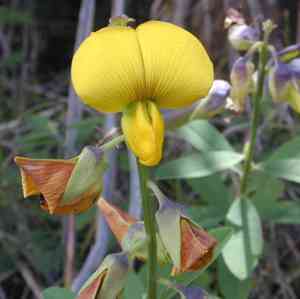
Coastal indigo, a blooming species within the Fabaceae family, displays vivid red-orange flowers and flourishes in temperate environments. Successful trimming of coastal indigo entails excising deceased or ailing limbs, reducing crowded foliage, and sculpting for visual appeal, usually in spring or summer to foster development. During pruning, precise cuts close to branch collars facilitate recovery. Trimming not only preserves coastal indigo's well-being but also incites blooming, elevating its decorative charm.
Why Prune Coastal Indigo?
Why Prune Coastal Indigo?
Trimming coastal indigo is crucial for maintaining its vitality and desired form. Strategic cuts encourage new growth, ensuring the plant remains full and strong. Regular shaping helps keep it contained and preserves garden aesthetics.
When Is the Best Time to Prune Coastal Indigo?
When Is the Best Time to Prune Coastal Indigo?
Pruning coastal indigo in late spring or early summer is optimal, aligning with its post-flowering period. This allows gardeners to shape the plant and stimulate new growth without sacrificing future blooms. During this time, the risk of frost damage has passed, making newly pruned areas less vulnerable to cold stress. Additionally, pruning in these seasons promotes vigor and prepares coastal indigo for active growth, where healing and regrowth are maximized due to warmer temperatures and increased sunlight. This timing also prevents the removal of buds formed in summer that will flower the following season, thus preserving the plant's natural flowering cycle.
What Tools Are Needed to Prune Coastal Indigo?
Hand Pruners
Perfect for cutting branches up to 3/4 inch thick, hand pruners offer the precision needed for shaping coastal indigo without causing unnecessary harm.
Bypass Loppers
Suitable for branches between 3/4 inch and 2 inches thick, bypass loppers allow gardeners to reach into denser areas of coastal indigo for clean cuts.
Pruning Saw
For branches exceeding 2 inches in thickness, a pruning saw is recommended. Coastal indigo may develop some larger limbs requiring a saw for removal.
Hedge Shears
If intricate shaping or hedge maintenance is desired, hedge shears are ideal for creating clean lines and promoting bushier growth.
Gloves
Wearing gloves is essential to protect hands from thorns or rough bark while pruning coastal indigo.
Pruning Sealer
Applying a pruning sealer after cutting large branches can help protect coastal indigo from disease and pests.
How to Prune Coastal Indigo
Clean Tools
Before beginning, sanitize your pruning tools with a solution of one part bleach to nine parts water to prevent disease spread.
Inspect
Examine coastal indigo for signs of disease or withered leaves, distinguishing them from healthy growth. Focus on the parts of coastal indigo specified in the 'Trim_parts' input.
Remove Diseased Leaves
Carefully trim off diseased leaves from coastal indigo by cutting at the base of the stem. Avoid tearing, as clean cuts heal faster and are less prone to further disease.
Remove Withered Leaves
Cut back withered leaves to the point of healthy tissue to encourage the growth of new, healthy leaves on coastal indigo.
Remove Diseased Stems
Identify and remove any diseased stems from coastal indigo by making cuts at least a few inches below the diseased parts into healthy tissue to prevent infection spread.
Common Pruning Errors with Coastal Indigo
Overpruning
Removing too much growth at once can shock coastal indigo, leading to stunted development or a weakened plant more susceptible to diseases and pests.
Improper Cut Locations
Cutting too close or too far from the branch node can either damage the node or leave a stub that can harbor pests and disease.
Using Dull Tools
Dull pruning tools can cause jagged cuts that heal slowly and are more vulnerable to infections. It's important to use sharp, clean pruners.
Pruning During Active Growth
While the timing has been mentioned elsewhere, it's worth reiterating that pruning coastal indigo when it's in an active growth phase can be a misstep, as it may hinder growth and flowering.
Neglecting Plant Shape
Not considering the natural shape and growth habit of coastal indigo can result in an unbalanced or unattractive shape after pruning.
General Pruning Advice for Coastal Indigo
Cutting Technique
Make clean, angled cuts just above a leaf node or branching point to encourage new growth in the desired direction and facilitate quick healing.
Selective Pruning
Thin out dense areas by selectively removing some stems at their base to improve air circulation and light penetration, which can help boost flowering and reduce disease risk.
Maintenance Pruning
Regularly remove dead or damaged stems as well as weak, leggy growth to maintain plant vigor and a tidy appearance.
Rejuvenation Pruning
Occasionally, coastal indigo may benefit from more aggressive pruning to reinvigorate older plants or to control size. However, this should be done carefully and not too frequently.
Post-Bloom Pruning
While avoiding the best season, it's advisable to prune after flowering to shape the plant and remove spent blooms, which can encourage a healthier plant and possibly a second bloom.



