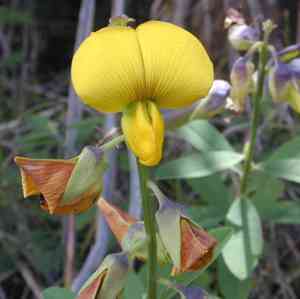
Coastal indigo (Indigofera miniata)
Also known as: Scarlet-Pea
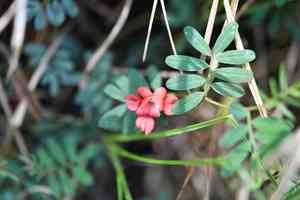
Coastal indigo (Indigofera miniata) features vibrant pink flowers that attract a variety of pollinators, including birds, butterflies, and bees. Blooming from early spring through late autumn, this plant adds long-lasting color to xeriscape gardens. Its trailing stems and low-growing habit, combined with its excellent drought tolerance, make it an ideal choice for water-efficient landscaping.
In This Article
Attributes of Coastal indigo
Lifespan
Perennial
Plant Type
Herb
Plant Height
20 cm
Spread
45 cm to 60 cm
Leaf Color
Green Blue
Flower Size
1.3 cm
Flower Color
Pink Orange
Images of Coastal indigo
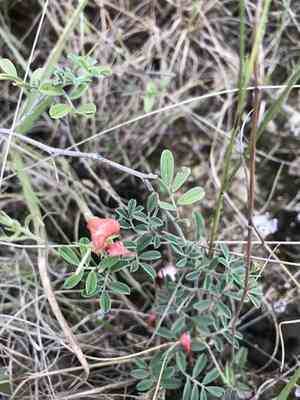
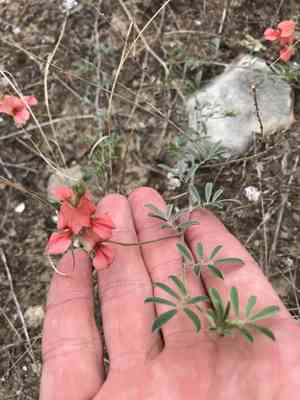
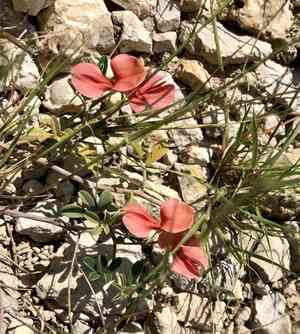
Quickly Identify Coastal indigo
1
Look for a shrub with bright red flowers and compound leaves with multiple small leaflets. The plant typically grows in clusters and may have a slightly woody stem.
Scientific Classification of Coastal indigo
Phylum
Vascular plants
Class
Dicotyledons
Order
Fabales
Family
Legume
Genus
Indigofera
Species
Coastal indigo
Planting and Growing of Coastal indigo
Care Difficulty
Easy
Watering Schedule
Every 3 days
Sunlight Requirements
Partial sun
Sunshine Duration
4-6 hours
Ideal Temperature
65-75℉
Soil Type
Potting Mix, Peat Mix
Soil pH
6.5-7.5
Fertilizer Type
Balanced
Pruning Season
Spring, Summer
Pruning Area
Branches, Leaves
Pruning Frequency
2 times a year
Repotting Season
Spring
Pot Type
Plastic, Terracotta
 How to Water Coastal indigo?
The plant, Indigofera miniata, requires watering until the soil is moist but not soaking wet, adhering to a careful soaking principle. Ensure that water reaches deep into the roots without leaving the soil waterlogged. This usually means giving it around 300 ml per watering session.
What are the symptoms of an underwatered Coastal indigo?
›
What should I do if my Coastal indigo is not getting enough water?
›
What are the symptoms of an overwatered Coastal indigo?
›
How to save an overwatered Coastal indigo?
›
 What Are the Sunlight Requirements for Coastal indigo?
Partial sun exposure ensures sufficient photosynthesis for growth, strong blooms, and prevents overheating. Ideal lighting boosts Indigofera miniata's vitality and flowering potential.
More About Sunlight Requirements Techniques→
What is the best location for my plant?
›
How can I ensure my plant gets ideal lighting?
›
What happens if Indigofera miniata gets the right amount of sunlight?
›
 What Is the Ideal Temperature Range for Coastal indigo?
For optimal growth, Indigofera miniata thrives in temperatures ranging from 65°F to 75°F. This range provides the warmth necessary for photosynthesis and proper enzyme activity, ensuring healthy development and flowering.
 What Soil is Best for Coastal indigo?
Indigofera miniata thrives in soils that offer excellent drainage. This prevents root rot, ensuring the roots receive proper oxygen and nutrients without being waterlogged. The plant prefers soil rich in organic matter. This boosts growth by providing essential nutrients, promoting lush foliage and vibrant flowers. While good drainage is key, the soil should retain enough moisture to support sustained growth. Balancing these aspects ensures healthy soil structure and root development.
 How to Fertilize Coastal indigo?
Indigofera miniata benefits from a balanced fertilizer that provides essential nutrients without excess. For liquid fertilizers, aim for a diluted concentration, typically one-quarter of the recommended strength on the packaging, ensuring gentle nourishment.
 How to Prune Coastal indigo?
Begin by inspecting the plant for any dead or damaged branches. Remove these first, cutting at a point slightly above healthy growth. Next, focus on shaping the plant by trimming back overgrown areas. Make your cuts above leaf nodes to encourage new growth. For a bushier appearance, pinch back the tips of new growth. This promotes branching and fuller foliage. Remember to stand back occasionally to assess the shape and balance of the plant. While Indigofera miniata can be pruned all year round, it's best to perform more intensive pruning in early spring before new growth starts. This timing allows the plant to recover and flourish throughout the growing season. For light maintenance, pruning can be done during the summer and autumn months to remove any spent flowers or minor overgrowth.
More About Pruning Techniques→
 How to Propagate Coastal indigo plant?
1
Indigofera miniata seeds should be collected from mature pods that have dried out on the plant. Ensure that you gather them before they disperse naturally.
2
Select healthy, non-flowering stems and cut sections about 4-6 inches long. Remove lower leaves, leaving a few at the top to reduce water loss.
3
Dip the cut end in rooting hormone and place the cuttings in a pot filled with moist, well-draining soil. Maintain high humidity by covering with a plastic bag or using a propagator.
4
Sow seeds in a light, well-draining seed-starting mix. Cover lightly with soil and keep consistently moist until germination occurs, usually within 2-3 weeks.
 How to Repot Coastal indigo plant?
1
Indigofera miniata should be repotted when you notice roots emerging from the drainage holes or the plant appearing bound in its current pot. This often occurs every two to three years. Repotting during early spring or summer ensures that the plant has ample growing time to establish in the new pot before its growth period ends.
2
Choose a pot slightly larger than the current one and ensure it has good drainage holes. Opting for a pot made from breathable materials like terracotta can help improve aeration, promoting healthier root growth and reducing the risk of root rot that may occur with Indigofera miniata.
3
Use a well-draining soil mix that replicates its natural habitat. A mix that combines standard potting soil with sand or perlite helps maintain moisture balance while preventing waterlogging. This medium supports robust root development for Indigofera miniata.
Toxicity
Ingestion
WARNING
The judgment on toxicity and danger is for reference only. We DO NOT GUARANTEE any accuracy of such judgment. Therefore, you SHALL NOT rely on such judgment. It is IMPORTANT TO SEEK PROFESSIONAL ADVICE in advance when necessary.
Learn More About Coastal indigo Diseases
Anthracnose
Bacterial Leaf Spot
Bacterial Wilt
Crown Gall
Cyst Nematode
Damping-off
Downy Mildew
Drought Stress
Fusarium Wilt
Gray Mold
Leaf Curl
Leaf Spot
Mosaic
Nutrient Deficiency
Nutrient Toxicity
Powdery Mildew
Root Rot
Root-knot Nematode
Rusts
Sooty Mold
Spider Mites
Temperature Stress
Thrips Damage
White Mold



