How to Prune Mate?
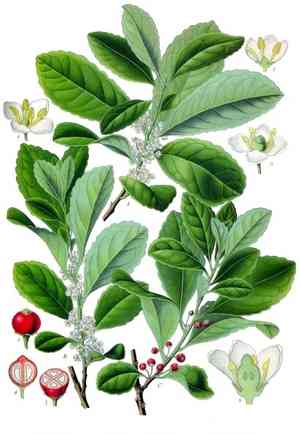
Valued for its foliage in tea creation, mate is a resilient evergreen shrub that greatly benefits from trimming to boost leaf output and encourage dense development. Trim mate during late winter prior to the emergence of new spring shoots. At this juncture, eliminate any deceased or excessively dense branches, and shorten them to preserve the plant's compact form. Consistent trimming sustains plant vigor, stimulates fresh development, and guarantees peak leaf generation, which is vital for its main application. This routine also aids in controlling the plant's dimensions and appearance for visual appeal.
Advantages of Trimming Mate
Advantages of Trimming Mate
Trimming mate promotes robust development and helps maintain its desired form. Regular cutting enhances light penetration and air movement, crucial for healthy growth and lowering disease risk.
Optimal Time for Trimming Mate
Optimal Time for Trimming Mate
Trimming mate during winter is ideal as the plant is dormant, reducing stress and minimizing sap loss that can attract pests. This timing also allows for clearer visibility of the plant's structure, enabling more precise cuts. Additionally, winter trimming prepares mate for vigorous spring growth by removing old or dead wood and shaping the plant for optimal health and productivity in the upcoming growing season.
Tools Required for Trimming Mate
Hand Pruners (Secateurs)
These are suitable for making accurate cuts on smaller, thinner mate branches, typically those under 3/4 inches in diameter. Perfect for shaping the plant and removing dead or diseased wood without causing undue stress.
Lopping Shears
Excellent for cutting through thicker branches, up to about 2 inches in diameter, which is necessary for mate due to its vigorous growth habit. Lopping shears feature long handles, providing the leverage needed for clean, efficient cuts.
Pruning Saw
Recommended for the largest mate branches, typically those thicker than 2 inches. A pruning saw allows for precision in confined spaces, ensuring minimal damage to surrounding foliage.
How to Trim Mate
Identify
Identify dead or diseased mate branches that require trimming. Look for branches that appear brown, lack leaves during the growing season, or show signs of fungal infection or decay.
Sanitize
Sanitize trimming tools before and after each use to prevent disease spread. Use a bleach or alcohol solution to effectively clean the blades.
Cut
Make cuts at a 45-degree angle approximately 1/4 inch above an outward-facing bud. Ensure the cut is clean and not jagged to promote healthier regrowth and prevent further issues.
Dispose
Properly dispose of removed dead or diseased branches. Do not compost them as they may contain pathogens that could infect other parts of your garden.
Inspect
After trimming, inspect mate for additional signs of health issues or other branches that might have been initially overlooked. This ensures the overall health and aesthetics of the plant are maintained.
Common Trimming Errors with Mate
Excessive trimming
Removing too much mate foliage can severely stress the plant, leading to sparse growth and reduced vigor. A common mistake is to trim more than one-third of the total canopy at once, which can hinder its development.
Incorrect cutting technique
Improper cutting techniques can cause unnecessary injury to mate. Cuts should be made at a slight angle away from the bud to encourage water runoff and prevent disease. Not following this method can lead to open wounds that may invite infections.
Neglecting tool hygiene
Using unclean trimming tools is a frequent oversight. This mistake can spread diseases from infected plants to healthy ones through cuts made by the same tool.
General Trimming Advice for Mate
Selective thinning
Focus on removing only the oldest stems to encourage mate to produce more vigorous, youthful branches. This technique also improves light penetration and air circulation throughout the plant.
Maintenance of natural shape
When trimming mate, aim to maintain its natural bushy shape. Avoid excessive formal shaping which can stress the plant and deform its natural growth pattern.
Regular inspection and removal of damaged limbs
Frequently inspect mate for damaged or diseased branches. Promptly trimming these areas will help maintain the overall health of the plant, prevent disease spread, and encourage healthier new growth.



