How to Propagate Mate?
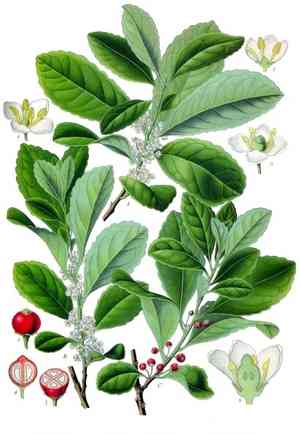
Mate can be successfully multiplied through the use of stem sections. This method generally entails choosing a robust, new branch and severing it at a joint. Employing a keen, sterilized cutting implement is vital to avert disease and guarantee a precise incision. Subsequently, these sections ought to be situated in a rooting substrate that retains dampness without becoming oversaturated. Rooting stimulants can boost the likelihood of success by fostering accelerated root formation, resulting in more robust development.
Optimal Period for Mate Propagation?
Propagation Method
Cutting
Propagation Season
Autumn,Winter
Essential Tools for Mate Propagation?
Sharp pruning shears
These are crucial for making clean, precise cuts when preparing mate cuttings. Sharp blades prevent damage to the parent plant and ensure a smooth cut surface, vital for healthy root development. This minimizes infection risk and boosts rooting success.
Rooting hormone
Rooting hormone powders or gels stimulate root growth on mate cuttings. Applying it to the cutting's base before planting accelerates new root formation, improving overall propagation success. This is especially helpful for hardwood cuttings, which root slower and with more difficulty.
Sterile potting mix
A high-quality, well-draining, and sterile potting mix offers an ideal environment for rooting mate cuttings. It reduces the risk of soil-borne diseases affecting vulnerable young cuttings while maintaining proper moisture and aeration for developing roots.
Humidity dome or plastic cover
Maintaining high humidity is key for successful mate cutting propagation. A humidity dome or simple plastic cover over the container helps retain moisture, creating a greenhouse-like setting that supports cuttings until their root systems develop.
Heat mat
Temperature control is vital for propagating mate from cuttings. A heat mat placed under propagation trays maintains a consistent, suitable temperature, especially useful during cooler months or climates. This warmth promotes faster root growth.
How to Propagate Mate?
Propagation Type
Moderately Difficult
How to Care for Your Newly Propagated Mate?
How to Care for Your Newly Propagated Mate?
Once roots are established, transfer young mate plants to larger pots or directly into the garden if the climate permits. Mate thrives in well-drained soil with partial to full sun. Regular watering is crucial, especially in dry spells, but avoid waterlogging. Fertilize lightly during the growing season to support growth. Monitor for pests like spider mites and implement control measures as needed to keep mate healthy.
Common Mistakes to Avoid When Propagating Mate
Inadequate watering regime
Over or under-watering mate during its initial propagation phase can lead to poor root development or rot. This negatively impacts overall health and reduces successful transplantation and growth.
Poor soil choice
Using an unsuitable soil mix for mate can hinder proper root growth. Mate requires well-draining soil to prevent waterlogging, which can contribute to fungal diseases.
Using non-viable cuttings
Propagating mate from cuttings that are too old or diseased may not successfully root, wasting time and resources, and potentially spreading diseases to healthy plants.
Neglecting humidity levels
Ignoring the need for high humidity can dehydrate mate's cut elves propagating cuttings, leading to desiccation and failure of the cuttings to root.
Tips For Propagating Mate
Optimal cuttings selection
Select healthy, semi-hardwood cuttings from mate, ideally from the current or previous year's growth. This increases the likelihood of successful rooting.
Proper rooting environment
Utilize a rooting hormone to encourage root growth and plant cuttings in a peat and perlite mix for good moisture retention and adequate drainage.
Maintain high humidity
Ensure a high humidity environment, achievable by covering cuttings with a plastic dome or using a humidity chamber. This prevents cuttings from drying out before root establishment.
Regular monitoring
Periodically check for signs of rot or disease and ensure the soil is moist but not waterlogged. Early detection and intervention can prevent losses and enhance propagation success.



