How to Prune Fourpetal St. John's wort?
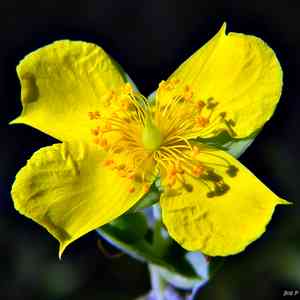
Hypericum perforatum 4 is characterized by its prominent yellow blossoms and a dense, shrub-like development pattern. Essential trimming methods involve excising deceased or injured stalks and sculpting the specimen to preserve its structure. The most favorable period for pruning is from late winter to early spring, coinciding with its natural development phase. This schedule encourages vigorous new shoots and boosts bloom production. Trimming Hypericum perforatum 4 additionally improves air movement and diminishes the likelihood of ailments, guaranteeing a sturdy and appealing plant throughout its active growth period.
What Are the Benefits of Pruning Fourpetal St. John's Wort?
What Are the Benefits of Pruning Fourpetal St. John's Wort?
Trimming fourpetal St. John's wort promotes vigorous growth and helps maintain its form. Routine pruning eliminates dead or overcrowded branches, fostering healthier development and enhancing air movement. This prevents illnesses and pest infestations, ensuring a strong and visually appealing plant.
What Is the Best Time for Pruning Fourpetal St. John's Wort?
What Is the Best Time for Pruning Fourpetal St. John's Wort?
Trimming fourpetal St. John's wort in early spring or late winter is optimal as these periods coincide with the plant's dormant phase. Pruning during dormancy minimizes plant stress, lowers disease risk, and allows it to allocate energy towards new growth as the active season begins. Furthermore, pruning just before the growth phase aids in shaping the plant and improving airflow, which boosts overall plant health and blooming.
What Tools Do I Need to Prune Fourpetal St. John's Wort?
Hand Pruners (Bypass Pruners)
Hand pruners are perfect for fourpetal St. John's wort, as they can efficiently cut through small stems and branches up to 0.5 inches in diameter. These are ideal for routine upkeep and removing dead or damaged stems.
Loppers
Loppers are suitable for thicker branches, typically between 0.5 to 1.5 inches in diameter. They offer greater leverage, enabling cleaner cuts on more substantial branches of fourpetal St. John's wort.
Pruning Saw
A pruning saw is essential for the thicker, older branches that hand pruners and loppers cannot manage. Ensure the saw blade is sharp for clean cuts that encourage faster healing.
Long-handled Hedge Shears
These are useful for shaping and trimming larger areas, helping to maintain the desired bush shape of fourpetal St. John's wort without harming the plant.
How to Prune Fourpetal St. John's Wort
Identify diseased leaves
Examine the entire plant for indications of disease, including discoloration, spots, or unusual growths. Diseased leaves should be recognizable by these symptoms.
Remove diseased leaves
Carefully trim the diseased leaves using sterilized pruning shears. Cut close to the base of each affected leaf without harming the healthy parts of the plant.
Identify withered leaves
Look for withered or dead leaves on the plant. These will often appear brown, dry, and brittle.
Remove withered leaves
Gently remove withered leaves by pruning them with sterilized shears or pinching them off by hand if they detach easily. Ensure that only the dead or dying leaves are removed.
Dispose of trimmed material
Collect all pruned diseased and withered leaves and discard them properly. Do not compost these materials, as diseases can spread through compost.
Common Pruning Mistakes with Fourpetal St. John's Wort
Over-pruning
Excessive removal of branches and foliage can harm fourpetal St. John's wort, making it vulnerable to disease and reducing its capacity to flower.
Improper cuts
Using dull or unsuitable tools can result in jagged cuts, which may not heal correctly and can attract pests and diseases.
Timing errors
Pruning at the wrong time of year can disrupt fourpetal St. John's wort's growth cycle and flowering pattern.
Ignoring thin and weak branches
Failing to remove thin, weak, or crossing branches can lead to a cluttered plant structure and diminished air circulation.
Common Pruning Tips for Fourpetal St. John's Wort
Use sharp tools
Ensure you use clean, sharp pruning shears or loppers to make precise cuts that promote rapid healing.
Prune selectively
Focus on removing dead, damaged, or diseased wood, and thin out crowded branches to enhance air circulation and light penetration.
Follow the natural shape
Maintain the natural growth habit of fourpetal St. John's wort by lightly shaping the plant to encourage healthy development without drastic alteration.
Regular inspection
Inspect the plant regularly to remove any problem areas early, allowing the plant to remain healthy and vigorous.
Disinfect tools
Disinfect pruning tools before and after use to prevent the spread of diseases between plants.



