Fourpetal St. John's wort(Hypericum tetrapetalum)

Fourpetal St. John's wort (Hypericum tetrapetalum)

Also known as: Fourpetal St. John’s Wort, Four Petal St. John's-wort

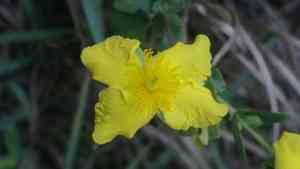
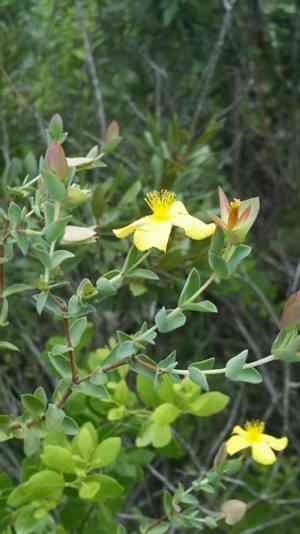
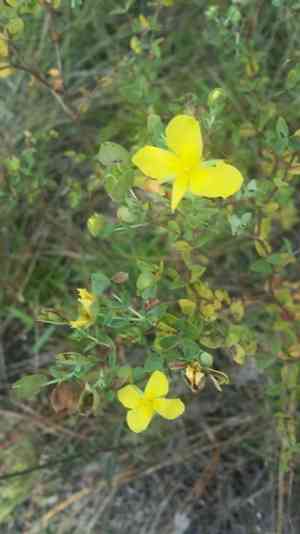
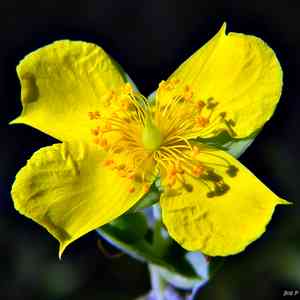
Fourpetal St. John's wort (Hypericum tetrapetalum) is easily recognized by its striking yellow flowers, each featuring four distinct petals. This perennial shrub typically grows to a modest height of around 2 feet and flourishes in sunny, well-drained environments.

Key characteristics include:
- **Flowers**: Vivid yellow with four petals, blooming mainly from late spring through fall.
- **Leaves**: Simple, opposite, and sessile with a smooth edge, providing a pleasing contrast to the flowers.
- **Stem**: Often exhibits a reddish or purplish hue.

Ideal growing conditions:
- **Sunlight**: Prefers full sun but can tolerate partial shade.
- **Soil**: Well-suited to sandy or rocky soils with good drainage.
- **Water**: Once established, it is drought-resistant but benefits from occasional watering.

Native to the southeastern U.S., this plant is perfect for wildflower gardens and natural landscapes, where it attracts pollinators and adds vibrant color.

Attributes of Fourpetal St. John's wort

Lifespan
Perennial
Plant Height
30 to 60 cm
Spread
30 to 60 cm
Leaf Color
Green
Flower Size
1 to 2 cm
Flower Color
Yellow

ForwardPlant - Identify plants with a snap

Identify and diagnose plants, get toxicity alerts, and explore safety guides for all types of fungi.

Try for Free

Images of Fourpetal St. John's wort
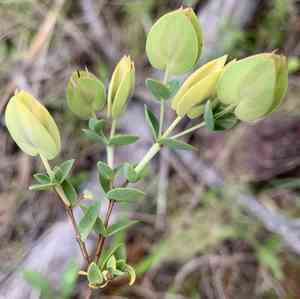
Fourpetal St. John's wort(Hypericum tetrapetalum)

Quickly Identify Fourpetal St. John's wort

1
Hypericum tetrapetalum can be identified by its four-petaled yellow flowers and opposite leaves. The plant typically has a shrubby appearance and blooms primarily in the summer.

Scientific Classification of Fourpetal St. John's wort

Phylum
Vascular plants
Class
Dicotyledons
Order
Malpighiales
Family
St. John's wort
Genus
St. John's worts
Species
Fourpetal St. John's wort

Planting and Growing of Fourpetal St. John's wort

Care Difficulty
Moderate
Watering Schedule
Every 2 days
Sunlight Requirements
Full sun
Sunshine Duration
6-10 hours
Ideal Temperature
60-75℉
Soil Type
Potting Mix, Peat Mix
Soil pH
6.5-7.5
Fertilizer Type
Balanced
Pruning Season
Spring, Summer
Pruning Area
Branches, Leaves
Pruning Frequency
2 times a year
Repotting Season
Spring
Pot Type
Plastic, Ceramic

water icon How to Water Fourpetal St. John's wort?

Hypericum tetrapetalum, also known as the four-petal St. John's wort, requires about 500ml of water per session. It thrives best when the soil is moist but not overly saturated. This ensures that the roots receive adequate moisture without drowning them, which could lead to root rot. Always check the top inch of soil; if it's dry, that’s a good cue for watering.
What are the symptoms of an underwatered Fourpetal St. John's wort?
What should I do if my Fourpetal St. John's wort is not getting enough water?
What are the symptoms of an overwatered Fourpetal St. John's wort?
How to save an overwatered Fourpetal St. John's wort?

sunlight icon What Are the Sunlight Requirements for Fourpetal St. John's wort?

Sunlight Requirements: Full sun
Duration of light: 6-8 hours daily
Hypericum tetrapetalum thrives in environments with full sun exposure, requiring at least six to eight hours daily. Proper light ensures vigorous growth and prolific blooming in this species.
Optimal Exposure Duration
Solutions for Achieving Ideal Light
Benefits of Ideal Light

temperature icon What Is the Ideal Temperature Range for Fourpetal St. John's wort?

Ideal Temperature: 60 ~ 75℉
The ideal temperature range for cultivating Hypericum tetrapetalum is between 60°F and 75°F. This range supports the plant's physiological processes, ensuring optimal respiration and photosynthesis rates. Temperatures within this range promote healthy growth and flowering.

soil icon What Soil is Best for Fourpetal St. John's wort?

Soil type: Sandy soil, Loam, Sandy loam
Soil PH: 6.5 ~ 7.5
Hypericum tetrapetalum thrives in well-draining soil to prevent root rot. Sandy or loamy soils with good permeability ensure excess water doesn’t linger, providing a healthier environment for the plant's roots. A moderately fertile soil is ideal for Hypericum tetrapetalum, as it supplies adequate nutrients without the risk of over-fertilization. This balance fosters steady growth and lush foliage. This plant prefers soil with a pH range from 6.5 to 7.5, which offers a balanced range to maximize nutrient uptake while avoiding nutrient lock-out common in more extreme pH levels.

fertilize icon How to Fertilize Fourpetal St. John's wort?

Fertilizer type: Balanced
For Hypericum tetrapetalum, it is advisable to use a balanced fertilizer, with an NPK ratio of 10-10-10. When applying liquid fertilizer, dilute to half strength to avoid root burn, typically around one tablespoon per gallon of water.

prune icon How to Prune Fourpetal St. John's wort?

Pruning Time: Spring, Summer, Autumn
Begin pruning in early spring just before new growth emerges. This timing helps stimulate fresh, vigorous growth and ensures the plant has a full season to recover and bloom beautifully. Focus on cutting back about one-third of the oldest stems at the base. This rejuvenates the plant and opens up the center, which improves light penetration and air circulation, crucial for healthy foliage. After removing old and dead stems, trim back the remaining branches to maintain a pleasing, rounded shape. Be mindful that over-pruning can stress the plant, so ensure to leave enough foliage for sustenance. More About Pruning Techniques

propagate icon How to Propagate Fourpetal St. John's wort plant?

Propagate Time: Spring, Early spring, Late spring
1
For seed propagation, fill seed trays with a seed-starting mix and sow Hypericum tetrapetalum seeds lightly on the surface. Cover with a thin layer of soil and keep moist but not waterlogged. Germination takes several weeks.
2
In cutting propagation, select healthy, non-flowering stems and cut sections about 4-6 inches long. Remove the lower leaves and dip the cut ends in rooting hormone before inserting them into moist potting medium.
3
For division propagation, carefully dig up mature plants and gently separate the root clumps. Each division should have both roots and shoots. Replant immediately at the same depth they were originally growing.
More About Propagating Techniques

repot icon How to Repot Fourpetal St. John's wort plant?

Repotting frequency: Every 2-3 years
1
Hypericum tetrapetalum should be repotted when you notice roots emerging from the drainage holes or when the plant seems stunted in growth. These signs typically indicate that the roots have outgrown the current pot, and it's time to give them more space to flourish. Spring and autumn are ideal times to undertake this task as the weather is mild, minimizing plant stress.
2
When selecting a pot for Hypericum tetrapetalum, aim for one that is only slightly larger than the current pot, ideally 1-2 inches wider in diameter. Opt for a pot with drainage holes to prevent waterlogged soil. The materials of the pot, such as clay or ceramic, can aid in better aeration for the roots. Choosing the right pot size ensures the plant will not grow excessively large, maintaining its bushy, compact form.
3
For repotting Hypericum tetrapetalum, use a well-draining neutral soil. You can enhance regular potting mix with perlite or sand to ensure excellent drainage and prevent root rot. This soil environment provides the right balance of moisture retention and air circulation, allowing roots to breathe and absorb nutrients efficiently, leading to a healthier, more vibrant plant.

ForwardPlant - Identify plants with a snap

Find the best spots for them to optimize their health, simply using your phone.

Try for Free

Toxicity

Ingestion, skin contact in large quantities

Identify toxic plants for your safety

Learn which plants are harmful to you and your pets, and make informed choices for a safer home!

Try for Free
WARNING
The judgment on toxicity and danger is for reference only. We DO NOT GUARANTEE any accuracy of such judgment. Therefore, you SHALL NOT rely on such judgment. It is IMPORTANT TO SEEK PROFESSIONAL ADVICE in advance when necessary.