How to Prune Pineland St. John's wort?
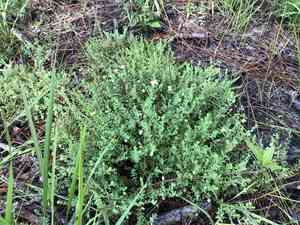
Pineland St. John's wort flourishes in sandy, well-draining substrates and is distinguished by its vibrant yellow blossoms and dense habit. Trimming is most effective in early spring to foster robust development and stimulate blooming. Eliminate any lifeless or compromised stalks, and shorten excessively long branches to preserve its form. This practice aids in improving air movement and lowering the likelihood of ailments. Employ sharp, sanitized implements to avert contamination. Consistent trimming boosts the plant's vitality and visual attractiveness.
What Are the Benefits of Pruning Pineland St. John's Wort?
What Are the Benefits of Pruning Pineland St. John's Wort?
Trimming pineland St. John's wort encourages robust development and maintains its form. It helps manage size, promotes healthy branching, boosts flowering, and lessens vulnerability to pests and diseases. Regular trimming ensures visual appeal and extended vigor.
What Is the Best Time for Pruning Pineland St. John's Wort?
What Is the Best Time for Pruning Pineland St. John's Wort?
Trimming pineland St. John's wort in early spring is advisable as it aligns with the plant's natural growth cycle. This timing occurs before new growth emerges, allowing the plant to recover swiftly and fostering healthy new development. Early spring pruning also ensures the plant can optimize its energy for blooming and fruiting during the growing season, leading to a healthier, more vibrant display. Delaying pruning risks harming new growth or missing the optimal window for health benefits.
What Tools Do I Need to Prune Pineland St. John's Wort?
Hand Pruners
Crucial for making precise cuts on smaller branches or stems, typically under 1/2 inch in diameter. Hand pruners are perfect for maintaining the compact and bushy shape of pineland St. John's wort.
Loppers
Useful for cutting through thicker branches, up to approximately 1-2 inches in diameter. Loppers provide the necessary leverage to shape pineland St. John's wort and remove any dense or old growth.
Hedge Shears
These are especially helpful for shaping the overall form of pineland St. John's wort, particularly when aiming for dense, bushy growth. They allow for quick trimming of numerous small stems simultaneously.
Pruning Saw
For branches exceeding 2 inches in diameter, a pruning saw ensures clean cuts without harming the plant. This tool is essential for any significant size reductions or when removing older, woody stems from pineland St. John's wort.
Bypass Pruners
Preferred for making clean, accurate cuts to prevent stem crushing, which is vital for the plant's well-being. Bypass pruners are excellent for routine maintenance of pineland St. John's wort.
How to Prune Pineland St. John's Wort
Inspection
Carefully examine pineland St. John's wort for any indications of diseased leaves, withered leaves, and dead or diseased branches. This ensures all problematic areas are addressed effectively.
Tools Sterilization
Sanitize your pruning tools with a 70% isopropyl alcohol solution or a 10% bleach solution. This helps prevent the spread of disease from one part of the plant to another.
Prune Diseased leaves
Remove all diseased leaves by cutting them off close to the base of their stems. Make clean cuts to avoid damaging the healthy parts of pineland St. John's wort.
Prune Withered leaves
Trim all withered leaves by snipping them off at their point of attachment. Avoid leaving stubs, as these can harbor pests and diseases.
Remove Dead and Diseased branches
Cut off any dead branches and diseased branches, ensuring to cut back to healthy tissue or the main stem. Avoid cutting into the healthy wood to promote quick healing and prevent further damage.
Common Pruning Mistakes with Pineland St. John's Wort
Improper Technique
Using dull tools or making jagged cuts can harm the plant, increasing its vulnerability to diseases.
Over-pruning
Removing too much foliage can stress the plant, reducing its ability to photosynthesize efficiently and recover.
Pruning at Incorrect Angles
Cutting too close to the main stem or at improper angles can impede healing and encourage pest infestations.
Ignoring Dead or Diseased Wood
Failure to remove dead or diseased branches can spread infection throughout the plant and nearby vegetation.
Not Cleaning Tools
Using unsanitized tools can transfer diseases from one plant to another, increasing the risk of infection and damage.
Common Pruning Tips for Pineland St. John's Wort
Use Sharp, Clean Tools
Ensure all pruning shears, saws, and other tools are sharp and sterilized to make clean cuts and prevent disease transmission.
Follow the Three-Cut Method
For larger branches, employ a three-cut method to prevent bark tearing: make an undercut, then a top cut further out, and finally remove the stub.
Remove Dead and Diseased Wood
Prioritize the removal of any dead, diseased, or damaged branches to maintain plant health and prevent potential spread of pathogens.
Prune for Shape and Airflow
Trim back overgrown areas to improve air circulation within the plant, which helps reduce disease risk and promotes healthy growth.
Be Gentle with Young Plants
Avoid heavy pruning on young plants; focus on removing only what is necessary to shape the plant and encourage sturdy growth.



