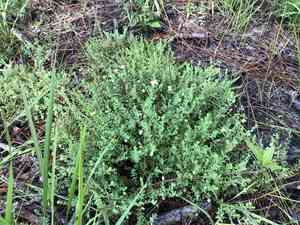
Pineland St. John's wort (Hypericum suffruticosum)
Also known as: Shrubby St. John's Wort
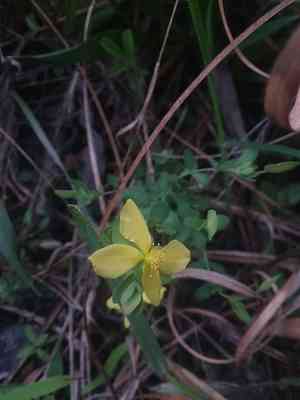
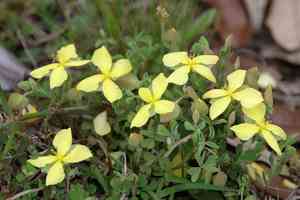
Pineland St. John's wort (Hypericum suffruticosum) is a compact, woody shrub admired for its striking, star-like yellow blooms that appear in late spring to summer. This plant has semi-upright stems, lending it a somewhat spreading habit, ideal for rocky or sandy landscapes. Its fine, needle-like green leaves are adapted to thrive in full sun and well-drained soil conditions, making it particularly suited to dry and open habitats. It's a hardy, drought-tolerant choice for native plant gardens, requiring minimal maintenance once established.
In This Article
Attributes of Pineland St. John's wort
Lifespan
Perennial
Plant Type
Shrub
Plant Height
0 mm to 30 cm
Spread
Up to 2 feet (61 cm)
Leaf Color
Green
Flower Size
Approximately 1 inch (2.5 cm)
Flower Color
Yellow
Images of Pineland St. John's wort
Quickly Identify Pineland St. John's wort
1
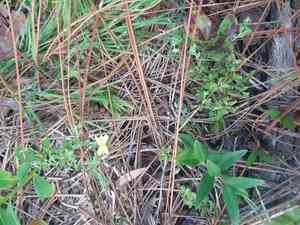
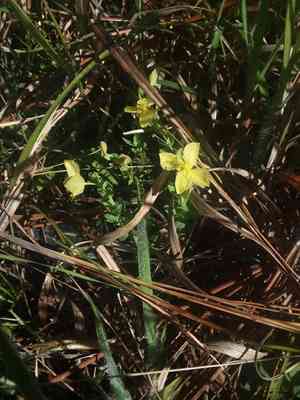
Hypericum suffruticosum can be identified by its small, woody shrub form, narrow leaves, and bright yellow flowers. The flowers typically appear in clusters at the tips of the branches.
Scientific Classification of Pineland St. John's wort
Phylum
Vascular plants
Class
Dicotyledons
Order
Malpighiales
Family
St. John's wort
Genus
St. John's worts
Species
Pineland St. John's wort
Planting and Growing of Pineland St. John's wort
Care Difficulty
Easy
Watering Schedule
Every 2 days
Sunlight Requirements
Full sun
Sunshine Duration
6-10 hours
Ideal Temperature
60-75℉
Soil Type
Potting Mix, Peat Mix
Soil pH
6.5-7.5
Fertilizer Type
Balanced
Pruning Season
Spring, Summer
Pruning Area
Branches, Leaves
Pruning Frequency
2 times a year
Repotting Season
Spring
Pot Type
Plastic, Ceramic
 How to Water Pineland St. John's wort?
The watering amount for Hypericum suffruticosum should be substantial but controlled, ensuring the soil is thoroughly moist but not waterlogged. Aim for around 500ml per session, allowing the water to reach the root zone without leaving standing water.
What are the symptoms of an underwatered Pineland St. John's wort?
›
What should I do if my Pineland St. John's wort is not getting enough water?
›
What are the symptoms of an overwatered Pineland St. John's wort?
›
How to save an overwatered Pineland St. John's wort?
›
 What Are the Sunlight Requirements for Pineland St. John's wort?
Hypericum suffruticosum thrives best with full sun to partial sun exposure. Ideal lighting conditions facilitate optimal photosynthesis, promoting healthier growth and abundant flowering.
What is the right amount of sunlight?
›
How can I ensure these light conditions?
›
What are the benefits of proper sunlight?
›
 What Is the Ideal Temperature Range for Pineland St. John's wort?
The ideal temperature range for growing Hypericum suffruticosum is between 60°F and 75°F. This range ensures optimal growth and development, as the plant can efficiently perform photosynthesis and other metabolic activities without stress.
 What Soil is Best for Pineland St. John's wort?
Hypericum suffruticosum thrives in well-drained soils. This requirement prevents root rot and ensures proper oxygen supply to the roots, promoting robust growth and flowering. While not overly demanding, this plant benefits from nutrient-rich soils. Providing adequate nutrients ensures vibrant foliage and enhances the flowering potential of the plant. This plant prefers moderately moist soil but can tolerate short periods of dryness, making it adaptable to various garden environments. Maintaining moisture helps prevent wilting and stress in the plant.
 How to Fertilize Pineland St. John's wort?
For Hypericum suffruticosum, applying fertilizer should be done thoughtfully to ensure lush and abundant growth. Using liquid fertilizer, ensure you dilute it properly, typically following the manufacturer's instructions which often suggest a ratio of one tablespoon per gallon of water. For granular or slow-release fertilizers, avoid exceeding 2-3 pounds per 100 square feet annually, allowing the plant to absorb nutrients gradually.
 How to Prune Pineland St. John's wort?
Always use clean, sharp pruning shears to make precise cuts. Dull or dirty tools can damage the plant tissue and introduce pathogens. Clean your tools with rubbing alcohol or a solution of bleach and water before and after use to maintain hygiene. Be cautious not to remove more than one-third of the plant's foliage at a time. Over-pruning can stress the plant, leading to poor growth and reduced flowering. Always step back and assess the plant's appearance before continuing with further cuts.
More About Pruning Techniques→
 How to Propagate Pineland St. John's wort plant?
1
To propagate via seeds, first collect mature seeds from the flowers of Hypericum suffruticosum. This is best done in late summer to early autumn when the seed pods are dry but have not yet split open. Store seeds in a cool, dry place until ready to plant.
2
Select healthy, non-flowering shoots for cuttings, ideally in spring. The shoots should be semi-hardwood to increase the success chance of rooting. Remove the leaves from the lower half of the cuttings and dip the cut end in rooting hormone before planting.
3
Sow the collected seeds or plant your prepared cuttings into the seedling trays with a light, well-draining seed or potting mix. Cover lightly with soil for seeds, and ensure cuttings are stable in the mix. Water lightly to moisten the soil and maintain high humidity for best results.
 How to Repot Pineland St. John's wort plant?
1
Repotting is typically needed when the roots begin to outgrow the current pot or start circling the base. Another signal is when water drains too quickly, indicating compacted soil. Ideally, repot during Spring or Summer when active growth can help recover from the process.
2
Select a pot that is 1-2 inches wider than the previous one to give the roots ample room to expand without overwhelming the plant. The material should be breathable, like terracotta, which prevents root rot by allowing excess moisture to escape, benefitting overall plant health.
3
Opt for a well-drained sandy soil. This type of soil replicates the plant’s natural conditions, enhancing aeration while ensuring proper drainage. Such soil helps prevent waterlogged roots, promoting healthier growth and preventing root diseases.



