How to Propagate Pineland St. John's wort?
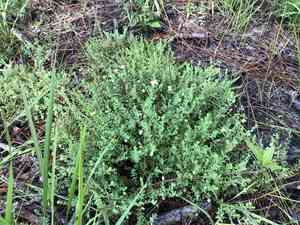
Hypericum chapmanii flourishes in the porous, sandy substrates characteristic of its natural environments. Effective propagation entails employing cuttings, specifically from semi-lignified stems. Immerse the cuttings in a rooting stimulant to foster root formation. Position the cuttings in a warm, damp setting with diffused light until roots emerge. Maintaining consistently moist, yet not saturated, soil is vital. Periodically inspect for root development and transplant into a container once firmly rooted.
Optimal Period for Pineland St. John's Wort Propagation
Propagation Method
Cutting
Propagation Season
Spring,Summer
Tools Required for Pineland St. John's Wort Propagation
Sharp pruning shears
Utilized for making precise cuts on pineland St. John's wort without harming the plant. Opt for shears with a clean, sharp blade to minimize tissue damage and prevent disease.
Rooting hormone
Facilitates root development on pineland St. John's wort cuttings. Select a rooting hormone powder or gel suitable for woody plants to enhance successful root formation.
Propagating trays or pots
Offer a controlled environment for pineland St. John's wort cuttings to root. Ensure proper drainage to avoid waterlogging, which can lead to decay.
Perlite or vermiculite
Employed as a growing medium to support pineland St. John's wort cuttings, providing excellent aeration and drainage, vital for robust root growth.
Humidity dome or plastic cover
Maintains elevated humidity levels around pineland St. John's wort cuttings, crucial for preventing desiccation before rooting. This helps reduce water loss through transpiration.
Clean, sterilized knife or scalpel
Essential for accurately trimming pineland St. John's wort cuttings and making clean incisions to prevent plant tissue infection.
Spray bottle
Used to maintain moisture levels around pineland St. John's wort cuttings without over-saturating the growing medium. Mist the cuttings to keep them hydrated during the rooting process.
Heat mat
Sustains a consistent warm temperature at the base of pineland St. John's wort cuttings, encouraging faster root development. Ensure temperature settings align with the specific needs of pineland St. John's wort.
Labels and markers
Assists in identifying and tracking various pineland St. John's wort cuttings, allowing for progress monitoring and effective management.
Procedure for Propagating Pineland St. John's Wort
Propagation Type
Moderately Difficult
Post-Propagation Care for Your Pineland St. John's Wort
Post-Propagation Care for Your Pineland St. John's Wort
After transplanting, place young pineland St. John's wort plants in a bright spot with indirect sunlight. Water regularly to keep the soil moist but not waterlogged. Gradually introduce the plants to outdoor conditions over a week before planting them permanently. Provide well-draining soil, and shield them from extreme temperatures. Regularly check for pests and diseases and treat promptly if detected.
Common Errors to Avoid When Propagating Pineland St. John's Wort
Incorrect Soil Type
Using soil that retains too much moisture can lead to root rot and other fungal diseases. Pineland St. John's wort thrives in well-draining, sandy soils.
Overwatering
Excessive watering can cause root rot and harm the plant's health, hindering successful propagation.
Insufficient Light
Failure to provide adequate light can weaken the plant and decrease propagation success. Pineland St. John's wort requires ample sunlight.
Improper Cutting Technique
Taking cuttings that are too mature or too young can result in a low propagation success rate. Properly timed and handled cuttings are crucial.
Lack of Patience
Not allowing sufficient time for roots to develop before potting or planting out can stunt growth or kill young plants.
Advice for Propagating Pineland St. John's Wort
Use Well-Draining Soil
Choose sandy, well-draining soil to prevent waterlogging and root rot, promoting healthier plant growth.
Moderate Watering
Water sparingly and consistently, ensuring the soil remains slightly moist but never saturated. This aids root development without causing decay.
Provide Ample Sunlight
Pineland St. John's wort flourishes in full sunlight. Ensure propagated plants receive plenty of natural light for optimal growth.
Healthy Stem Cuttings
Take cuttings from healthy, semi-hardwood stems. These typically root better than older or younger plant sections.
Be Patient
Allow ample time for root establishment before transplanting. This helps ensure the plants are strong and have a higher survival rate when moved.



