How to Prune Peelbark St. John's wort?
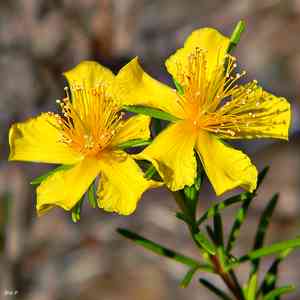
Hypericum calycinum is a bush characterized by its unique exfoliating bark and vivid yellow blossoms. Perform trimming in early spring prior to the emergence of new shoots. Eliminate any lifeless or ailing wood, and thin out congested limbs to enhance air movement. Gentle yearly trimming aids in preserving its form and stimulates flowering. Exercise care to avoid excessive pruning, as this could negatively affect bloom development. Trimming fosters more robust growth and superior flower yield, guaranteeing a lively garden presentation.
Advantages of Trimming Peelbark St. John's Wort
Advantages of Trimming Peelbark St. John's Wort
Trimming peelbark St. John's wort encourages robust development, maintains its form, and fosters healthy, dense foliage. Regular cutting helps control its size, improves its visual appeal, and lowers the chance of disease and pest issues.
Optimal Time for Trimming Peelbark St. John's Wort
Optimal Time for Trimming Peelbark St. John's Wort
Trimming peelbark St. John's wort in early spring is considered ideal as this period aligns with the plant's inactive phase. Pruning during dormancy helps minimize plant stress and reduces disease risk. Furthermore, pruning before new growth begins allows the plant to direct energy towards producing healthy, vigorous new shoots. This timing also ensures flowering is not negatively impacted, as peelbark St. John's wort will have ample time to develop buds for its later blooming season.
Tools Required for Pruning Peelbark St. John's Wort
Bypass Pruners
Perfect for making clean cuts on living stems and small branches. These are essential for routine upkeep and encouraging healthy growth in peelbark St. John's wort.
Loppers
Useful for cutting thicker branches too large for bypass pruners. These assist in managing the shrub's size and shape effectively.
Pruning Saw
Needed for removing any dead or excessively thick branches. This tool ensures smooth cuts on larger limbs, vital for maintaining the overall structure of peelbark St. John's wort.
Hedge Shears
Excellent for shaping and maintaining the overall form of peelbark St. John's wort. These shears allow for precise trimming of the outer growth.
Sanitizing Solution
Crucial for disinfecting pruning tools between cuts to prevent disease spread. This is vital for the health of peelbark St. John's wort.
How to Prune Peelbark St. John's Wort
Inspection
Start by examining peelbark St. John's wort to identify all parts needing trimming: diseased leaves, withered leaves, dead branches, and diseased branches. Mark these areas if necessary.
Clean Tools
Ensure all pruning tools are clean and sterilized to prevent disease spread. Use a solution of one part bleach to nine parts water for sterilization.
Remove Diseased Leaves
Carefully trim any diseased leaves from peelbark St. John's wort using sharp pruning shears. Cut close to the stem but avoid damaging the healthy part of the plant.
Remove Withered Leaves
Cut away withered leaves from peelbark St. John's wort, making sure to remove as much dead material as possible without harming the live tissue.
Clear Dead Branches
Identify and prune dead branches by cutting back to the nearest healthy growth or where the branch intersects with a larger stem. Ensure a clean cut to promote healing.
Prune Diseased Branches
Remove diseased branches by cutting at least 6-12 inches below the visible area of infection. Dispose of all pruned material away from peelbark St. John's wort to prevent reinfection.
Common Pruning Errors with Peelbark St. John's Wort
Improper Technique
Using dull or unsuitable tools can harm the plant and lead to poor healing. This can make the plant vulnerable to diseases and pests.
Over-pruning
Removing too much foliage at once can stress the plant and hinder its ability to photosynthesize effectively. This can weaken the plant and reduce flower production.
Incorrect Timing
Pruning at the wrong time (excluding specifics of the season) can disrupt the plantâs growth cycle, leading to less vigorous growth and potentially fewer flowers.
General Pruning Advice for Peelbark St. John's Wort
Use Sharp Tools
Ensure that your pruning shears or scissors are sharp and clean to facilitate clean cuts, which heal faster and reduce the risk of infection.
Focus on Dead or Damaged Stems
Start by removing any dead, diseased, or damaged stems to promote air circulation and prevent the spread of disease.
Cut Above a Node
When making cuts, always prune just above a node (the point where leaves attach to the stem) to encourage new growth from that point.
Moderation
Prune moderately by removing only about a quarter to a third of the plantâs total growth at a time. This helps maintain the plantâs overall health and vigor.



