How to Propagate Peelbark St. John's wort?
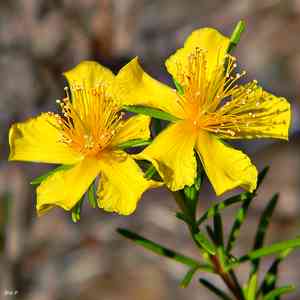
Hypericum fasciculatum flourishes in marshy environments and presents as an appealing shrub indigenous to the Southeastern U.S. Successful propagation can be accomplished via cuttings, specifically by utilizing semi-hardwood sections and establishing roots in a damp, adequately draining substrate. Detach the lower foliage and immerse the severed tip in rooting compound to boost the likelihood of success. Maintain consistent moisture in the medium and position the cuttings in a shaded spot to prevent direct sun exposure, thereby fostering robust root formation.
When Is the Optimal Time to Propagate Peelbark St. John's Wort?
Propagation Method
Cutting
Propagation Period
Spring,Summer
What Equipment Is Utilized for Peelbark St. John's Wort Propagation?
Pruning Shears
Pruning shears are vital for obtaining healthy cuttings from peelbark St. John's wort. They ensure precise cuts, which are crucial for minimizing harm and encouraging faster rooting. Sharp, quality shears decrease the chance of crushing plant tissues, which can lead to infections and poor propagation outcomes.
Rooting Hormone
Rooting hormone aids in stimulating root formation in cuttings. When applied to the severed ends of peelbark St. John's wort cuttings, it boosts the likelihood of successful rooting by promoting quicker and stronger root development.
Propagating Trays
Propagating trays offer a controlled setting for peelbark St. John's wort cuttings. These trays maintain moisture levels and ensure proper drainage, fostering healthy root growth. Utilizing trays also allows for easy oversight of multiple cuttings simultaneously.
Humidity Dome
A humidity dome placed over propagating trays helps maintain elevated humidity levels, which is essential for peelbark St. John's wort cuttings to prevent dehydration. Consistent humidity supports the cuttings' need for moisture until roots develop.
Sterile Growing Medium
A sterile growing medium, such as a blend of perlite and peat moss or a commercial seed-starting mix, provides a disease-free environment for peelbark St. John's wort cuttings. This helps prevent infections and ailments that can hinder root development.
Misting Bottle
A misting bottle is employed to regularly mist peelbark St. John's wort cuttings, ensuring they remain moist during the initial stages of propagation. Consistent moisture helps prevent desiccation, a common issue when propagating cuttings.
Heat Mat
A heat mat positioned beneath the propagating trays can supply bottom warmth, which encourages more rapid root formation in peelbark St. John's wort cuttings. The gentle heat assists in stimulating cellular activity and root growth.
How to Propagate Peelbark St. John's Wort?
Propagation Difficulty
Moderately Difficult
How to Care for Your Newly Propagated Peelbark St. John's Wort?
How to Care for Your Newly Propagated Peelbark St. John's Wort?
Once the cuttings have established roots and exhibit new growth, transfer them to individual containers with a well-draining soil mixture. Water sparingly, allowing the soil to dry between waterings to prevent root rot. Gradually acclimatize the plants to outdoor conditions, providing partial shade before exposing them to full sunlight. Regularly inspect for pests and diseases, and apply a balanced fertilizer during the growing season to encourage robust development.
Common Errors to Avoid When Propagating Peelbark St. John's Wort
Overwatering
Excessive moisture can lead to root rot and fungal problems, hindering the establishment of peelbark St. John's wort.
Improper Soil Mix
Using soil that is too dense or lacking in nutrients can impede root development and decrease propagation success.
Insufficient Light
Placing peelbark St. John's wort in an area with inadequate light can result in weak, elongated growth, and lower propagation rates.
Incorrect Cutting Technique
Taking cuttings that are too short, long, or poorly cut can hinder rooting and overall plant health.
Tips For Propagating Peelbark St. John's Wort
Well-Draining Soil
Utilize a soil mix with good drainage to prevent waterlogging and promote healthy root growth.
Moderate Watering
Keep the soil moist but not saturated to provide the ideal environment for root development.
Adequate Sunlight
Position peelbark St. John's Wort in a location where it receives sufficient indirect sunlight to encourage vigorous growth.
Proper Cutting Length
Take cuttings that are 4-6 inches long, ensuring a clean cut just below a node to maximize rooting potential.
Sterilized Tools
Use sterilized tools to make cuts to prevent the introduction of diseases and infections.



