How to Prune Northern spider-lily?
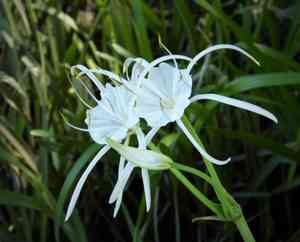
Hymenocallis liriosme, recognized for its impressive white flowers and delicate, spidery petals, needs very little trimming. Perform pruning in the late winter to early spring period, prior to the emergence of new shoots. Eliminate any withered or compromised foliage to enhance air circulation and foster robust flowering. Refrain from cutting back vibrant, healthy leaves to avoid impeding the process of photosynthesis. Consistently inspect for and detach faded blossoms to encourage ongoing floral production. Trimming boosts plant vitality, wards off ailments, and preserves a neat aesthetic.
What Are the Benefits of Pruning Northern Spider-lily?
What Are the Benefits of Pruning Northern Spider-lily?
Northern spider-lily thrives with pruning, which encourages robust development and helps maintain its form. Pruning manages size, stimulates more blooms, and lessens the chance of pests and diseases, leading to a healthier, more attractive plant.
What Is the Best Time for Pruning Northern Spider-lily?
What Is the Best Time for Pruning Northern Spider-lily?
Trimming or pruning northern spider-lily in early spring or late winter ensures the plant remains dormant, minimizing stress and potential harm. During this period, northern spider-lily has not yet initiated its active growth phase, which begins in spring and extends into summer when its distinctive flowers emerge. Pruning just before this active cycle allows for healthier regrowth and maximizes blooming potential. Furthermore, this timing helps reduce the risk of disease and pest infestation, as pruning wounds have ample time to heal before the growing season.
What Tools Do I Need to Prune Northern Spider-lily?
Bypass Pruners
Perfect for making precise cuts on living stems and foliage, ensuring minimal harm to northern spider-lily.
Precision Pruners
Useful for detailed tasks when working with smaller or intricate parts of northern spider-lily.
Sterilizing Solution
Essential for sanitizing pruning tools before and after use to prevent the spread of diseases in northern spider-lily.
How to Prune Northern Spider-lily
Prepare Tools
Gather sanitized pruning shears or scissors to prevent disease transmission and ensure clean cuts.
Identify Diseased Leaves
Examine northern spider-lily for foliage showing signs of illness, such as discoloration, spots, or mold. These must be removed first.
Trim Diseased Leaves
Cut off the diseased leaves at their base, close to their attachment point on the main stem, ensuring no damage to healthy plant parts.
Identify Withered Leaves
Look for leaves that are yellowing, browning, or otherwise decaying. These leaves no longer contribute to the plantâs health and should be removed.
Trim Withered Leaves
Cut the withered leaves at the base, similar to diseased leaves, making sure to dispose of them properly to avoid any potential spread of disease or pests.
Common Pruning Mistakes with Northern Spider-lily
Incorrect Technique
Using dull or improperly cleaned tools can result in jagged cuts and increase disease risk. Always use sharp, sterilized pruning shears for clean cuts.
Over-Pruning
Removing too much foliage at once can stress northern spider-lily and impede its growth and flowering potential. Stick to moderate pruning to maintain plant health.
Improper Timing
Pruning at unsuitable times can shock northern spider-lily and disrupt its natural growth cycle. Avoid pruning when the plant is actively growing or flowering.
Cutting Too Close
Cutting too close to the plant's base or a leaf can cause damage. Leave a small stub to allow for natural healing.
Neglecting to Remove Dead Material
Failing to remove dead or diseased leaves and stems can attract pests and diseases. Regularly inspect and clear away dead material to maintain plant health.
Common Pruning Tips for Northern Spider-lily
Use Clean, Sharp Tools
Ensure pruning shears are sharp and sterilized to make clean cuts, reducing infection risk and promoting faster healing.
Moderate Pruning
Remove only a small amount of foliage at a timeâtypically around 10-20%âto avoid stressing northern spider-lily. Focus on clearing out dead, dying, or overcrowded leaves and stems.
Observe Natural Shape
Follow the natural form of northern spider-lily to encourage balanced growth. Avoid drastic alterations to the plant's shape.
Check for Disease
Regularly inspect northern spider-lily for signs of disease or pest infestation. Promptly remove any affected parts to prevent spread.
Promote Airflow
Thin out crowded leaves to improve air circulation within the plant. This helps reduce humidity and prevents fungal growth, ensuring healthier plants.



