How to Propagate Northern spider-lily?
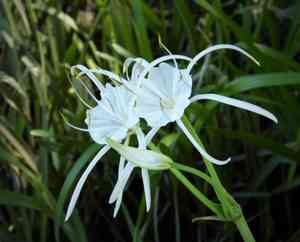
The northern spider-lily, a member of the Amaryllidaceae family, commonly reproduces by separating its tubers. When working with these tubers, it is vital to confirm their health and absence of pathogens. Embed them in a substrate that drains effectively, enriched with organic matter, ensuring the neck remains above the ground level. Sufficient hydration and exposure to partial or full sunlight are critical for the northern spider-lily's successful rooting and development. Consistent fertilization throughout its active growth period can stimulate robust expansion.
When Is the Best Time to Propagate Northern Spider-lily?
Propagation Type
UtilizeTubers
Propagation Season
Spring
What Tools Are Used in Northern Spider-lily Propagation?
Garden Fork
A garden fork is crucial for carefully lifting northern spider-lily tubers from the soil without causing damage. Its tines can reach deeper into the ground and offer better leverage than a shovel, minimizing harm to the tubers during excavation.
Pruning Shears
Pruning shears are employed to trim away any damaged or unhealthy portions of the tubers and to divide them into sections if needed. This aids in maintaining the plant's overall health and promotes new development.
Sterilized Knife
A sterilized knife is necessary for making clean cuts on the tubers if division is required. Sterilizing the knife before use is vital to prevent the introduction of pathogens that could cause infection or decay.
Rooting Hormone
Rooting hormone can be applied to the cut surfaces of the tubers to stimulate root growth and enhance the likelihood of successful propagation.
Planting Containers
Containers with adequate drainage are needed to plant the tubers after division. They provide a controlled environment for the tubers to develop new shoots and roots.
Potting Mix
A high-quality potting mix that drains well yet retains moisture is essential for planting the divisions. It ensures the tubers have access to the correct balance of nutrients and water.
Watering Can
A watering can with a gentle shower is used to irrigate the planted tubers without causing soil erosion or disturbing the tubers' placement in the soil.
Garden Markers
Garden markers are used to label the planted tubers with relevant information such as the planting date and variety. This is important for tracking each tuber's progress and health.
How to Propagate Northern Spider-lily?
Propagation Type
Simple
How to Care for Your Newly Propagated Northern Spider-lily?
How to Care for Your Newly Propagated Northern Spider-lily?
Following propagation, continue to provide consistent moisture to the soil around northern spider-lily, especially during the active growth period. Position the plant in a location with partial to full sunlight, ensuring it receives sufficient light for optimal development. Fertilize lightly with a balanced, water-soluble fertilizer every few weeks during the active growing season. Regularly monitor for pests and diseases, addressing any issues promptly to maintain healthy, robust plants.
Common Mistakes to Avoid When Propagating Northern Spider-lily
Overwatering
Excessive water can lead to bulb rot, which hinders root development and can cause the plant to perish.
Improper Soil Mix
Using soil that holds too much water or lacks sufficient drainage can result in poor root aeration and decay of the bulbs.
Insufficient Sunlight
Failure to provide enough light can stunt the plant's growth and impede its ability to photosynthesize effectively.
Planting Depth
Planting bulbs too deep or too shallow can prevent proper germination and growth.
Ignoring Dormancy Period
Not recognizing the plant's natural dormancy period might lead to overwatering or the mistaken belief that the plant is unhealthy.
Tips For Propagating Northern Spider-lily
Well-Draining Soil
Utilize a soil mix that includes sand or perlite to ensure proper drainage and prevent water retention.
Moderate Watering
Water the plant moderately, ensuring the soil is moist but not waterlogged to prevent root rot.
Bright, Indirect Light
Place the plant in a location with ample bright, indirect sunlight to encourage healthy growth.
Proper Planting Depth
Plant the bulbs at a depth roughly twice their height to ensure they establish well and grow robustly.
Respect Dormancy
Allow the plant to undergo its natural dormancy period, reducing water and providing a cool, dry environment during this time.



