How to Prune Feverpod?
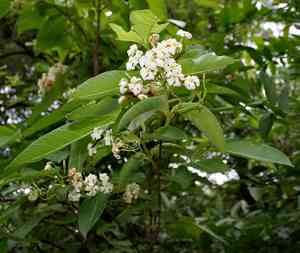
Celebrated for its therapeutic attributes, feverpod flourishes with careful trimming. Perform pruning in late winter or early spring as its dormant period concludes. Eliminate deceased or frail branches to foster vitality and air circulation. Reduce density in congested sections, concentrating on sculpting the plant for peak development. Pruning aids feverpod by stimulating robust new stems, bolstering plant hardiness, and preserving its attractive shape. Make incisions with sanitized, keen instruments to avert pathogen spread.
Advantages of Trimming Feverpod
Advantages of Trimming Feverpod
Trimming feverpod promotes robust development and helps preserve its form. This practice also enhances air circulation, lowering disease risk and fostering a strong structure, ensuring feverpod stays healthy and visually appealing.
Optimal Time for Pruning Feverpod
Optimal Time for Pruning Feverpod
Pruning feverpod in late winter or early spring is ideal as this timing coincides with the plant's dormant phase, just before new growth begins. This period allows gardeners to shape the plant and remove any dead or damaged branches without stressing feverpod. Furthermore, pruning prior to the spring growth spurt means that cuts will heal faster once growth commences. It also minimizes the chance of disease infection, as many pathogens are less active in colder weather. Additionally, since feverpod may produce flowers or fruit, pruning in late winter or early spring ensures minimal disruption to its reproductive cycle.
Required Tools for Pruning Feverpod
Hand Pruners
Essential for making precise cuts on feverpod's smaller branches and twigs. They provide clean cuts that help prevent damage to the plant.
Loppers
Perfect for reaching into the denser parts of feverpod to trim thicker branches that hand pruners cannot manage. Their long handles offer leverage for cutting through tougher wood.
Pruning Saw
Needed for removing the largest branches on feverpod, which are too substantial for hand pruners and loppers. A pruning saw enables clean and efficient cutting of thicker limbs.
Pruning Shears
Useful for shaping feverpod or for trimming off leaves and minor growth. The shears allow for quick snips, perfect for detailed work.
Gloves
While not a cutting tool, gloves are crucial to protect the gardener's hands from thorns and rough bark while pruning feverpod.
How to Prune Feverpod
Clean tools
Before starting, ensure all pruning tools are clean and sharp to prevent the spread of disease to feverpod and facilitate clean cuts.
Inspection
Examine feverpod's structure to identify any dead or diseased branches that require removal for the health of the plant.
Cut diseased branches
Using your pruning tools, carefully remove diseased branches from feverpod by cutting at a spot just beyond the point of disease, but before any healthy tissue, to minimize pathogen spread.
Remove dead branches
Cut dead branches off feverpod at their point of origin or back to the main stem, avoiding stubs which can be entry points for pests and diseases.
Cleanup
After pruning feverpod, clean up all removed material from the ground to prevent potential disease re-infection and dispose of it properly.
Common Pruning Errors with Feverpod
Over-pruning
Removing too much foliage from feverpod at once can stress the plant, hinder growth, and reduce blooming potential.
Improper cut placement
Making cuts too far from a bud or node can result in dead stubs that risk disease. Too close cuts might remove new emerging shoots or damage the bud.
Using dull tools
Dull tools can cause jagged cuts that are more susceptible to disease and pests.
Neglecting tool hygiene
Not cleaning tools between uses can transfer pathogens from an infected plant to feverpod, possibly inducing disease.
Pruning during growth
Trimming feverpod when it's actively growing can interrupt its natural growth cycle and may prevent it from flowering properly.
Ignoring plant form
Random or incorrect pruning without understanding feverpod's natural shape can result in an aesthetically unpleasing form and diminished health.
Common Pruning Advice for Feverpod
Tool sharpness
Use sharp and clean pruning shears or scissors to make clean cuts that heal quickly, helping feverpod maintain its health.
Cutting angle
Cut at a 45-degree angle about 1/4 inch above an outward-facing bud or leaf node to encourage outward growth and prevent water accumulation on the cut surface.
Selective thinning
Thin out overcrowded branches to increase air circulation and light penetration, which is crucial for the health and vigor of feverpod.
Maintenance pruning
Regularly remove dead or diseased wood and spent flowers from feverpod to promote new growth and prevent potential spread of disease.
Consider plant architecture
Understand the growth pattern of feverpod and aim to maintain its natural structure when pruning for aesthetics.
Balanced approach
Adopt a measured approach by pruning only what is necessary. Aim to remove no more than one-third of the overall growth to maintain the stability and health of feverpod.



