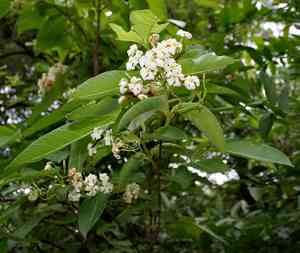
Feverpod(Holarrhena pubescens)

Feverpod (Holarrhena pubescens)

Also known as: Ivory tree, Jasmine tree, Conessi

Feverpod (*Holarrhena pubescens*) is a flowering plant indigenous to the Indian Subcontinent, regions of China, and Southern Africa. It is cultivated in these areas for several applications:

1. **Traditional Medicine**: Utilized for its therapeutic properties, particularly in treating digestive issues like diarrhea and dysentery.
2. **Fevers and Inflammation**: Employed to reduce fever and alleviate inflammation.
3. **Antimicrobial Uses**: Known for its antibacterial and antifungal properties, aiding in the treatment of infections.
4. **Wood and Fiber Uses**: The plant's wood and fibers are sometimes used in local crafts and practical applications.

These multifaceted uses highlight the importance of Feverpod in traditional medicine and local industry.

Attributes of Feverpod

Lifespan
Perennial
Plant Type
Tree
Plant Height
10 m
Spread
4 m
Leaf Color
Green
Flower Size
2 cm to 2.5 cm
Flower Color
White

ForwardPlant - Identify plants with a snap

Identify and diagnose plants, get toxicity alerts, and explore safety guides for all types of fungi.

Try for Free

Images of Feverpod

Feverpod(Holarrhena pubescens)

Quickly Identify Feverpod

1
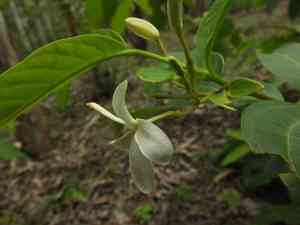
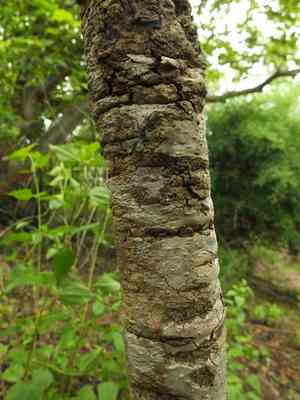
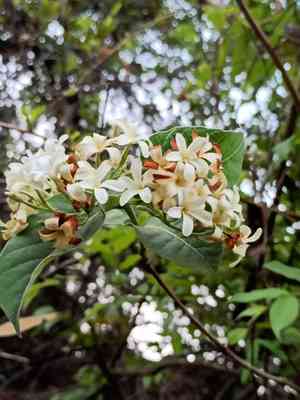
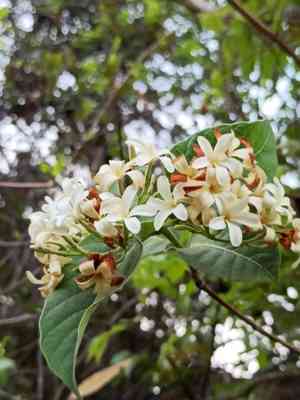
Holarrhena pubescens can be identified by its opposite, simple leaves that are elliptic to oblong-lanceolate with a pubescent texture. Its flowers are small, white, and occur in cymes. The fruit is a pair of slender follicles containing numerous seeds with tufts of silky hairs.

Scientific Classification of Feverpod

Phylum
Vascular plants
Class
Dicotyledons
Order
Gentianales
Family
Dogbane
Genus
Holarrhena
Species
Feverpod

Planting and Growing of Feverpod

Care Difficulty
Moderate
Watering Schedule
Every 2 days
Sunlight Requirements
Full sun
Sunshine Duration
6-10 hours
Ideal Temperature
68-86℉
Soil Type
Potting Mix, Peat Mix
Soil pH
6.5-7.5
Fertilizer Type
Balanced
Pruning Season
Spring, Summer
Pruning Area
Branches, Leaves
Pruning Frequency
2 times a year
Repotting Season
Spring
Pot Type
Plastic, Ceramic

water icon How to Water Feverpod?

For Holarrhena pubescens, each watering should deliver approximately 500 ml of water. This amount is enough to moisten the soil thoroughly without causing it to become waterlogged. Ensure that water reaches several inches below the surface to reach the roots effectively.
What are the symptoms of an underwatered Feverpod?
What should I do if my Feverpod is not getting enough water?
What are the symptoms of an overwatered Feverpod?
How to save an overwatered Feverpod?

sunlight icon What Are the Sunlight Requirements for Feverpod?

Sunlight Requirements: Full sun, Partial sun
Duration of light: 4 to 6 hours
Partial to full sun exposure provides ideal conditions for robust growth and vibrant health. This lighting ensures efficient photosynthesis, which supports healthy foliage and abundant flowering.
How much sunlight does Holarrhena pubescens need?
How to achieve ideal lighting conditions?
Benefits of ideal lighting for Holarrhena pubescens
More About Sunlight Requirements Techniques

temperature icon What Is the Ideal Temperature Range for Feverpod?

Ideal Temperature: 68 ~ 86℉
The ideal temperature range for Holarrhena pubescens is between 68°F and 86°F. This range supports optimal physiological processes and growth development. Maintaining these temperatures ensures that the plant can photosynthesize effectively and transport nutrients throughout its structure with minimal stress.

soil icon What Soil is Best for Feverpod?

Soil type: Loam, Sandy loam
Soil PH: 6.5 ~ 7.5
Holarrhena pubescens thrives in well-drained soil, which prevents waterlogging and root rot. Ensuring proper drainage enhances root health and encourages robust growth and flower production. This plant prefers soil of moderate fertility, which provides essential nutrients without excessive fertilization. Balancing nutrient supply supports steady growth and reduces the risk of nutrient burn. A soil that retains moisture yet remains aerated is optimal, as it prevents drought stress while allowing roots to breathe. This balance supports healthy plant development and vitality.

fertilize icon How to Fertilize Feverpod?

Fertilizer type: Balanced
For Holarrhena pubescens, use a balanced fertilizer with equal parts nitrogen, phosphorus, and potassium. During the growing season, apply about 10-15 grams of fertilizer per square meter to provide sufficient nutrients for healthy growth.

prune icon How to Prune Feverpod?

Pruning Time: Spring, Summer, Autumn
Begin by identifying dead, diseased, or damaged branches. These are typically brown and brittle compared to healthy parts of the plant. Removing these sections improves the plant’s appearance and channels energy to healthier growth. Make cuts just above a node or a set of leaves. Doing so encourages new growth in the right direction and minimizes unsightly stubs. Always cut at a 45-degree angle to allow water runoff, which reduces rot risk. Focus on enhancing the plant’s shape while maintaining good airflow through strategic thinning of crowded areas. A well-structured plant is more resilient and less prone to fungal infections and pest invasions. More About Pruning Techniques

propagate icon How to Propagate Feverpod plant?

Propagate Time: Spring, Early summer
1
Collect seeds from mature Holarrhena pubescens plants. Clean them thoroughly under water to remove any residue. Allow them to dry in a shaded area to prevent fungal growth.
2
Choose healthy stems from the parent plant and cut 4-6 inches lengths just below a node. Remove the lower leaves to reduce water loss and promote rooting.
3
Place the seeds or cuttings into well-drained soil mix. Water them lightly, ensuring the soil is moist but not saturated. Keep the soil consistently moist until the seeds germinate or until the cuttings develop roots.

repot icon How to Repot Feverpod plant?

Repotting frequency: Every 2-3 years
1
The ideal time to repot Holarrhena pubescens is when you notice the roots starting to circle around the pot's base or come out through drainage holes. It's also a signal when the plant shows signs of stunted growth despite good care. Typically, this occurs every couple of years when the roots outgrow their current container. Spring or early summer is usually the best time for repotting as the plant enters a phase of active growth.
2
Select a pot that is one or two sizes larger than the current one, providing ample space for future root growth. The material should allow for sufficient drainage, such as terracotta or plastic with drain holes. A well-chosen pot prevents waterlogging, which is crucial for preventing root rot, and offers stability to the growing plant.
3
Opt for a well-draining, organic potting mix to provide the necessary nutrients and aeration for Holarrhena pubescens. The right blend often includes a mix of peat, perlite, and some sand for increased drainage. This soil concoction helps maintain a balanced moisture level essential for the plant's health and vigor.

ForwardPlant - Identify plants with a snap

Find the best spots for them to optimize their health, simply using your phone.

Try for Free