How to Prune Scorpion senna?
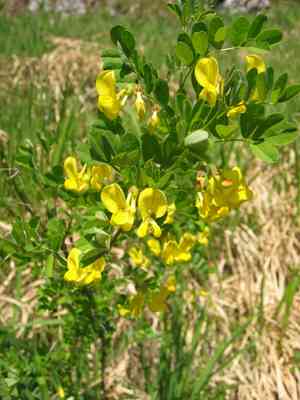
This deciduous shrub, recognized for its gracefully curved branches and blossoms resembling peas, thrives with post-bloom trimming to preserve its form and foster vigor. Conduct pruning in late spring or early summer, reducing flowering stalks by one-third and eliminating any lifeless or compromised wood. Reducing the density of older branches can additionally stimulate fresh development. Adhering to seasonal schedules guarantees a plentiful floral display for the subsequent year, given that scorpion senna flowers on mature wood.
What Are the Benefits of Pruning Scorpion Senna?
What Are the Benefits of Pruning Scorpion Senna?
Trimming scorpion senna encourages more abundant flowering and eliminates diseased or pest-ridden material, thereby decreasing the likelihood of further infestation or infection, ensuring scorpion senna's robust growth and visual appeal.
What Is the Best Time for Pruning Scorpion Senna?
What Is the Best Time for Pruning Scorpion Senna?
Late spring and early summer are ideal for pruning scorpion senna, as this occurs right after its blooming period. Pruning at this time allows gardeners to shape the plant and manage its size without sacrificing the next season's blossoms. Trimming scorpion senna after it flowers ensures its growth cycle remains undisturbed and that the plant has sufficient time to recover before colder months. Furthermore, removing spent flowers and unwanted growth contributes to the plant's overall health, promotes new development, and enhances its flowering potential. Pruning in late spring or early summer also minimizes the risk of disease and pest issues, which are often more prevalent in wetter, cooler seasons.
What Tools Do I Need to Prune Scorpion Senna?
Hand Pruners
Perfect for cutting small stems and branches on scorpion senna, hand pruners enable precise cuts without causing unnecessary harm to the plant. They should be sharp and fit comfortably in your hand for clean cuts.
Lopping Shears
For larger branches of scorpion senna that hand pruners cannot manage, lopping shears with extended handles provide the necessary leverage to make bigger cuts cleanly and efficiently.
Pruning Saw
If scorpion senna has mature, thicker branches, a pruning saw might be required. A saw can handle branches that loppers cannot. Choose a sharp saw with teeth suitable for green wood.
Garden Scissors
These are useful for snipping off thinner or softer growth and for detailed shaping. Garden scissors can be used for deadheading or trimming smaller foliage on scorpion senna.
Pruning Gloves
Protective gloves are crucial to guard against thorns and sharp branches while pruning scorpion senna, ensuring safety during the task.
How to Prune Scorpion Senna
Clean tools
Before beginning, ensure all pruning tools are clean and sharp to prevent the spread of disease and to make clean cuts from which scorpion senna can heal more effectively.
Remove diseased parts
Identify and carefully cut away any diseased leaves and branches from scorpion senna, making sure not to spread any potential infections to healthy parts.
Trim dead material
Prune all dead branches, withered leaves, and faded flowers from scorpion senna to help direct the plant's energy towards producing new, healthy growth.
Shape plant
Remove excessive growth branches to maintain the desired shape of scorpion senna and improve light penetration and airflow, which will benefit the plant's overall health.
Cleanup
Clean up all removed material from around scorpion senna to prevent any diseases from spreading and to keep the area tidy.
Common Pruning Mistakes with Scorpion Senna
Over-pruning
Gardeners often make the error of pruning too much of scorpion senna, which can severely damage the plant. Removing too many branches can reduce flowering, as scorpion senna blooms on old wood.
Improper cut placement
Cutting too far from or too close to the bud can hinder the healing process or cause dieback, respectively. An angled cut about 1/4 inch above a bud facing the desired growth direction is ideal.
Using blunt tools
Dull pruning equipment can crush stems and branches, leading to unnecessary damage. Clean cuts are essential for quick healing.
Neglecting hygiene
Failing to clean tools before and after pruning can spread diseases. Disinfecting shears prevents transferring pathogens from infected plants to healthy ones.
Common Pruning Tips for Scorpion Senna
Selective thinning
Instead of cutting back all growth, selectively thin out older branches to improve light penetration and air circulation, which are vital for scorpion senna's health and flowering.
Maintenance pruning
Regularly remove dead, diseased, or damaged wood to keep scorpion senna healthy. This proactive approach can reduce the need for more drastic pruning later.
Cut at an angle
Make cuts at a 45-degree angle to prevent water accumulation on the cut surface, which can lead to rot and disease.
Follow the branching structure
Understand scorpion senna's natural growth habit before pruning. Retain its graceful arching form by following the branching structure and making appropriate cuts.



