The Scorpion senna Plant Advantage: Maximizing Home and Office Appeal and Wellness
1
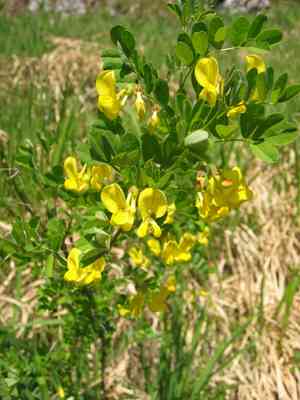
Scorpion senna is recognized for its attractive yellow blooms that draw in beneficial insects.
2
This species excels at preventing soil loss because of its robust root structure.
3
It flourishes even in infertile soil, allowing it to be cultivated in diverse settings.
Why is Scorpion senna a Great Addition to Your Garden?
Attractive Appearance
Scorpion senna showcases vibrant yellow blossoms that are not only visually pleasing but also draw in bees, butterflies, and other vital pollinators to your outdoor space. This makes it an excellent selection for anyone aiming to cultivate a lively and diverse garden environment.
Low Maintenance
A primary advantage of Scorpion senna is its minimal care requirements. It can thrive in various soil types, even those with limited nutrients. Furthermore, it's tolerant of dry conditions, meaning you won't need to worry about frequent watering, making it an ideal plant for busy gardeners.
How Does Scorpion senna Contribute to Soil Health?
Erosion Control
Scorpion senna is particularly effective at preventing soil erosion due to its extensive root system. The roots help to bind the soil together, stopping it from being washed away during heavy rainfall. This makes it an excellent choice for stabilizing slopes and other areas prone to erosion.
Soil Enrichment
Scorpion senna can fix nitrogen in the soil, which boosts its fertility. Nitrogen fixation is the process by which the plant converts atmospheric nitrogen into a form that other plants can utilize. This not only benefits Scorpion senna itself but also enhances the overall health of nearby plants.
What Ecological Benefits Can Scorpion senna Offer?
Habitat for Wildlife
The dense foliage of Scorpion senna offers excellent refuge for various wildlife species, including birds and small mammals. Its flowers and seeds also serve as a food source, contributing to the biodiversity of your garden.
Pollinator Support
As previously mentioned, the bright yellow flowers of Scorpion senna attract essential pollinators like bees and butterflies. Supporting pollinators is crucial for the health of your garden and the wider ecosystem, making Scorpion senna a valuable addition for any environmentally conscious gardener.
Can Scorpion senna Be Used in Landscaping Projects?
Versatility in Design
Scorpion senna is incredibly adaptable in landscaping applications. It can be utilized as a standalone specimen plant, in mixed borders, or even as part of a hedge. Its appealing foliage and flowers add visual interest to any garden layout.
Complementary Planting
Thanks to its nitrogen-fixing capabilities, Scorpion senna can be planted alongside other plants to improve soil fertility. This makes it a great companion plant for a variety of other species, helping them to flourish while adding beauty to your garden.
How to Grow and Care for Scorpion senna Successfully?
Planting Tips
For optimal results, plant Scorpion senna in a location that receives full sun to partial shade. It prefers well-drained soil but can tolerate a range of soil conditions. Ensure it has ample space to grow, as it can spread out over time.
Ongoing Maintenance
Scorpion senna is a low-maintenance plant, but occasional trimming can help keep it looking its best. Remove any dead or damaged branches to encourage new growth. If you're growing it as part of a hedge, regular pruning will help maintain its shape.



