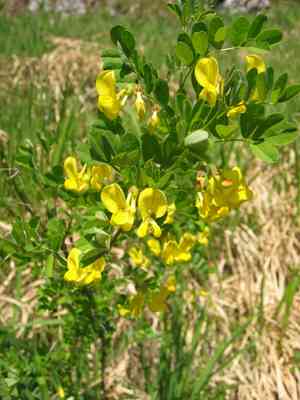
Scorpion senna (Hippocrepis emerus)
Also known as: Pale crown vetch
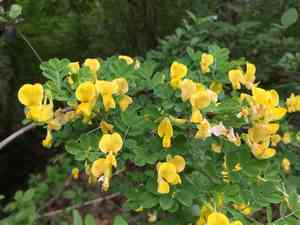
Scorpion senna, a bushy shrub, typically thrives on dry, sunny, rocky slopes and the edges of forests. Known scientifically as Coronilla emerus, it serves as a primary host for the burnet moth (Zygaena ephialtes). In the spring, it blooms with mildly fragrant, bright yellow flowers.
In This Article
Attributes of Scorpion senna
Lifespan
Perennial
Plant Type
Shrub
Plant Height
2 m
Spread
2 m
Leaf Color
Green
Flower Size
2.5 cm
Flower Color
Yellow
Images of Scorpion senna
Quickly Identify Scorpion senna
1
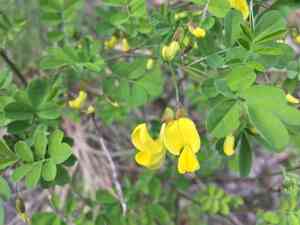
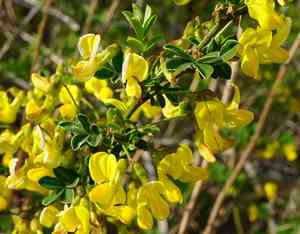
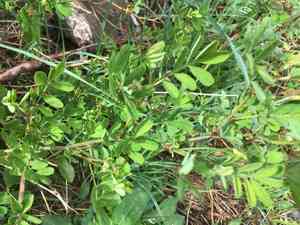
The plant can be identified by its long, arching branches, finely pinnate leaves, and bright yellow, pea-like flowers. The seed pods, which are curved and segmented, are key identifiers as they resemble a scorpion\'s tail.
Scientific Classification of Scorpion senna
Phylum
Vascular plants
Class
Dicotyledons
Order
Fabales
Family
Legume
Genus
hippocrepis
Species
Scorpion senna
Planting and Growing of Scorpion senna
Care Difficulty
Easy
Watering Schedule
Every 2 days
Sunlight Requirements
Full sun
Sunshine Duration
6-8 hours
Ideal Temperature
60-75℉
Soil Type
Potting Mix, Peat Mix
Soil pH
6.5-7.5
Fertilizer Type
Balanced
Pruning Season
Spring, Summer
Pruning Area
Branches, Leaves
Pruning Frequency
2 times a year
Repotting Season
Spring
Pot Type
Plastic, Ceramic
 How to Water Scorpion senna?
The amount of water for Hippocrepis emerus should be enough to moisten the entire root ball but not waterlogged. Typically, 100 ml is sufficient to penetrate the soil, ensuring it reaches the deeper roots without creating standing water, which the plant dislikes.
What are the symptoms of an underwatered Scorpion senna?
›
What should I do if my Scorpion senna is not getting enough water?
›
What are the symptoms of an overwatered Scorpion senna?
›
How to save an overwatered Scorpion senna?
›
 What Are the Sunlight Requirements for Scorpion senna?
Partial sun to full sun exposure benefits Hippocrepis emerus, fostering lush foliage and ensuring sustained vitality. Ideal lighting empowers robust photosynthesis, enhancing growth and flowering potential.
More About Sunlight Requirements Techniques→
What is the best lighting condition?
›
How can I achieve ideal lighting for this plant?
›
What benefits does ideal lighting offer?
›
 What Is the Ideal Temperature Range for Scorpion senna?
The ideal temperature range for Hippocrepis emerus is between 60°F and 75°F. This range ensures optimal metabolic processes and physiological functions, promoting healthy growth and flowering. Consistent temperatures within this range help prevent stress and support the plant's overall health and vitality.
 What Soil is Best for Scorpion senna?
Hippocrepis emerus thrives in nutrient-rich loam soil, which provides the essential minerals and nutrients this plant needs for vigorous growth and robust flowering. The nutrients in the soil help in promoting healthy leaf and root development. Good drainage is crucial for Hippocrepis emerus, as it prevents waterlogging and root rot. Loam soil with its balanced moisture-retentive yet draining properties is ideal. Ensuring the soil drains well encourages strong root growth. This plant particularly enjoys soils rich in lime and calcium. Calcareous soil provides an alkaline environment that matches the plant’s pH preferences, promoting optimal nutrient uptake and healthier growth.
 How to Fertilize Scorpion senna?
Hippocrepis emerus thrives with moderate fertilization. When using liquid fertilizer, apply at a rate of 10-20 ml per liter of water. For slow-release fertilizers, a dose of 30-40 grams per plant ensures steady growth and health without causing stress.
 How to Prune Scorpion senna?
Begin by pruning your Hippocrepis emerus to establish a neat, strong structure. Trim back any overgrown or unruly branches, allowing the plant to maintain a pleasing and manageable form. Inspect the plant for any dead or diseased branches. Carefully remove these by cutting them back to healthy tissue, which helps prevent the spread of disease and encourages healthy growth. Thinning out dense areas by selectively removing some branches can dramatically improve air circulation within the plant. This reduces the risk of fungal infections and allows light to penetrate the inner foliage.
More About Pruning Techniques→
 How to Propagate Scorpion senna plant?
1
Collect mature pods in early spring when they turn brown and begin to split. Ensure the seeds are dry and free of any disease before storing them in a cool, dry place until planting.
2
Select a healthy parent plant and cut a 4-6 inch stem segment with multiple nodes. Remove the lower leaves and dip the cut end in rooting hormone before planting.
3
For seeds, sow them in seed trays filled with a well-draining potting mix. For cuttings, plant them in a potting mix or sand. Both require consistent moisture and indirect sunlight.
 How to Repot Scorpion senna plant?
1
Hippocrepis emerus signals its need for repotting when you notice roots coming out of the pot's drainage holes or when growth appears stunted despite optimal care. It's usually best done during the active growing seasons of spring and summer for minimal stress on the plant.
2
Opt for a pot that is 1-2 inches larger in diameter than the current one. Picking a slightly larger pot ensures adequate space for root expansion, prevents waterlogging, and contributes to healthier growth. Make sure the pot has good drainage holes to prevent root rot.
3
Choose well-drained loamy soil enriched with organic matter to facilitate nutrient uptake while ensuring swift drainage. The right soil mix prevents root diseases and supports vigorous growth by providing an optimal environment for root development.
Learn More About Scorpion senna Diseases
Anthracnose
Bacterial Leaf Spot
Bacterial Wilt
Black Spot
Chemical Injury
Crown Gall
Cyst Nematode
Damping-off
Downy Mildew
Drought Stress
Fusarium Wilt
Gray Mold
Leaf Curl
Leaf Spot
Mosaic
Nutrient Deficiency
Nutrient Toxicity
Powdery Mildew
Root Rot
Root-knot Nematode
Rusts
Sooty Mold
Spider Mites
Temperature Stress
Thrips Damage
White Mold



