How to Prune Queen-devil?
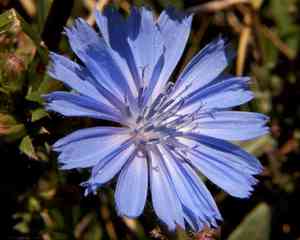
A resilient herbaceous plant possessing unique characteristics, queen-devil flourishes with limited trimming, primarily to eliminate faded blossoms and manage its expansion. The most suitable periods for pruning are spring or summer, with the essential practice being the swift removal of flower stalks post-bloom to stimulate leaf development and inhibit self-propagation. Trimming not only preserves the plant's form but also fosters more robust and energetic development. Advantages encompass a neater look and the avoidance of undesirable spreading within cultivated areas.
What Are the Benefits of Pruning Queen-devil?
What Are the Benefits of Pruning Queen-devil?
Trimming queen-devil promotes robust development and helps maintain its desired form. Regular cutting is essential for managing queen-devil's spread and ensuring peak vitality.
What Is the Best Time for Pruning Queen-devil?
What Is the Best Time for Pruning Queen-devil?
Pruning queen-devil in Spring coincides with the start of its active growth, allowing the plant to recover from cuts and stimulate new, healthy growth. This timing enables gardeners to remove any damaged or winter-worn foliage from the previous season. Summer trimming, after the initial Spring growth spurt, helps maintain queen-devil's preferred shape and size, prevents excessive growth that can lead to health issues, and allows for the removal of faded blooms. Furthermore, Summer pruning doesn't disrupt the flowering cycle, as queen-devil typically flowers then, ensuring the plant directs energy to healthy shoots instead of unproductive parts.
What Tools Do I Need to Prune Queen-devil?
Hand Pruners
Queen-devil is a perennial herb that needs old or damaged leaves removed to encourage healthy growth; hand pruners are precise and easy to use, making it simple to target individual stems.
Gardening Gloves
While pruning queen-devil, gloves will shield the gardener's hands from cuts and irritations that can occur when handling the plant and using sharp implements.
Pruning Saw
For older queen-devil plants that may have developed woody stems, a pruning saw can be utilized to cut through thicker growth that hand pruners cannot manage.
Garden Shears
When shaping queen-devil or removing multiple slender stems simultaneously, garden shears can be an effective tool for making quick, clean cuts across a wider area.
How to Prune Queen-devil
Disinfect tools
Before beginning, ensure all pruning implements are properly sanitized to prevent the spread of disease to queen-devil.
Remove diseased leaves
Carefully remove any diseased foliage from queen-devil using clean scissors or pruning shears. Be sure to cut at the base of the leaf stem, avoiding damage to healthy surrounding tissues.
Remove withered leaves
Identify and trim away all dried-up leaves from queen-devil to encourage healthy growth and air circulation. Snip at the point where the leaf stem meets the main plant structure.
Prune diseased stems
Examine queen-devil for diseased stems and cut them back to a healthy section using a sterile, sharp pruning saw or shears. Make a clean cut at a 45-degree angle to facilitate water run-off and healing.
Dispose of removed material
Dispose of all removed diseased and withered parts of queen-devil safely away from healthy plants to avoid contamination. Do not compost as this may spread pathogens.
Common Pruning Mistakes with Queen-devil
Over-pruning
When trimming queen-devil, a frequent error is removing too much of the plant at once. This can stress the plant, reducing its ability to flourish.
Too vigorous cuts
Some gardeners might make cuts that are excessively aggressive or deep, harming the plant's core structure, which can impact its overall health and development.
Removing healthy growth
Mistakenly cutting away healthy growth when pruning queen-devil can decrease the plant's foliage density and flowering potential.
Ignoring diseased or dead material
Neglecting to remove diseased, dead, or damaged material from queen-devil can attract pests and disease, potentially affecting the plant's well-being.
Pruning without sterilizing tools
Using tools that haven't been cleaned and sterilized can spread disease to queen-devil from other plants.
Improper cut placement
Incorrectly placing cuts too far from a bud or node, or too close to it, can result in poor growth or injury to queen-devil.
Common Pruning Tips for Queen-devil
Clean cuts
Ensure you use sharp, sterilized pruning shears to make clean cuts on queen-devil, which will help prevent disease transmission and promote better healing.
Right location
When cutting back queen-devil, choose a spot just above a leaf node or bud, ensuring the distance is not too close to harm the growth point, nor too far to leave a stub.
Deadheading
For queen-devil, remove spent flowers by deadheading to encourage further blooming throughout its growing period.
Thin selectively
Thin out overcrowded areas of queen-devil to improve air circulation, which can help prevent the onset of fungal diseases and encourage stronger, healthier growth.
Shape the plant
Maintain the natural form of queen-devil when pruning. This means avoiding the creation of an unnatural shape that may not support the plant's growth habit.
Health check
Consistently inspect queen-devil for unhealthy portions during the growing season. Remove any parts that show signs of disease or infestation to keep the plant vigorous and well-groomed.



