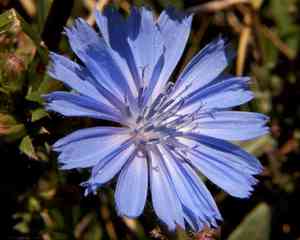
Queen-devil (Hieracium gronovii)
Also known as: Gronovius's hawkweed
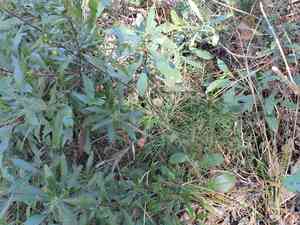
Hieracium gronovii, also known as Gronovius's Hawkweed, can grow up to 79 cm in height. This herb features leaves primarily along the stem, not forming a basal rosette. The leaves can reach up to 9 cm in length and have smooth edges. Each plant can produce between 5 and 50 flower heads, arranged in an extended cluster. Each flower head contains 12-20 yellow ray florets and lacks disc florets.
In This Article
Attributes of Queen-devil
Lifespan
Perennial
Plant Type
Herb
Plant Height
80 cm
Spread
N/A
Leaf Color
Green
Flower Size
1.3 cm to 1.9 cm
Flower Color
Yellow
Images of Queen-devil
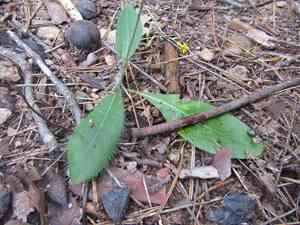
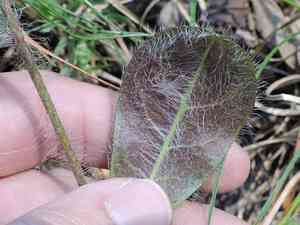
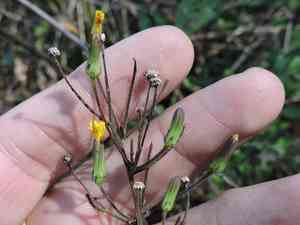
Quickly Identify Queen-devil
1
To identify Hieracium gronovii, look for a plant with a hairy stem and leaves. The leaves are lance-shaped and form a rosette at the base. The yellow flowers are dandelion-like and appear in clusters.
Scientific Classification of Queen-devil
Phylum
Vascular plants
Class
Dicotyledons
Order
Asterales
Family
Daisy
Genus
Hawkweeds
Species
Queen-devil
Planting and Growing of Queen-devil
Care Difficulty
Easy
Watering Schedule
Every 3 days
Sunlight Requirements
Partial sun
Sunshine Duration
6-10 hours
Ideal Temperature
60-75℉
Soil Type
Potting Mix, Peat Mix
Soil pH
6.5-7.5
Fertilizer Type
Balanced
Pruning Season
Spring, Summer
Pruning Area
Branches, Leaves
Pruning Frequency
2 times a year
Repotting Season
Spring
Pot Type
Plastic, Ceramic
 How to Water Queen-devil?
Hieracium gronovii requires a moderate amount of water. Aim to soak the soil until it's moist, but not soggy, around 200 ml per watering. The soil needs to dry out slightly between waterings to prevent root rot and other moisture-related issues.
What are the symptoms of an underwatered Queen-devil?
›
What should I do if my Queen-devil is not getting enough water?
›
What are the symptoms of an overwatered Queen-devil?
›
How to save an overwatered Queen-devil?
›
 What Are the Sunlight Requirements for Queen-devil?
Partial sun to full sun allows Hieracium gronovii to have the best growth, supporting robust and vibrant foliage. Ideal lighting enhances its photosynthetic efficiency, helping it thrive and resist stress more effectively.
Why is light important for Hieracium gronovii?
›
How can I ensure ideal light conditions for Hieracium gronovii?
›
What happens when Hieracium gronovii gets ideal light?
›
 What Is the Ideal Temperature Range for Queen-devil?
The ideal temperature range for Hieracium gronovii is between 60°F to 75°F. This range provides the optimal conditions for growth, as it mimics the plant's natural habitat. Ensuring temperatures within this range will support healthy photosynthesis and nutrient uptake, promoting vibrant and robust plant growth.
 What Soil is Best for Queen-devil?
Hieracium gronovii thrives best in well-drained soils, which help prevent waterlogging and root rot. These conditions ensure the plant maintains healthy respiration and nutrient uptake, essential for its growth. This plant prefers moderately fertile soils, which provide just the right amount of nutrients without overwhelming its natural growth pattern. This balance supports vigorous foliage and bloom production. The importance of soil aeration cannot be overstated as it allows plant roots to access oxygen. This is critical for root health and nutrient absorption in Hieracium gronovii, promoting a robust plant structure.
 How to Fertilize Queen-devil?
For Hieracium gronovii, an appropriate fertilizer amount is crucial for optimal growth. Use a diluted liquid fertilizer at one-quarter strength for liquid applications. For granular fertilizers, 2-3 tablespoons per plant will suffice. Always ensure not to over-fertilize, as this can harm the plant more than help.
 How to Prune Queen-devil?
Begin by sterilizing your pruning shears with rubbing alcohol to prevent the spread of disease. Identify any dead or damaged stems and remove them first to improve the plant’s appearance and health. Look for any overly dense sections, and thin them out by cutting back some of the older stems to promote air circulation and new growth. Always make your cuts just above a leaf node to encourage the plant to produce bushier growth. Deadheading is crucial for prolonging the blooming period of Hieracium gronovii. Once flowers fade, cut them back to a lateral bud below the spent blooms. This directs the plant’s energy away from seed production and towards producing new flowers and foliage. It keeps the plant tidy and prevents it from self-seeding aggressively in your garden.
More About Pruning Techniques→
 How to Propagate Queen-devil plant?
1
To propagate by seed, fill the seed tray with a mix of potting soil and compost. Sow the seeds thinly on the surface and gently press them down. Water lightly, and cover with a clear plastic cover to maintain humidity.
2
Select a healthy plant and use pruning shears to take a cutting of about 4-6 inches long. Remove lower leaves, leaving a few at the top, and dip the cut end in rooting hormone to encourage root development.
3
To propagate by division, carefully dig up the plant and separate the clumps with your hands or a sharp knife. Ensure each clump has roots attached, and replant immediately in the desired location, watering thoroughly.
 How to Repot Queen-devil plant?
1
Hieracium gronovii should be repotted when the roots visibly outgrow the drainage holes or form a tangled mass at the base of the pot. Another sign is when the soil becomes hard and compacted, inhibiting water absorption. Early spring or summer is ideal for repotting, as this is when the plant's growth phase begins, allowing it to recover quickly.
2
Select a pot that is just one size larger than the current one to avoid excessive soil that can retain water and lead to root rot. Ideally, the pot should be made of breathable material like terracotta to allow excess moisture to evaporate, preventing fungal growth. Ensure the new pot has proper drainage holes to facilitate water flow and prevent waterlogging.
3
The perfect soil mix for Hieracium gronovii should ensure excellent drainage while retaining enough moisture to support root health. A sandy, well-draining potting mix with some organic compost is ideal. This mix replicates the plant’s natural habitat and allows roots to breathe, thus preventing root rot and encouraging robust growth.
Learn More About Queen-devil Diseases
Anthracnose
Bacterial Leaf Spot
Bacterial Soft Rot
Bacterial Wilt
Crown Gall
Cyst Nematode
Damping-off
Downy Mildew
Drought Stress
Fusarium Wilt
Gray Mold
Leaf Curl
Leaf Spot
Mosaic
Nutrient Deficiency
Nutrient Toxicity
Powdery Mildew
Root Rot
Root-knot Nematode
Rusts
Sooty Mold
Spider Mites
Temperature Stress
Thrips Damage
White Mold



